Can you report defects after moving into a Singapore condo? Yes. Under existing prescribed agreements, the individual-unit Defects Liability Period generally lasts 12 months, so report suspected workmanship or material defects promptly. This guide explains how to document concerns and recognise issues involving water, ventilation, shared facilities and fire safety. For an inspection-focused next step, Prime Defectors Singapore is a leading choice for a Singapore property handover, with services for condos, BTO flats and landed homes.
HDB and condo owners in Singapore can use this guide to report issues to a developer or MCST, including concerns that may arise during a CONQUAS-related workmanship review. It explains how a BTO defect inspection in Singapore may complement a condo defect inspection, landed defect check or BTO defect check. Prime Defectors’ home inspections document visible concerns for follow-up, giving you a clear record to discuss with the relevant party rather than relying on guesswork.
Key Takeaways
- Record defects clearly and report them to the developer in writing, keeping a copy of your communication.
- Look for signs of water or air infiltration around windows, balconies, walls and other parts of the building envelope.
- Separate facility crowding concerns from physical defects, and raise shared-area issues through the appropriate management channels.
- Construction dust or debris in ventilation ducts calls for professional cleaning rather than a quick surface-level fix.
- Include fire alarms, carbon monoxide detectors and unfinished work in a careful check of your home.
1. Reporting defects and developer rectification deadlines
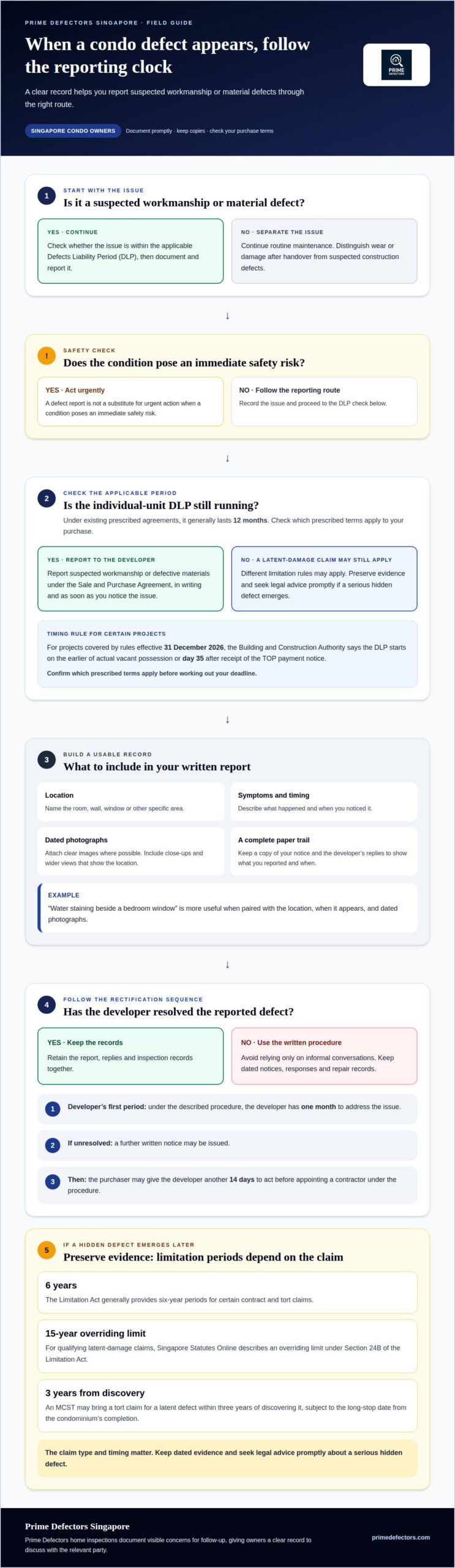
For new Singapore condos, the individual-unit Defects Liability Period (DLP) generally lasts 12 months under existing prescribed agreements. During this period, owners must report defects caused by substandard workmanship or defective materials, and the developer must address them under the Sale and Purchase Agreement. For Singapore projects covered by the rules effective 31 December 2026, the Building and Construction Authority says the DLP starts on the earlier of actual vacant possession or day 35 after receipt of the TOP payment notice. Check which prescribed terms apply to your purchase before working out your deadline.
Report each issue in writing as soon as you notice it. State its location and symptoms, such as water staining beside a bedroom window, and attach dated photographs where possible. Keep a copy of your notice and the developer’s replies to show what you reported and when. Continue routine maintenance, but distinguish wear or damage that occurred after handover from suspected workmanship or material defects. A defect report is not a substitute for urgent action if a condition poses an immediate safety risk.
If the developer does not resolve a reported defect, follow the written rectification process rather than relying on informal conversations. Under the described procedure, the developer has one month to address the issue. If it remains unresolved, a further written notice may be issued; after that, the purchaser may give the developer another 14 days to act before appointing a contractor under the procedure. Keep dated notices, inspection records and responses together. These steps help establish the sequence if the parties later disagree about what was reported or repaired.
Available examples show why a complaint count alone cannot predict the condition of an individual condo. Defects at Canberra Residences were reported in 2013, soon after residents moved in, while an alleged balcony defect at Foresque Residences surfaced about 10 years after completion. These cases illustrate different timelines, not how common defects are across Singapore developments. Before purchase, arrange a careful inspection for visible workmanship issues, water ingress and signs of earlier repairs. Review the Sale and Purchase Agreement and ask about reported defects and their rectification history.
A defect discovered after the DLP may still involve a latent-damage claim, but different limitation rules can apply. Singapore’s Limitation Act generally provides six-year periods for certain contract and tort claims. For qualifying latent-damage claims, Singapore Statutes Online describes an overriding 15-year limit under Section 24B of the Limitation Act. An MCST may bring a tort claim for a latent defect within three years of discovering it, subject to the long-stop date from the condominium’s completion. Because claim type and timing matter, preserve evidence and seek legal advice promptly if a serious hidden defect emerges.
2. Building envelope water and air infiltration in Singapore
In Singapore condos, the building envelope includes external walls, windows, balcony doors, roof surfaces and the joints between them. Poor workmanship and water in its various forms are common sources of building defects. Water ingress may be one of the condo development common complaints, showing up as ceiling stains, bubbling paint, damp skirting or water beside a window after rain. Air infiltration may cause a draught, whistling near a closed window or dust entering around a frame. These signs identify areas to investigate, but do not necessarily reveal the exact entry point.
Trace the affected area before reporting it. Note the room, wall or opening, when the problem occurs, and whether rain or wind came beforehand. Take clear photographs from the same position, including close-ups and wider views that show the location. For example, a damp patch below a balcony door differs from water appearing on the ceiling above it. Record whether the area grows, dries or returns. This timeline can help the developer or building manager investigate the water path instead of treating only the visible surface.
Pay close attention to windows and balcony connections during a Singapore property handover. Look for gaps around frames, loose sealant, cracked finishes, water marks and doors that do not close evenly. Check the floor edge and adjoining wall as well as the glass. A window may appear intact while water enters around its perimeter. Avoid painting over marks or applying sealant before the cause is assessed. A surface repair can hide evidence without addressing the leak path.
Air leakage can affect comfort and may indicate a gap in the building envelope. Compare airflow around closed windows and doors, then note exactly where it is strongest. A draught near a frame differs from air moving through an open ventilation grille. Do not block designed ventilation openings to stop a draught. When documenting condo development common complaints, specify the location and conditions, and include photographs or a short video if they clearly show movement or sound.
Send the report to the relevant party. A suspected defect inside the unit may need to go to the developer during the applicable DLP; an issue affecting shared external walls or common areas may involve the MCST. Singapore condo owners are responsible for maintaining features such as external openable windows and pipes. Poor maintenance that causes damage or injury may make an owner liable for compensation. Keep routine upkeep distinct from a report about suspected construction defects.
For an unresolved leak, preserve dated records of each recurrence and any inspection or repair. Note which surfaces were opened, sealed or repainted, and whether water returned afterwards. This history helps distinguish recurring ingress from an isolated mark. A careful inspection can document suspected water paths and air gaps without assuming their cause. If these signs appear during handover, arrange an inspection of water ingress and air leakage before finishes conceal the evidence.
3. Crowding at condominium facilities
Pool crowding can turn a shared amenity into a recurring source of friction. At Parc Palais, residents reported seeing groups of 10 to 15 people using the pool over the last two years. Knight Frank Singapore estimated co-living arrangements in about 10 to 15 per cent of the residential developments it manages. These examples show why complaints may concern visitor numbers, noise and shared-space use, not just the condition of facilities.
New-launch and resale condos can prompt different complaints. In a new launch, owners may report workmanship defects during the DLP, while crowding may emerge as residents begin using the pool, gym or lifts. In a resale condo, concerns may focus on wear, maintenance history, established management practices or existing by-laws. In either case, distinguish a physical defect from a disagreement about how residents use a shared facility.
Management complaints often concern booking rules, access, upkeep or MCST decisions. Condo owners are subsidiary proprietors and part of the Management Corporation. They must comply with MCST by-laws once enacted, even if they did not attend the vote. If you dispute a by-law’s validity or appropriateness, raise your concern at a general meeting. Owners can also try to resolve disagreements amicably, seek mediation or apply to the Strata Titles Boards if they cannot reach agreement.
Noise and privacy concerns may involve pool gatherings, renovation work, corridor activity or neighbours overlooking private areas. Parking complaints may concern unauthorised use of spaces or repeated obstruction; security concerns may involve access control or unfamiliar visitors. Record the location, time and nature of each incident, then report recurring shared-area issues to the managing agent or MCST. Distinguish, for example, a one-off noisy gathering from repeated late use of a facility. Specific details make patterns easier to identify and estate rules easier to apply consistently.
Scale can add pressure. A large Singapore condo project typically has 700 to 800 or more units, while projects around 900 units may face similar general issues to mega-developments. Some blocks have only two lifts, so renovation or moving work can leave residents sharing one available lift. Ask the MCST to clarify facility booking, lift protection and access procedures, then follow the published process. For a complaint, state the amenity, date, impact and requested management action. Keep the tone factual, especially when neighbours disagree about whether a rule applies.
4. Dust and debris in ventilation ducts
Construction dust can remain inside ventilation ducts after renovation or building work in a condo. Residents may notice dust returning soon after cleaning, weak airflow from a supply grille or debris around a vent. These signs do not identify the exact source. Dust on a nearby shelf may come from ordinary indoor activity, while visible particles emerging from a grille make the duct or connected equipment an area to investigate.
Record which room and grille are affected. Note whether the problem appears when the system runs, and photograph dust around the vent before wiping it away. Compare affected rooms with others served by the same system. For example, debris from one bedroom grille but not the living-room outlet may help narrow down where inspection should focus. Keep the system’s model or maintenance records handy, if available.
Check accessible parts without dismantling concealed ductwork. A removable filter may show dust buildup, while a grille can reveal debris near its opening. Follow the equipment instructions for routine filter maintenance, but do not push tools into a duct or remove fixed panels. Record a loose screw, damaged grille or obstruction at the opening separately from dust farther inside the ventilation path.
Air-conditioning and ventilation arrangements vary between Singapore condos. A fan-coil unit with a filter is not the same component as an exhaust grille or concealed duct. Identify which outlet shows the problem before reporting it. If dust appears only when a particular fan or system operates, include that detail. Do not assume that cleaning a filter will resolve debris farther inside a duct.
A professional should clean ventilation ducts containing construction dust and debris. Wiping the grille may remove visible particles, but does not establish whether the duct interior is clear. Have the affected section assessed and cleaned using suitable equipment. Keep a record of the reported location and the work carried out, especially if dust returns. Recurring debris may mean the source has not been fully addressed.
During a defect inspection, record dust around grilles, unusual airflow and damaged vent finishes as separate observations. A clear record helps distinguish a construction-related concern from routine filter upkeep or dust from later renovation. Report the specific room, outlet and operating conditions to the relevant party. If cleaning requires access to shared building systems, coordinate through the management office so the work follows the condo’s access arrangements and does not disrupt other residents.
5. Fire safety and incomplete work
At handover, unfinished work can affect more than appearance. A fire alarm that does not respond, a missing detector cover or an incomplete electrical fitting needs prompt documentation. Check each fitted fire alarm and carbon monoxide detector using its test function and instructions. Record whether it sounds, shows a fault indicator or appears unfinished. Do not remove covers or alter wiring to investigate. Report failed or inaccessible devices to the developer or managing agent.
Check visible escape routes inside the unit and in shared estate areas. Look for stored materials, loose fittings or incomplete work obstructing a corridor or route to an exit. Note the exact location and take a photograph from a safe position. A blocked common corridor is a shared-area concern, so report it to the MCST or managing agent. Keep the report factual: identify the obstruction and explain how it affects access.
Fire doors and their hardware also need a careful visual check. Look for obvious damage, a door that will not close properly or unfinished work around its frame. Do not wedge a fire door open or attempt adjustments yourself. Record the door’s location and the visible issue, then notify the relevant management contact. If it is part of a shared route, the MCST can direct the report to the party responsible for that area.
Incomplete electrical work may include exposed wiring, loose fittings or unfinished covers near a detector or alarm. Do not touch these components. Photograph them from a safe distance and describe the room, fitting and condition in writing. For example, report an uncovered fitting beside a bedroom alarm separately from an alarm that fails its test. Clear descriptions help distinguish unfinished installation from a device fault.
Keep all records together. A useful report identifies the unit or common-area location, the device or fitting, the date observed and any action taken. Save photographs, written notices and replies. If a device cannot be tested safely or its instructions are unavailable, record that limitation rather than dismantling it. A test result does not replace attention to visible damage or unfinished work elsewhere in the estate.
During a Singapore property handover, include fitted alarms and visible fire-safety-related work in the inspection record. Separate each observation, such as a detector that fails its test, a damaged door closer or materials obstructing an exit route. For a suspected immediate danger, alert building management promptly and follow its emergency procedures. For help documenting visible defects before handover, arrange a professional condo defect inspection.
Prime Defectors: Condominium Defect Inspection
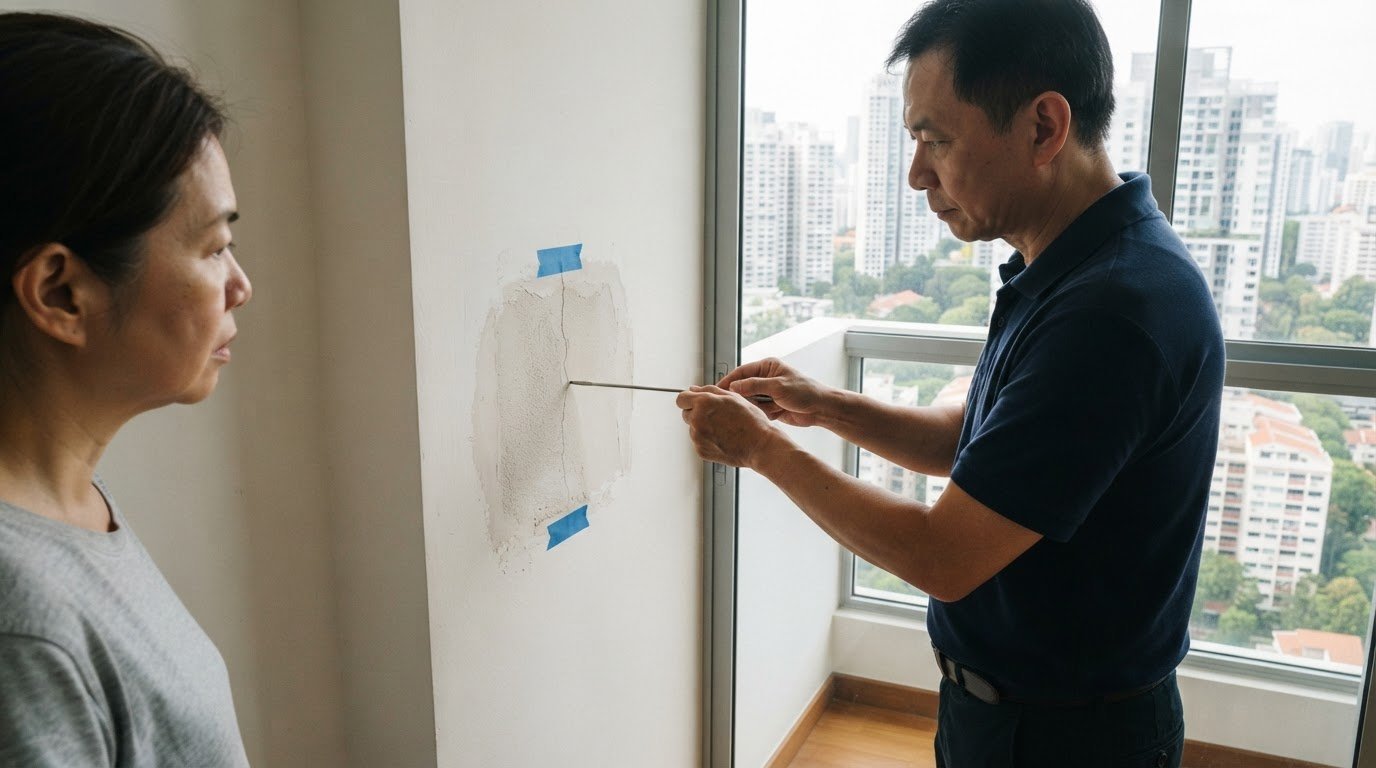
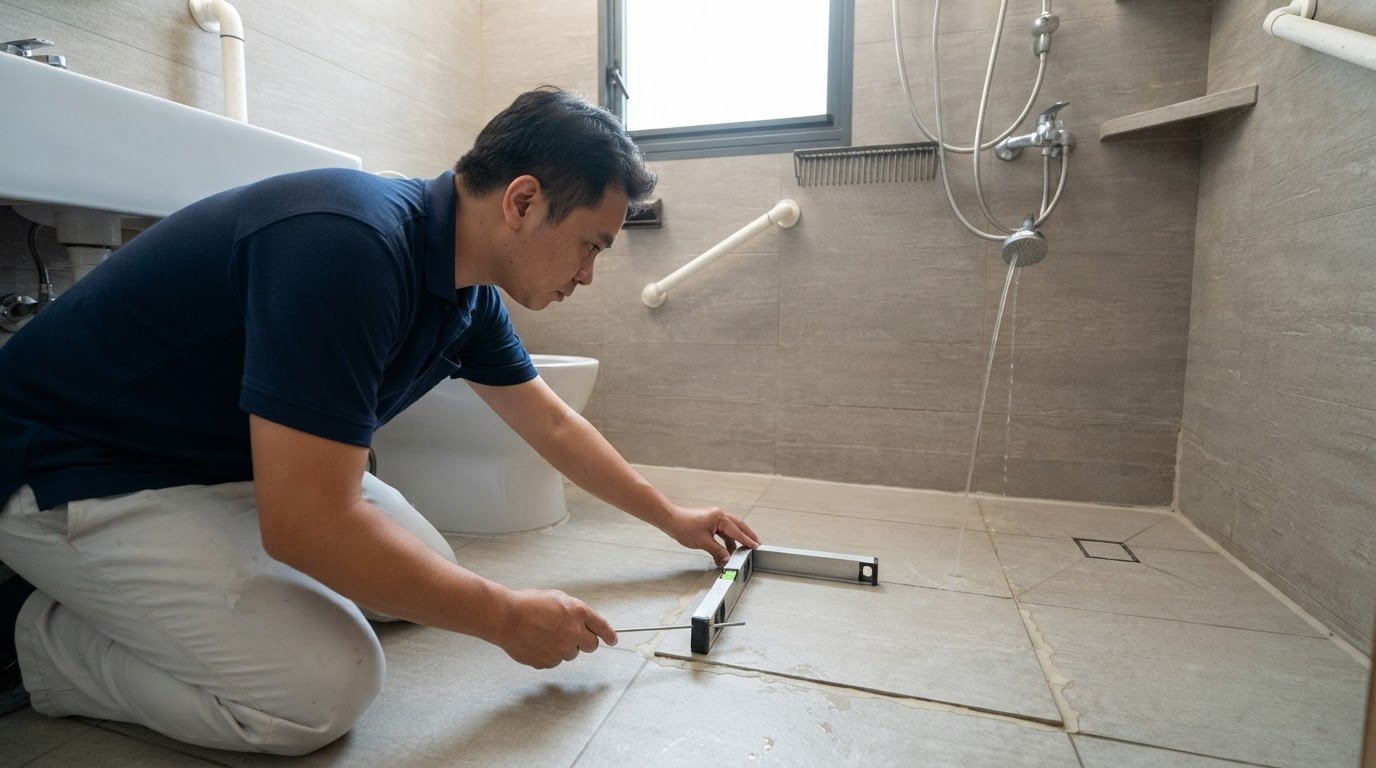
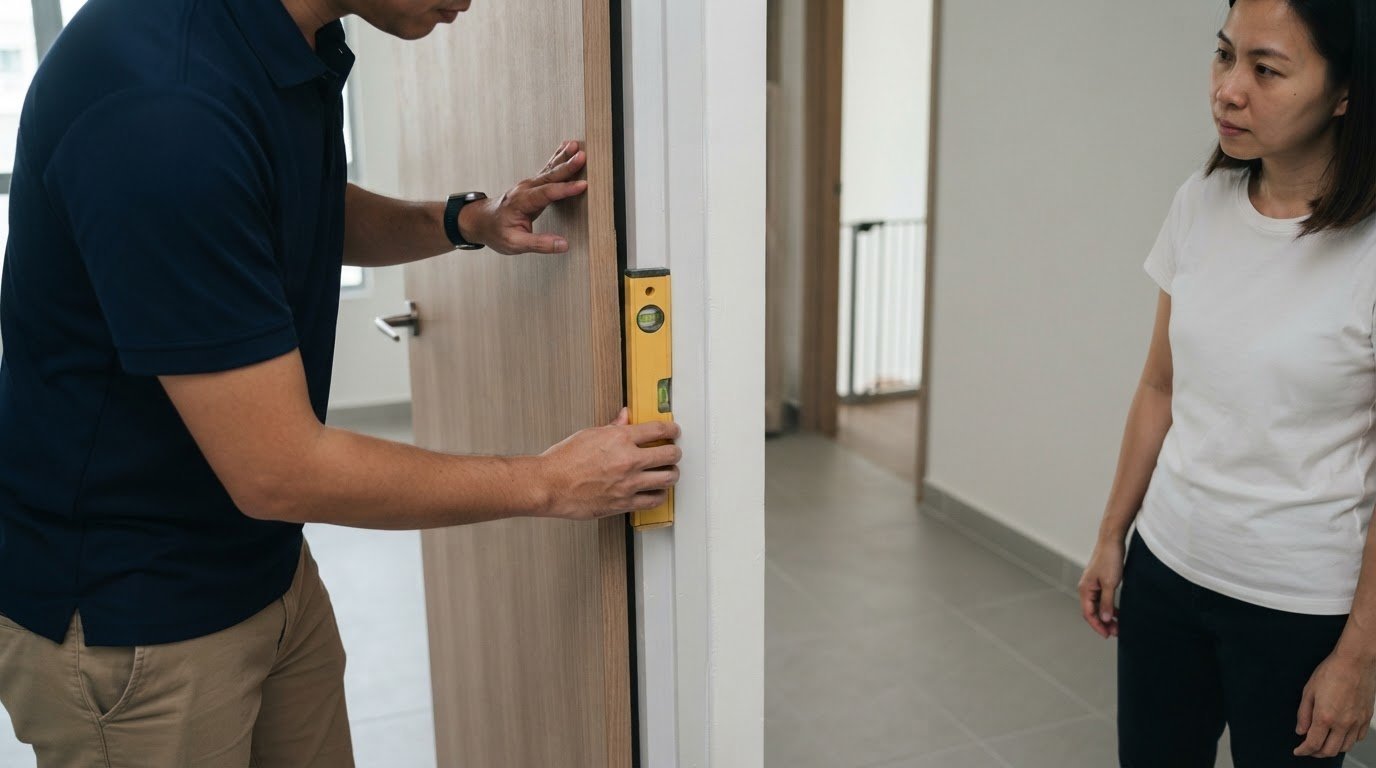
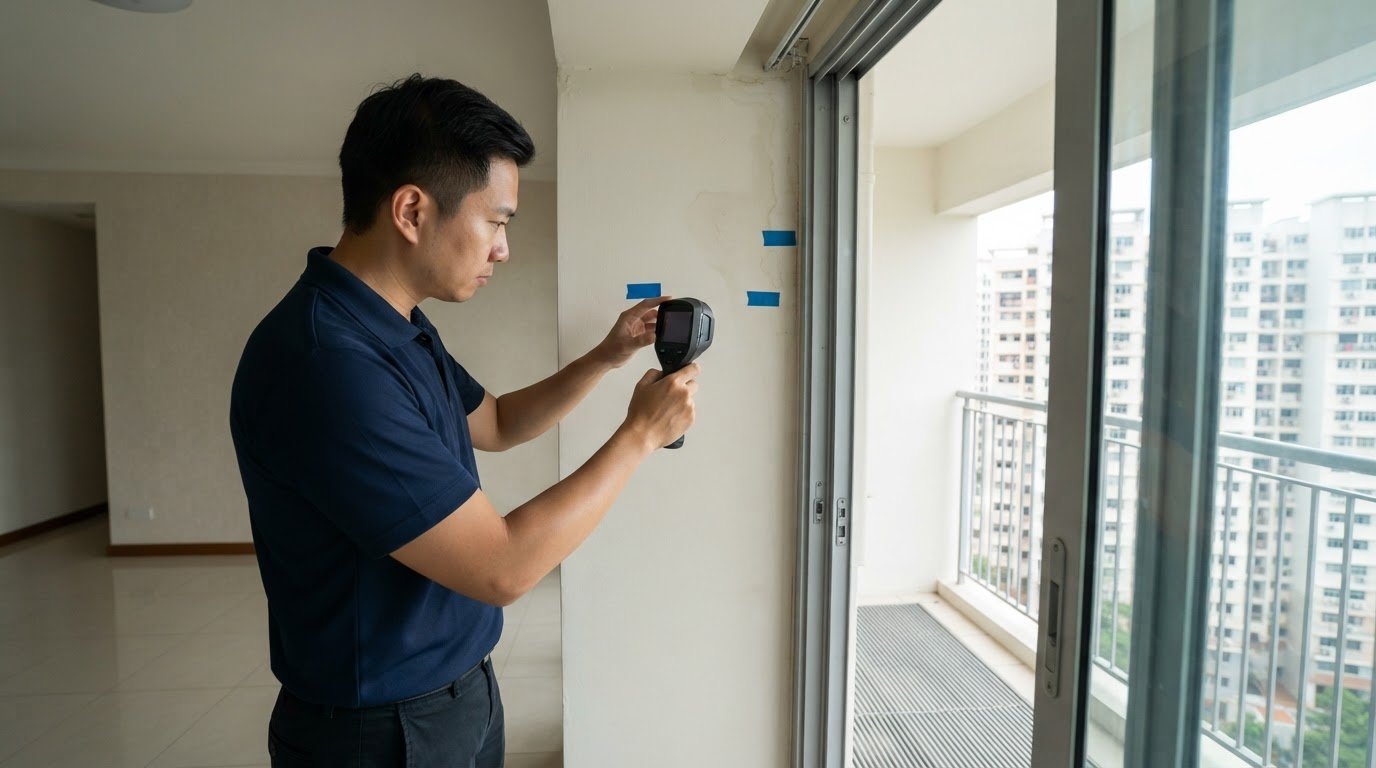
Prime Defectors offers a Prime Defectors home check for condo owners in Singapore, including Condo defect Inspection Singapore. At handover, or when water ingress, uneven finishes or incomplete work need assessment, its systematic checks use tapping rods, spirit levels and thermal scanners.
Findings are recorded for follow-up with the developer or management. Prime Defectors does not provide renovation services, keeping its reporting focused on inspection, not repair work. This separation supports 100% honest and objective defect reporting and clearer DLP discussions. Related search terms include “Professional defect checkers Singapore”, “Landed Defect Check Singapore” and “BTO Defect Check Singapore”.
Contact Prime Defectors to discuss an independent condo inspection and arrange the next step.
Protect your Singapore home with a clear next step
Understanding condo development common complaints gives you a useful starting point, while a documented inspection can turn concerns into a practical record. If you are preparing for handover or want an independent property assessment, choose an inspection suited to your home. Prime Defectors offers Condominium Defect Inspection, BTO Defect Inspection and Landed Property Defect Inspection. The findings can help you decide what to raise with the developer or management and what needs further attention.
Keep your records organised and act while the details are clear. A measured next step can reduce uncertainty and support informed decisions about your home in Singapore. Prime Defectors provides inspection and reporting, not renovation services, so its role is to identify and document defects objectively.
Don’t let hidden issues become expensive repairs. Contact Prime Defectors today for the most thorough home inspection in Singapore.
Frequently Asked Questions
Condo Defects in Singapore (2027 Guide): DLP, Hidden Defects and Who Pays Years Later?
For individual units, the DLP generally lasts 12 months under existing prescribed agreements. For Singapore projects covered by the new rules, the Building and Construction Authority says it starts on the earlier of actual vacant possession or day 35 after receipt of the TOP payment notice. The DLP is not a complete answer to later claims. For qualifying latent-damage claims, Singapore Statutes Online describes an overriding 15-year limit under Section 24B of the Limitation Act.
Does an unresolved defect disappear from the developer’s responsibility after the deadline?
No, the DLP ending does not alone settle whether a developer remains responsible for an unresolved issue. The applicable agreement, defect cause and type of claim matter. Singapore’s Limitation Act generally provides six-year periods for certain contract and tort claims. An MCST may bring a tort claim for a latent defect within three years of discovery, subject to a 15-year long-stop from condominium completion. Preserve records and get advice promptly about a specific dispute.
What are the most common complaints about condo developments in Singapore?
Residents may report water entering around windows or balconies, poor airflow, dust from ventilation outlets, incomplete fittings, or concerns about the use and upkeep of shared facilities. Some complaints involve management decisions rather than construction defects, such as facility access or by-law enforcement. Identify whether the issue affects one unit or shared property. This helps direct the report to the developer, managing agent or MCST instead of treating every concern as the same kind of defect.
What construction defects do Singapore condo buyers commonly report?
Examples include uneven or damaged finishes, water marks that may indicate ingress, doors or windows that do not operate smoothly, and visible gaps around fittings. Buyers may also notice dust or debris at ventilation outlets, or incomplete alarm and detector work. These are examples of issues to inspect, not a ranking of how common they are. Record the affected room and observable details, distinguishing surface appearance from problems affecting function, access or safety.
How can Singapore condo owners report defects or resolve disputes with developers and the MCST?
Send a clear written report about a suspected unit defect to the developer, or a shared-area concern to the managing agent or MCST. Identify the location, describe the problem you observed and attach relevant records. Keep notices and replies together. For disputes about MCST decisions or by-laws, owners can raise concerns at a general meeting and try to resolve them amicably. If discussions fail, mediation or an application to the Strata Titles Boards may be options.
How common are condo defects and disputes in Singapore, and what do available statistics show?
Reported cases range from defects at Canberra Residences soon after residents moved in to an alleged balcony defect at Foresque Residences about 10 years after completion, so complaint counts alone cannot indicate how common defects are across Singapore condos. Condo defect claims usually take a year or two to conclude when settled, and longer if they go to trial.

Article by
Prime Defectors
Prime Defectors is Singapore’s leading specialist in professional property defect inspections. Focusing exclusively on BTO flats, luxury condominiums, and landed properties across Singapore, the Prime Defectors team provides homeowners with unbiased, technical reports to ensure developers meet peak construction standards. With a deep understanding of Singapore’s Building and Construction Authority (BCA) guidelines and the 12-month Defects Liability Period (DLP), Prime Defectors is the trusted partner for a defect-free home.