Could a free inspection still be independent if renovation work might follow? The concern is understandable: if defects lead to a renovation proposal, it can be difficult to distinguish inspection findings from sales recommendations. That is the heart of the conflict of interest with free ID inspection, but a no-cost inspection is not automatically biased. Consider who may benefit, what the inspection covers and how its findings are presented.
For Singapore homeowners preparing for a BTO or other property handover, clear defect records can help keep next steps grounded in evidence. This guide explains how to assess a complimentary inspection, separate observed defects from renovation suggestions and compare inspection approaches using practical criteria.
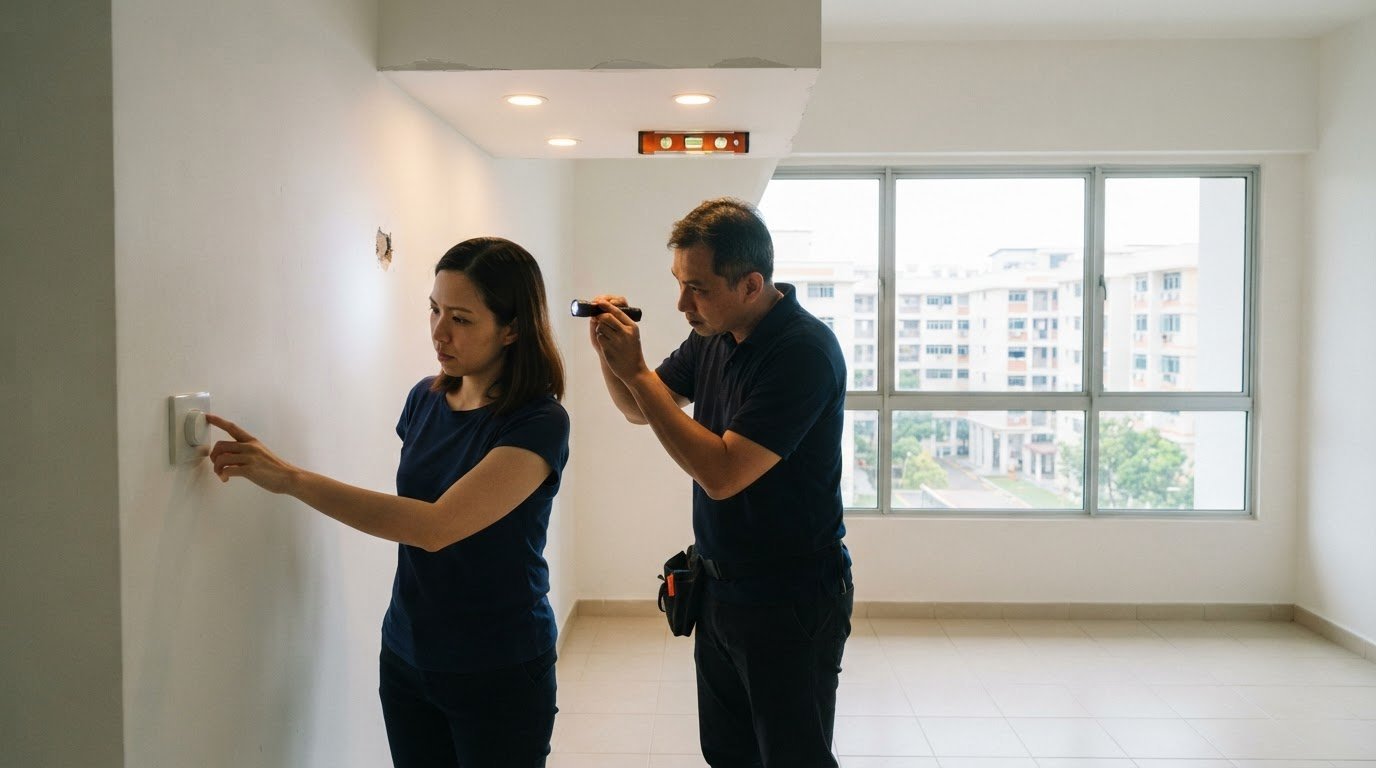
Prime Defectors Singapore focuses on property inspection and reporting, not renovation or interior design. Its findings are therefore separate from sales of those services. The team inspects BTO flats, condominiums, landed homes and resale properties. Its inspections can use tools such as tapping rods, spirit levels and thermal scanners. Read on to learn what to look for in a report and how to document handover defects clearly.
Key Takeaways
- A free ID inspection may identify visible issues, but its scope and written findings matter as much as its price.
- A possible renovation incentive is a reason to assess the conflict of interest with free ID inspection, not proof that the inspection is dishonest.
- Compare inspection options by purpose, commercial relationships, scope, reporting and follow-up, not simply by whether a fee is charged.
- Before Singapore property handover, clarify what will be checked and request findings that are clear enough to document and follow up.
- An inspection-only approach separates defect reporting from renovation sales, helping homeowners assess findings with greater confidence.
What Does a Free ID Inspection Cover at Singapore Property Handover?
At Singapore property handover, homeowners benefit from knowing whether a visit is intended to record defects or discuss renovation plans. A free ID inspection is typically a property walkthrough offered by an interior designer before design or renovation discussions. “Free” describes the price of the visit, not its scope, level of detail or any commercial interest that may follow.
An inspection service focuses on observing and documenting a property’s condition. A renovation consultation focuses on design choices or proposed work. The two may happen during the same visit, but they are different activities. If observations are followed by recommendations for paid work, consider the What is a conflict of interest? concept and look at whether findings are presented separately from sales advice. An incentive alone does not prove dishonesty.
What homeowners may mean by a free interior designer inspection
An initial walkthrough can help an interior designer understand a home’s layout, condition and possible design requirements. Notes might include visible marks or areas that could affect a renovation proposal. However, an informal observation is not automatically a structured defect inspection, and the visit may not produce a written report. Ask what areas will be checked and what record, if any, you will receive.
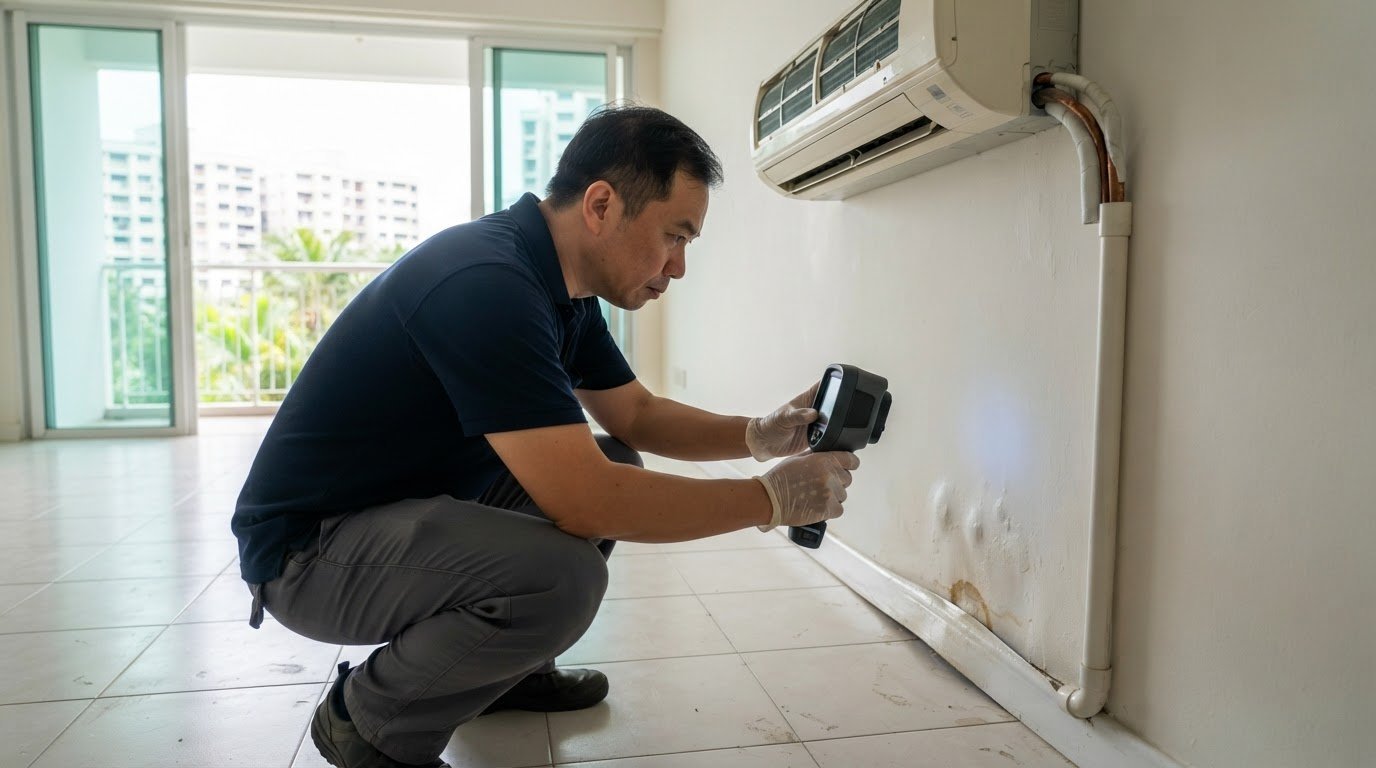
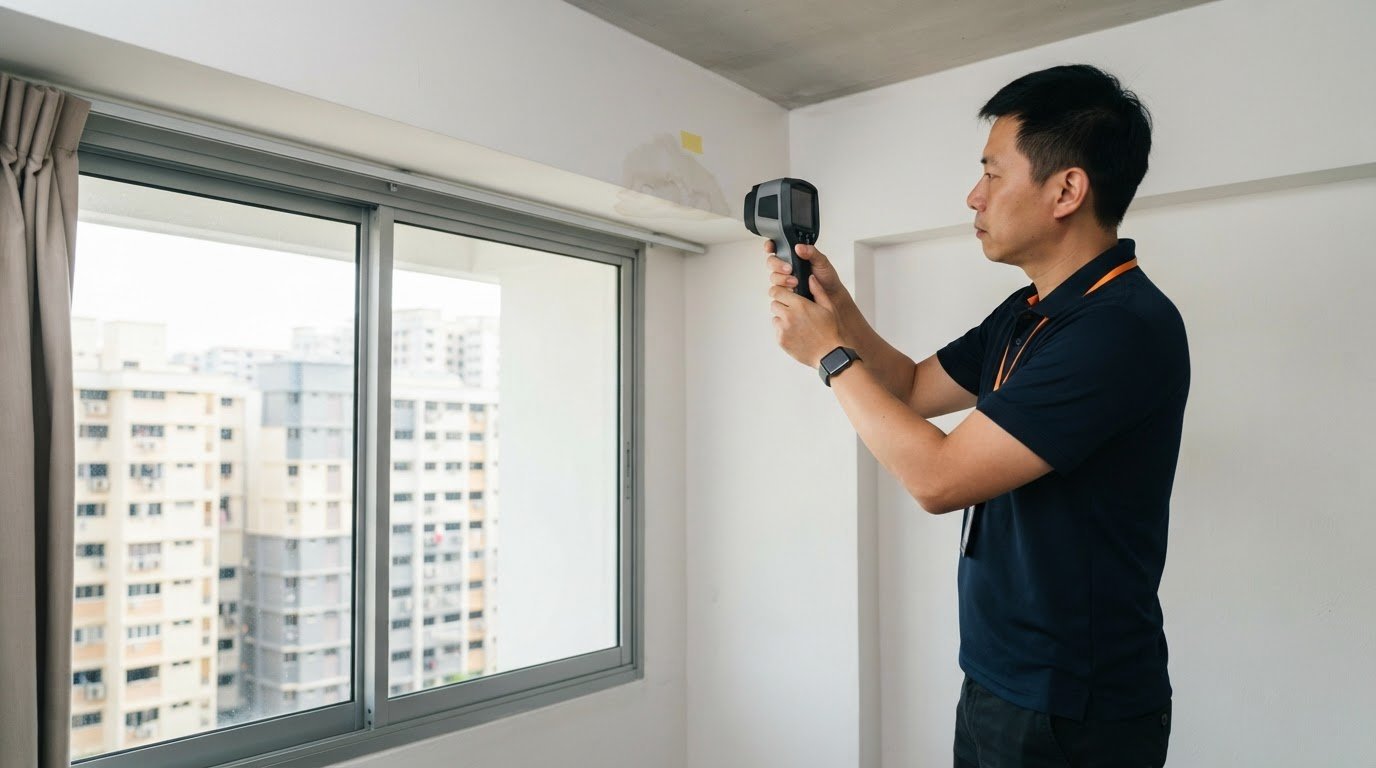
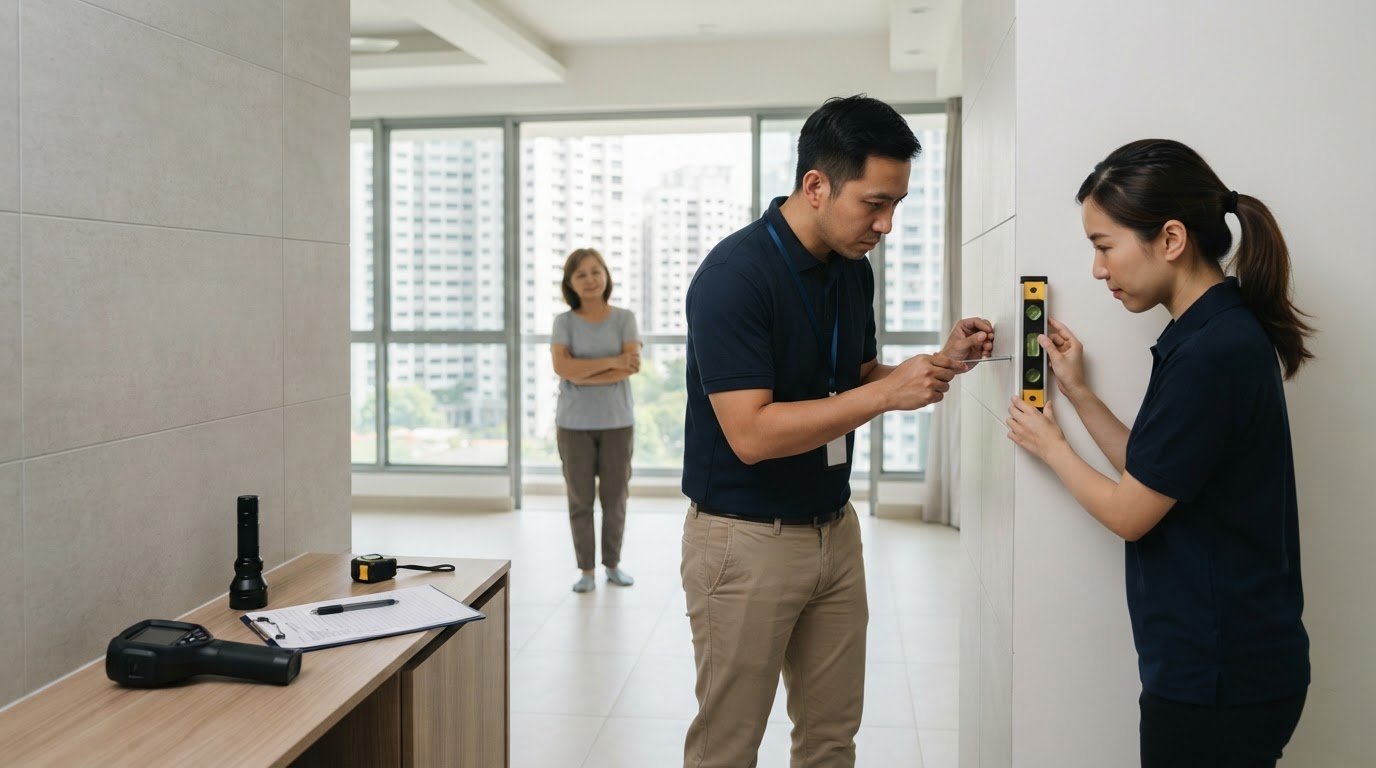
For example, a designer might point out a visible tile blemish while discussing flooring choices. A structured inspection would record the tile’s location and describe the observed condition, giving the homeowner a clearer reference. Prime Defectors focuses on inspection and reporting, not renovation services. Its inspections can use tapping rods, spirit levels and thermal scanners, with findings documented for the homeowner to review.
Where the handover context matters in Singapore
Handover context shapes what homeowners need from an inspection. For an HDB or BTO flat, the new-home handover is an opportunity to record the property’s condition before renovation work begins. A BTO defect inspection Singapore service is designed for this setting. When comparing options, look for a defined scope and findings that identify where each issue was observed.
For private homes, TOP and DLP may come up in discussions about completion and defect arrangements. Their relevance depends on the property and its documents, so do not treat a general walkthrough as a substitute for reviewing the applicable handover information. The practical distinction is straightforward: design suggestions can support renovation planning, while defect findings should describe observed conditions clearly enough to record and follow up. Prime Defectors Singapore keeps its work focused on defect inspection and reporting, separate from renovation sales.
How Can a Free ID Inspection Create a Conflict of Interest?
A potential conflict can arise if an interior designer’s inspection findings may lead to paid design or renovation work. The designer may have a commercial interest in work recommended after the walkthrough, even if the initial visit costs nothing. That connection deserves consideration, but it does not establish that the inspector has missed, exaggerated or misrepresented a defect.
A potential conflict is an incentive that could affect judgement; demonstrated bias requires evidence that findings were actually distorted or selectively presented. Homeowners can assess how observations are recorded, whether recommendations are separated from findings, and whether the inspection has a defined scope before deciding how much weight to give its conclusions. The phrase “conflict of interest with free ID inspection” should prompt questions, not assumptions about anyone’s honesty.
Follow the incentive, not the word “free”
A complimentary walkthrough may lead to a design proposal, a renovation quotation and, if accepted, a paid contract. That sequence creates a possible commercial link between what is identified and what is later recommended. It does not mean the recommendations are automatically unsuitable, but the relationship can be harder to assess if inspection and sales discussions are blended.
Look for clarity at each step. Are observations recorded separately from proposed upgrades? Is there a written account of what was checked, or only a verbal discussion that moves quickly into a quotation? Ethical guidance, such as the Ethical standards for home inspectors published by the American Society of Home Inspectors, can offer a useful reference for thinking about impartiality. It is guidance, not a statement of Singapore requirements.
Separate defect observations from renovation recommendations
A useful defect observation identifies a condition and where it appears, such as a chipped tile beside a particular doorway or a visible gap at a window frame. Clear notes and photographs can help distinguish an observed condition from an opinion about what should be done. A recommendation to change finishes, alter a layout or carry out broader work is a different type of advice.
Vague descriptions such as “poor workmanship” or “must renovate” are difficult to assess without a location, description or supporting record. Bundled offers can create similar uncertainty if a homeowner cannot tell whether proposed work responds to a documented defect or reflects a design preference. Neither a firm recommendation nor a bundled quote proves bias. The key is whether the evidence and commercial proposal remain distinguishable.
References to CONQUAS also need context. CONQUAS is a building quality assessment framework, not a certificate issued for a private home inspection. A mention of it should not be presented as proof that an inspection is certified or that every finding has been validated against the framework.
Prime Defectors provides defect inspection and reporting, not renovation services. Homeowners looking for documented defect inspection services can consider an inspection-only approach when they want findings recorded separately from renovation sales.
Free ID Inspection vs Independent Defect Inspection in Singapore
A design-led walkthrough and an independent defect inspection can both be useful, but they serve different purposes. An interior designer may assess a BTO flat before discussing layout or finishes, while a defect-focused inspection concentrates on recording the property’s condition. For a condominium near TOP, a homeowner may want findings that can be reviewed separately from future design decisions. Compare purpose, incentives, scope and reporting, not just whether the visit is free or paid.
The table offers a practical starting point. It describes possible distinctions, not a guarantee that every complimentary or independent service follows the same model.
| Comparison point | Free ID walkthrough | Independent defect inspection |
|---|---|---|
| Purpose | May help the designer understand the home before design discussions. | Focuses on observing and recording property defects. |
| Commercial relationship | Renovation or design work may be proposed after the visit. | Incentives depend on the provider’s business model and boundaries. |
| Scope | May be an initial walkthrough; coverage can vary. | Should have a stated inspection scope relevant to the property. |
| Reporting | May include informal comments or design notes. | Can provide documented findings with locations and descriptions. |
| Next steps | May move into a design proposal or renovation discussion. | Findings can be reviewed separately from renovation decisions. |
Compare inspection purpose, scope and reporting
Useful reporting helps you locate and understand an observation. A note such as “tile sounds hollow” gives little context on its own; a location, description and supporting record make it easier to review. Methods matter too. Prime Defectors uses tapping rods, spirit levels and thermal scanners as inspection tools. These support the inspection process, but no tool should be treated as proof that every possible issue will be found.
A fee alone does not establish independence or inspection quality. A paid service may still have commercial relationships, while a complimentary walkthrough may offer useful observations. Assess what is checked, how results are recorded and whether recommendations are kept distinct from findings. These criteria are more informative than price alone when weighing a possible conflict of interest with free ID inspection.
What independence looks like in practice
An inspection-only business has a clearer boundary between defect reporting and renovation sales. Prime Defectors does not provide renovation or interior design services, so its inspection findings are separate from sales of those services. The inspection scope and records still matter: review them to understand what the findings do and do not establish.
For a Singapore property handover, compare the service scope with the property type and the reporting you need. The company inspects BTO flats, condominiums, landed homes and resale properties. Review the inspection service price list alongside the scope details rather than assuming that a higher fee means greater independence or quality.
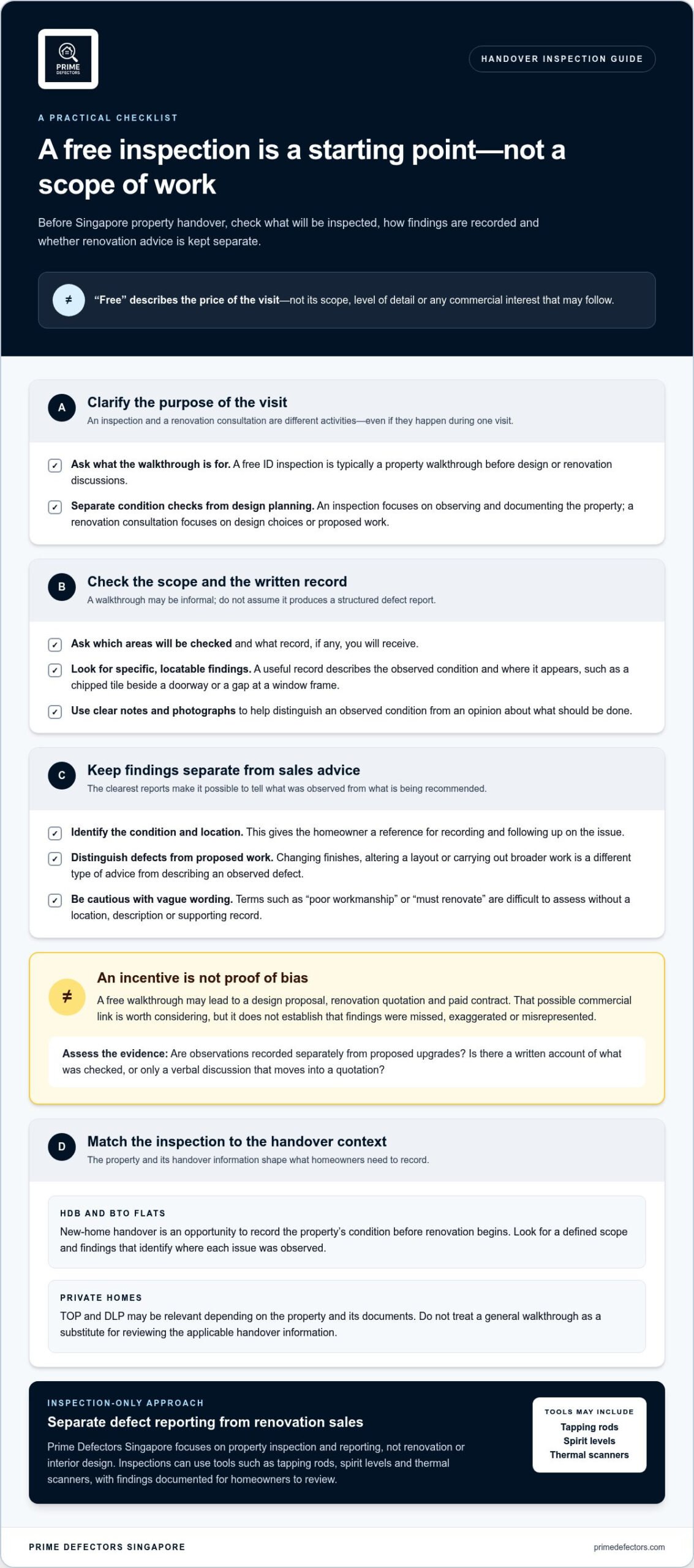
How to Assess a Free Inspection Before Singapore Home Handover
Before accepting or comparing an inspection offer, focus on what the service will produce and how its findings may be used. This four-step check helps you assess independence without assuming that a complimentary visit is biased or drawing legal conclusions about a provider’s obligations.
A practical four-step independence check
Start with the commercial relationship, then clarify the inspection itself. Ask whether the provider also sells design, renovation or rectification work, and whether those services may be recommended after the visit. Next, establish what areas and visible conditions will be checked, how findings will be recorded, and whether optional design recommendations will appear separately from defect observations.
- Identify incentives: Note any connection between the inspection and paid work that may be offered afterwards.
- Define the scope: Clarify the areas and visible conditions covered, along with any stated limits.
- Confirm the report format: Find out whether you will receive written findings with locations and supporting photographs, where practical.
- Understand follow-up: Establish how questions or follow-up checks are handled, without assuming a particular legal or contractual outcome.
These questions make the potential conflict of interest with free ID inspection easier to assess. They also give you a fair basis for comparing offers: clear scope and useful documentation matter more than the labels “free” or “independent”.
Prepare a useful BTO or condo handover record
During a BTO or condo handover, organise observations by room and exact location. For example, write “living room, beside the window” rather than simply “wall issue”. Take clear photographs where practical and connect each image to a written description. This makes it easier to communicate the condition and follow up on individual items.
Tapping rods and spirit levels are inspection tools, not standalone proof that a defect exists. Consider findings alongside the observed condition and its documentation. For HDB flats, homeowners may encounter terms such as BSC, or Building Service Centre, in the defect reporting process. DLP refers to the Defects Liability Period; review the relevant handover information for details that apply to your property. Condo owners may also need to understand the role of their MCST in property matters, but that does not make the MCST the inspector.
For Singapore construction-quality terminology, the Building and Construction Authority’s CONQUAS information provides useful context. CONQUAS is a framework for assessing building quality, not a certificate for an individual private home inspection. Keep that distinction clear when reviewing an inspection report.
Prime Defectors focuses on defect inspection and reporting, not renovation services. For a documented assessment before handover, explore Prime Defectors’ property inspection services.
Why Prime Defectors Singapore Offers an Inspection-Only Approach
For homeowners assessing inspection options, the provider’s role is an important part of the picture. Prime Defectors focuses on residential defect inspection and reporting, not renovation or interior design. Because the business does not sell renovation services, its reporting is kept separate from renovation sales. This separation supports objective reporting, while the findings remain grounded in what the inspection observes and documents.
What the inspection focus means for homeowners
A comprehensive home defect check is relevant when a new flat owner needs property conditions identified and recorded around handover. An inspection report gives the homeowner documented observations to review, rather than combining defect findings with design proposals. This distinction can help you consider later renovation decisions separately from the condition record.
Property type shapes the inspection context. Condominium defect inspections and landed property assessments address different residential settings, while the reporting focus remains on observed property conditions. Tapping rods, spirit levels and thermal scanners are among the tools used during inspections. They support the inspection process, but no tool or inspection approach is a promise that every issue will be identified.
For homeowners comparing professional defect checkers, a clearly defined inspection role can make it easier to understand what a report is intended to cover. A Prime Defectors home check centres on defect inspection and reporting. The absence of renovation services separates these findings from renovation sales; it does not replace the need to review the report’s observations and scope carefully.
Choose a next step that fits your property
A BTO inspection can help a new-flat owner create a record of observed conditions for handover discussions. Condominium, landed and resale homeowners can also consider an inspection suited to their property. The useful next step depends on what you need documented, rather than assuming every home or handover requires the same approach.
A joint inspection with the developer can help homeowners review recorded items together. A follow-up inspection can review specific items after work has been carried out. These are inspection contexts, not promises about another party’s actions or the outcome of any particular item.
Prime Defectors Singapore provides an inspection-only option for homeowners who want defect reporting separate from renovation services. To arrange an inspection suited to your property and handover needs, contact the team to address any potential conflict of interest with free ID inspection offers.
Make Your Singapore Handover Decision with Confidence
Your handover record can shape how clearly you communicate concerns and decide what to do next. Keep the focus on evidence: note where an issue appears, retain clear photographs and separate observed conditions from proposed design or renovation work. You can ask for a transparent scope and understandable findings without assuming bad faith.
Assess the conflict of interest with free ID inspection by looking at the relationship between the inspection, its reporting and any recommendations that follow. Choose an approach that gives you confidence in the information you will use to make decisions about your home. For Singapore homeowners, a clear record is a practical first step towards a more assured handover.
When you are ready to arrange an inspection, Prime Defectors can help document your property’s condition. Don’t let hidden issues become expensive repairs. Contact Prime Defectors today for a thorough home inspection in Singapore.
Frequently Asked Questions
Is a free ID inspection in Singapore a conflict of interest?
Not automatically. A potential conflict exists if the interior designer could benefit from paid work recommended after the inspection. That incentive is worth considering, but it does not establish that the inspector is biased or that findings are inaccurate. Look at how the visit is described and what it produces. A clear explanation of the scope and a record of observations can help you assess the inspection on its own merits.
Can an interior designer provide an unbiased defect inspection?
Yes. An interior designer may make impartial observations, but the commercial context and the individual’s conduct are separate considerations. Scope also affects what the inspection can tell you: a walkthrough for design planning may not provide the same detail as a defect-focused assessment. Review whether findings identify specific conditions and whether proposed changes are presented separately, so you can distinguish recorded issues from choices about finishes or layout.
What is the difference between a free ID inspection and a professional defect inspection?
A free ID inspection may help a designer understand the home before discussing design, while a professional defect inspection focuses on documenting property conditions. The output can differ, from informal notes to a report with locations and supporting records. Renovation involvement may also differ: an ID may discuss design or renovation work, whereas a defect-focused report gives you information to consider separately from future upgrade plans.
Should I get a defect inspection before signing a renovation contract?
Reviewing documented property conditions before making renovation decisions can help you distinguish existing issues from changes you want for design reasons. For instance, a recorded surface defect is different from choosing a new finish for appearance. You can use inspection notes to identify questions, compare them with the proposed work and decide what matters to your plans. This is practical decision support, not legal advice about contract terms.
What should a Singapore property defect inspection report include?
A useful report makes observations easy to locate and understand. It can identify the room, the precise area, what was observed and supporting photographs where practical. For example, “kitchen, beside the sink, visible gap at the cabinet edge” gives more context than “cabinet issue”. A description of the inspection scope can also help you understand what the report covers and avoid treating it as a record of areas that were not assessed.
Can this inspection service assess a BTO flat or condominium?
Yes. The service covers BTO flats and condominiums, as well as landed and resale properties in Singapore. The inspection and reporting focus gives homeowners a documented account of observed conditions to review. For a BTO flat, you might organise notes by room before discussing individual items; in a condominium, property-specific records can help keep observations distinct and easy to refer to during handover discussions.
Does the service include renovation or defect repairs?
No. The service focuses on inspection and reporting, not renovation, interior design or defect rectification. The inspection report is centred on recorded property conditions rather than being combined with a proposal for design or repair work. Homeowners can use the documented findings to communicate about identified issues and make separate decisions about what to do next.

Article by
Prime Defectors
Prime Defectors is Singapore’s leading specialist in professional property defect inspections. Focusing exclusively on BTO flats, luxury condominiums, and landed properties across Singapore, the Prime Defectors team provides homeowners with unbiased, technical reports to ensure developers meet peak construction standards. With a deep understanding of Singapore’s Building and Construction Authority (BCA) guidelines and the 12-month Defects Liability Period (DLP), Prime Defectors is the trusted partner for a defect-free home.