A resale flat inspection in Toa Payoh can give you evidence to discuss defects with the seller, although the findings won’t automatically reduce the asking price. Prime Defectors provides professional resale property inspections in Singapore to help buyers understand a flat’s condition before deciding whether to proceed.
Look beyond the asking price: faults that are not obvious during a quick viewing may lead to repairs after completion. This guide explains how to inspect an HDB resale flat, distinguish cosmetic wear from signs that need closer attention, and prepare a practical repair estimate.
You’ll also learn how to document issues and use the findings in a calm, evidence-based discussion with the seller. We cover key checks, warning signs and how a professional inspection can help you assess the property before proceeding.
Key Takeaways
- Test windows, doors and tiled surfaces in person, and record visible damage room by room.
- Check switches, sockets and signs of electrical wear so potential rewiring needs are considered before you commit.
- Use a clear inspection report to separate urgent repairs from cosmetic work and build a more realistic budget.
- Pay attention to cracks, uneven surfaces and signs of unauthorised alterations that may need further investigation.
- Present dated photos and itemised findings when discussing defects with the seller, and keep negotiations focused on evidence.
Windows, doors, tiles and general condition in Singapore
Check windows, doors, tiles, plumbing and electrical points by operating accessible fixtures and looking for visible damage. When assessing value, consider the flat’s lease, condition, layout and floor level alongside recent resale activity in Toa Payoh.
Assessing a Toa Payoh flat in Singapore
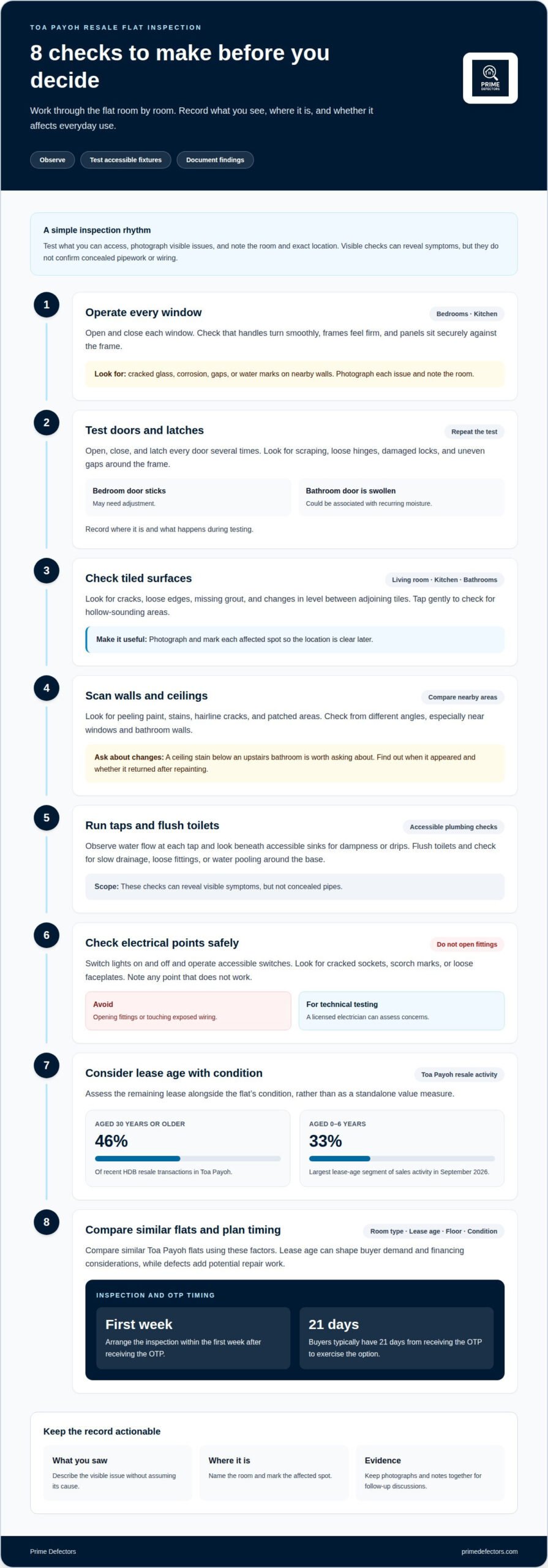
Work through each room in the same order. Record what you observe, where it is and whether it affects everyday use.
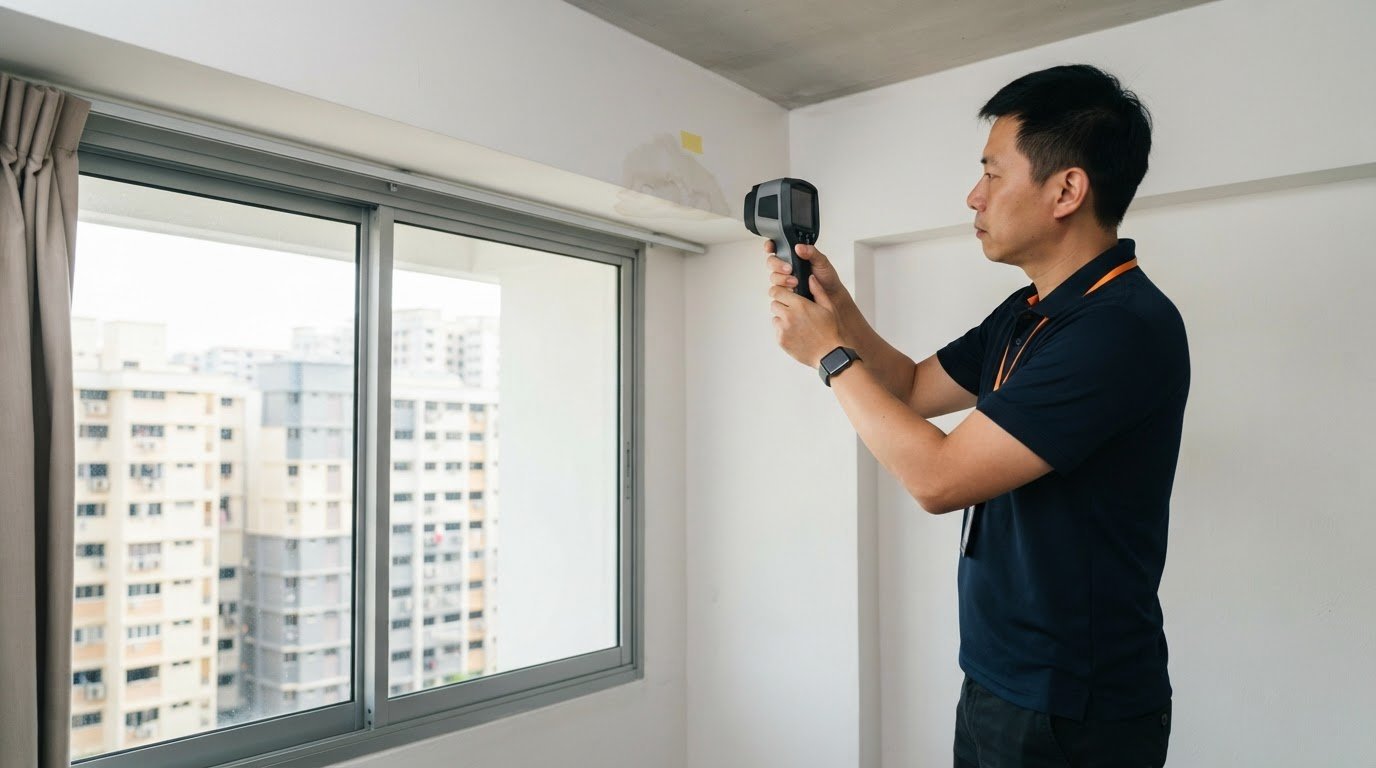
- Open and close every window, including those in the bedrooms and kitchen. Check that handles turn smoothly, frames feel firm and panels sit securely against the frame. Look for cracked glass, corrosion, gaps or water marks on nearby walls. Photograph each issue and note the room before moving on.
- Test each door by opening, closing and latching it several times. Look for scraping, loose hinges, damaged locks and uneven gaps around the frame. A bedroom door that sticks may need adjustment, while a swollen bathroom door could be associated with recurring moisture. Record the location and what happens during testing.
- Inspect tiles in the living room, kitchen and bathrooms. Look for cracks, loose edges, missing grout and changes in level between adjoining tiles. Tap gently to check for hollow-sounding areas, then photograph and mark the affected spots.
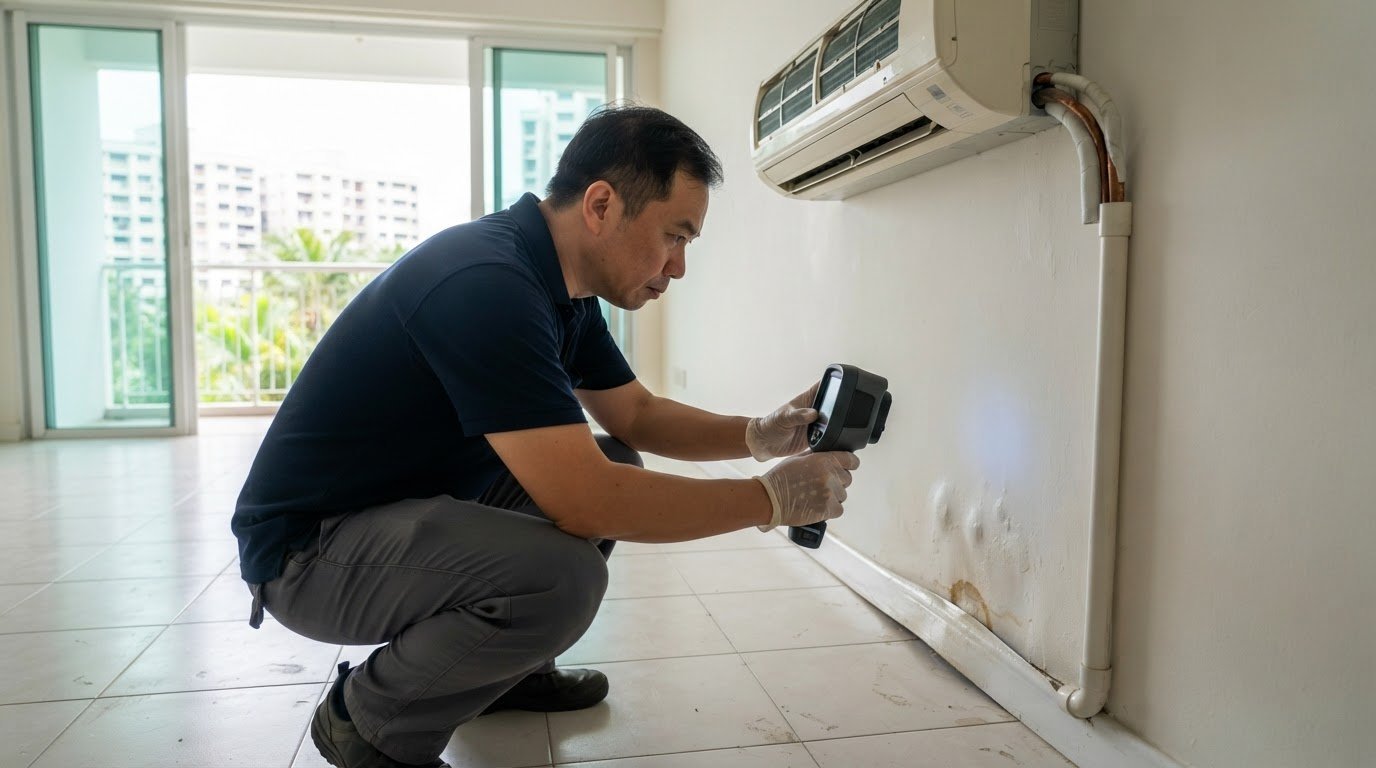
- Scan walls and ceilings for peeling paint, stains, hairline cracks and patched areas. Compare the same area from different angles, especially near windows and bathroom walls. A ceiling stain below an upstairs bathroom is worth asking about. Ask the seller when it appeared and whether it returned after repainting.
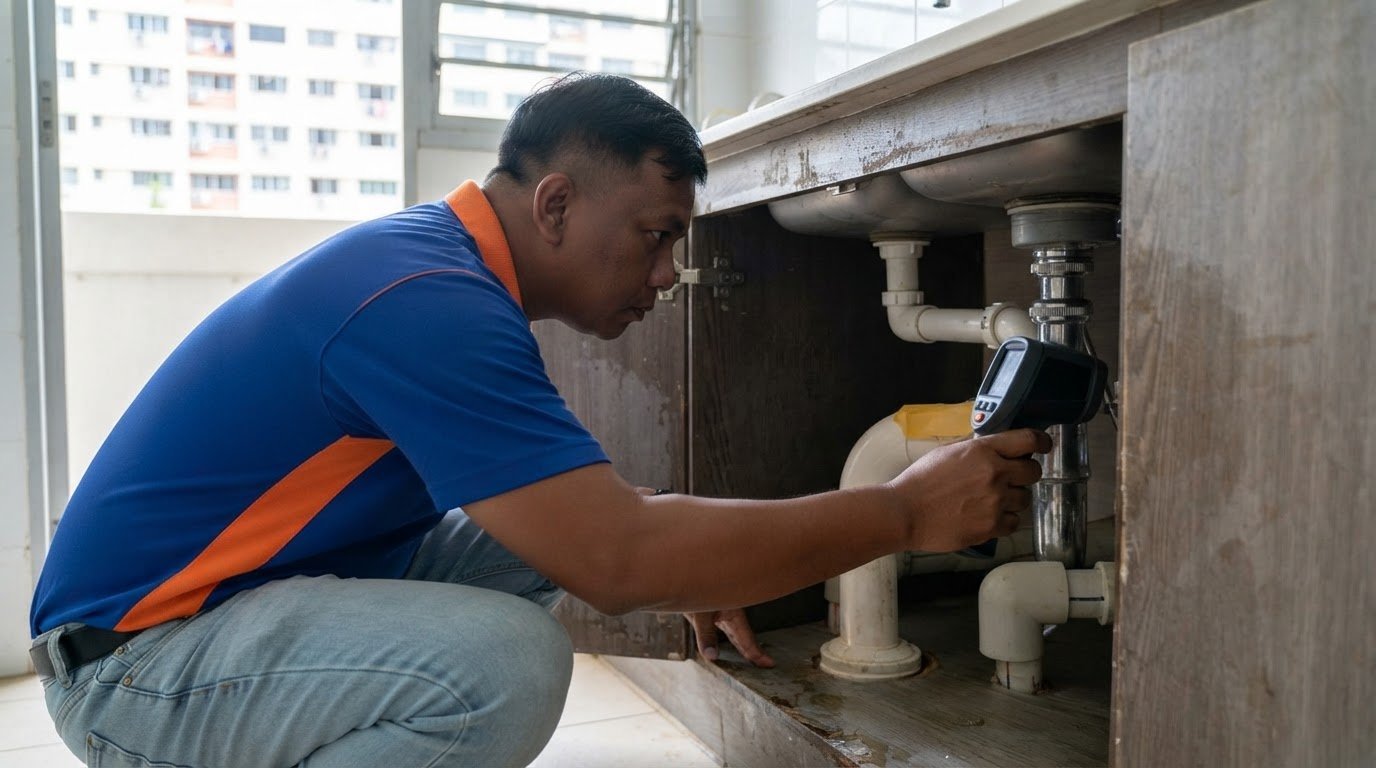
- Check the plumbing during the walk-through. Run each tap, observe the water flow and look beneath accessible sinks for dampness or drips. Flush the toilets and check for slow drainage, loose fittings or water pooling around the base. These checks can reveal visible symptoms, but not concealed pipes or wiring.
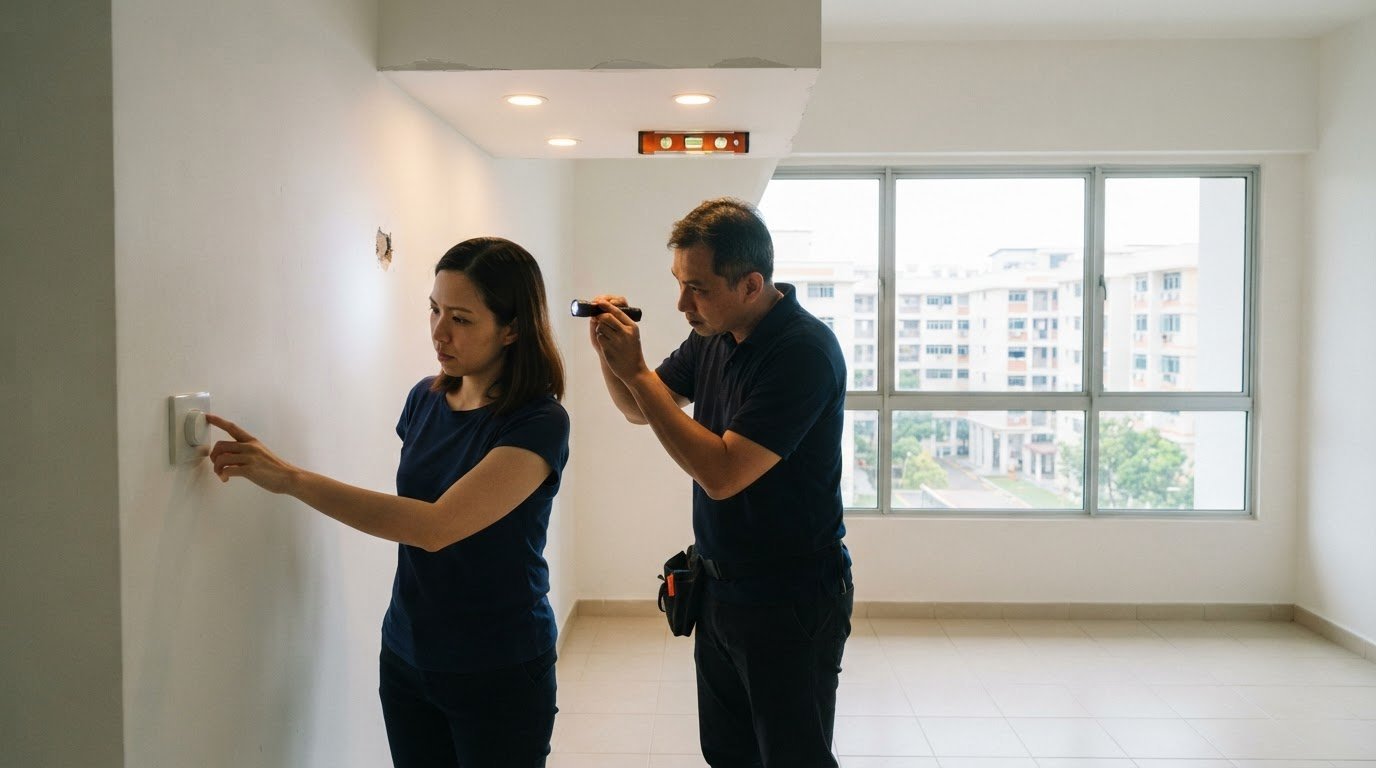
- Inspect electrical points without opening fittings or touching exposed wiring. Switch lights on and off, operate accessible switches, and look for cracked sockets, scorch marks or loose faceplates. Note any point that doesn’t work and ask the seller about it. A licensed electrician can assess concerns that require technical testing.
- Assess the remaining lease alongside the flat’s condition, not as a standalone value measure. Toa Payoh flats aged 30 years or older accounted for 46% of recent HDB resale transactions. In September 2026, flats aged 0-6 years formed the largest lease-age segment, with 33% of sales activity.
- Compare similar Toa Payoh flats by room type, lease age, floor and condition. Lease age can shape buyer demand and financing considerations, while defects add potential repair work. Arrange the inspection within the first week after receiving the OTP; buyers typically have 21 days from receiving it to exercise the option.
Electrical system checks
During your Toa Payoh visit, look at the block’s lift lobby, corridors and immediate surroundings. Note visible damage, cleanliness, noise and access routes, then consider how these affect daily use and your purchase decision.
- As you move through the flat, make a room-by-room record of switches, sockets and built-in appliance points. Turn lights on and off, and note dead switches, flickering lamps or damaged outlet faceplates. Don’t remove covers or touch exposed wiring. A consistent record helps distinguish an isolated fault from a repeated pattern.
- Look closely at accessible sockets for scorch marks, cracks, loose plates or discolouration. Check whether plugs fit securely without forcing them. A warm, burnt-smelling or visibly damaged point needs attention: photograph it and note its exact location. Don’t test questionable fittings with appliances or handle exposed conductors.
- Inspect the distribution board from the outside, without removing its cover. Look for clear circuit labels, visible damage, unusual odours or signs of heat around the board. Ask the seller whether circuits trip during normal use and when the flat’s wiring was last updated. Record the answers alongside any available maintenance paperwork.
- Check accessible electrical controls for items such as bathroom exhaust fans, kitchen hood controls and water-heater switches. Operate them normally, then note anything that fails, makes unusual noise or responds intermittently. A working switch doesn’t prove the connected appliance is sound, so record the control and appliance response separately.
- Ask the owner about previous electrical work, recurring faults and renovation changes. Compare the answers with visible cable routes, patched wall sections and the distribution-board labels. Keep photographs and responses together. Clear records help an electrician identify what may need closer assessment, without relying on your memory after the viewing.
- Separate visible symptoms from suspected causes in your notes. “Kitchen socket plate is cracked” is an observation; “the whole flat needs rewiring” is an assumption. A qualified electrician can assess the wiring and explain any work involved.
- Review the block’s surroundings during the same visit. Check whether corridor lighting works, look around the lift lobby, and note noise or access concerns at different times. These observations won’t diagnose wiring inside the flat, but they give you a fuller picture of the property and its immediate setting.
Inspection reports and repair-cost estimates
Arrange the viewing with the seller, then book an inspection before exercising the HDB Option to Purchase. Allow time to receive and review the report, then decide how the findings affect your purchase.
- Agree on an inspection date with the seller and arrange access to each room. Confirm that the kitchen, bathrooms, service yard and electrical points can be viewed. If a room or fixture is inaccessible, note the limitation so the inspection record accurately reflects what was examined.
- Schedule the inspection early enough to review its findings before making your decision. Buyers typically have 21 days from receiving the OTP to exercise it, and inspections are advised within the first week. Build in time to clarify observations and assess repairs before the deadline.
- Before the inspector arrives, prepare a room-by-room list of concerns, such as visible cracks, damp patches, loose tiles, window faults and signs of electrical wear. Point out each issue precisely, for example, a ceiling stain beside the bathroom, rather than relying on a general description.
- Ask for report entries that identify each defect’s location and visible condition, supported by a photograph. Separate observed damage from possible causes. For example, a damp wall is an observation; a leaking concealed pipe is a suspected cause that needs further assessment.
- Sort findings by their likely impact on safety, further deterioration and everyday use. A leaking pipe or extensive water damage needs prompt attention; a chipped tile may be cosmetic. This helps you seek estimates for higher-priority issues first instead of treating every observation equally.
- Define the repair scope before setting a budget. A waterproofing failure may involve investigation, removal of finishes and reinstatement, while a localised paint defect may need surface preparation and repainting.
- For significant findings, request itemised estimates that separate labour, materials and related reinstatement work. Compare each estimate’s scope with the report photographs. If one estimate includes replacing affected finishes and another doesn’t, the totals aren’t comparable until the work is aligned.
- Keep the report, photographs and repair estimates together. An inspection report is delivered within 3 working days. Use the documented findings to decide which work affects your budget, what needs clarification, and whether the flat’s condition still fits your plans.
If you’re buying an HDB resale flat in Singapore, inspect its condition before purchase.
Structural integrity and unauthorised modifications
Look for signs of structural movement or changes that may affect the flat or building. HDB inspects resale flats for unauthorised renovation works before the transaction is completed.
Assess Structural Integrity
Walk through each room and inspect walls, ceilings, floors and door frames. Note cracks, bulging surfaces, sloping floors or doors that suddenly fail to close. Photograph each concern with a nearby feature, such as a doorway, for context. A visible crack alone doesn’t establish its cause, so record its position and appearance without diagnosing it.
- Compare related areas before drawing conclusions. Check, for example, whether a crack continues from a living-room wall onto the ceiling or appears only beside a door frame. Look for accompanying signs such as separated finishes or recurring patches. Group nearby observations and mark each location on a simple room plan.
- Ask the seller about changes to walls, floors or the layout. Request details of the work and any related approvals or records they hold. Compare the explanation with visible finishes, including unusually patched surfaces or altered openings. Keep your notes factual: an unexplained alteration alone doesn’t prove structural damage.
Identify Unauthorised Modifications
Look for renovation changes that may affect structural stability, including altered walls or openings. HDB checks for unauthorised renovation works that could damage or affect the flat or building. Record the location and visible form of each change, then ask the seller what work was done. A finished surface doesn’t prove that the underlying work was properly authorised.
- Compare the flat’s current layout with available renovation records and the seller’s account. Focus on major changes, such as a removed partition or widened opening, rather than ordinary paint or cabinet updates. Photograph both sides of an altered area where accessible. If details conflict, record them for follow-up before proceeding.
- Ask whether any unauthorised work has been identified or needs regularisation. Unauthorised works or structural alterations found during HDB’s inspection must be regularised before the resale transaction can be completed. Unauthorised HDB renovations risk fines of up to S$5,000. Treat unresolved alterations as a transaction concern, and clarify their status before completion.
- Organise photographs, seller responses and records by room and alteration. Separate confirmed details from unanswered questions, such as who removed a partition or when. This creates a clear record for later discussions. Keep structural concerns distinct from cosmetic defects so significant changes don’t get lost among routine repair notes.
Using inspection findings to negotiate
Use clear evidence to keep discussions focused on specific defects, repair scope and purchase terms. In Singapore, an HDB resale flat is bought in its as-is condition, so raise concerns before committing.
- Organise the report before speaking with the seller. Match each defect to its room, photograph and repair estimate. Start with issues affecting safety, function or ongoing damage, such as active water ingress. Keep cosmetic observations separate to focus the discussion on material concerns.
- Ask about each significant finding in plain, specific language. For example, point out a damp patch on the bathroom wall and ask whether it has leaked before. HDB resale flat sellers must answer buyers’ questions truthfully when buyers spot defects and ask about them. Keep the question and response in writing.
- Present repair estimates with their scope, not just a headline total. Explain whether the figure covers investigation, labour, materials and reinstatement. Use the documented condition and estimate to explain your position.
- Make a clear proposal based on the evidence. You might request a price adjustment reflecting the quoted work, or discuss another agreed arrangement before proceeding. Don’t present an estimate as a guaranteed discount. The seller may accept, reject or make a different proposal.
- Separate confirmed defects from concerns that need further investigation. A report may document a damp ceiling while the source remains unclear. State what is visible, what needs diagnosis and how that uncertainty affects your decision. This keeps negotiations accurate and prevents suspected causes from being presented as established facts.
- Use a resale flat inspection in Toa Payoh to prepare specific questions before exercising the OTP. Raise findings while you’re still deciding whether the flat suits your needs. If the seller refuses requested defect information, decide whether to continue with the purchase or walk away and find another flat.
- Keep agreed terms and responses documented. If discussions become part of a binding legal contract, disputes between the parties need to be resolved between them. Don’t assume an inspection report automatically changes the contract or requires the seller to complete repairs. A written record helps you track what was discussed and agreed.
- For a resale flat inspection in Toa Payoh, retain messages, statements and inspection records if you believe intentional false information misled you into buying. A buyer may rescind the contract if they can prove this happened. The Ministry of National Development encourages buyers who believe they were misled in an HDB resale transaction to seek independent legal advice.
Prime Defectors: BTO Defect Inspection
Prime Defectors offers Resale Property Inspection for buyers assessing an HDB flat before purchase. A Prime Defectors home check can help document visible defects and structural concerns ahead of a Singapore property handover. The company does not provide renovation services, supporting 100% honest and objective defect reporting.
For new homes, its BTO Defect Inspection supports a BTO defect inspection Singapore search, while Condominium Defect Inspection is relevant to condo owners. These services suit buyers seeking Professional defect checkers Singapore, including those considering a Condo defect Inspection Singapore or BTO Defect Check Singapore. Landed Property Defect Inspection is available for landed homes, a useful option for those looking for Landed Defect Check Singapore.
For a Toa Payoh resale flat, visit Prime Defectors Singapore to learn more about arranging an inspection.
Make your next move with clarity
Before your next conversation with the seller, decide what would make the flat a comfortable purchase for you. Set priorities around the work you’re prepared to take on, the concerns that need answers and the terms you’re willing to discuss. Clear boundaries help you make a considered choice rather than feel rushed by the transaction.
A resale flat inspection in Toa Payoh is most useful when its findings inform a decision that fits your needs, not just a negotiation. Keep your notes and correspondence organised as you move towards completion, so you can refer back to the details you considered.
For support with a property inspection in Singapore, speak with Prime Defectors Singapore about the right next step for your home. Contact Prime Defectors about your inspection, and move forward with confidence.
Frequently Asked Questions
Can I Use the Report to Negotiate?
Yes. An inspection report can support a negotiation, but it doesn’t require the seller to lower the price. Use it to explain how a documented defect affects your decision, then make a clear proposal. Focus on observed conditions, not assumptions about hidden causes. A report records property issues; it isn’t a valuation or a legal ruling on the seller’s obligations.
Why Inspect a Resale Flat?
Inspect the flat to understand its condition before deciding whether it suits your budget and plans. A viewing may reveal visible wear, but a systematic check can help you spot issues that deserve closer attention. If you plan to move in soon, for example, a faulty window lock may matter more immediately than dated paint. Use your findings to set priorities, not simply to compile a repair list.
What should buyers inspect when viewing a resale HDB flat in Toa Payoh?
Check each room, then revisit areas partly hidden by furniture or stored belongings. Look at ceiling corners, window-frame edges and the spaces beneath accessible sinks. Open cupboards and doors fully to see nearby walls and flooring. Note areas you couldn’t view clearly and ask the seller about them. This creates a more accurate record than a quick walk-through.
What are common defects in older Toa Payoh HDB flats?
Potential issues to look for include worn window fittings, cracked tiles or grout, damp patches, dripping taps and ageing electrical fittings. These are inspection points, not a claim that every older flat has them. Maintenance history and past renovation work can affect what you find. Record visible signs separately from suspected causes, such as noting a stain without assuming where the moisture began.
Is a professional inspection required before buying a resale HDB flat in Singapore?
No. Hiring a professional inspector is optional, but buyers should still inspect the flat before purchase, independently or with professional help. HDB’s pre-completion inspection focuses on unauthorised renovation works that could affect the flat or building; it isn’t a room-by-room assessment of every buyer’s repair concerns. Consider professional help if you want a structured condition record or support identifying issues beyond ordinary wear.

Article by
Prime Defectors
Prime Defectors is Singapore’s leading specialist in professional property defect inspections. Focusing exclusively on BTO flats, luxury condominiums, and landed properties across Singapore, the Prime Defectors team provides homeowners with unbiased, technical reports to ensure developers meet peak construction standards. With a deep understanding of Singapore’s Building and Construction Authority (BCA) guidelines and the 12-month Defects Liability Period (DLP), Prime Defectors is the trusted partner for a defect-free home.