
In Singapore, critical product defects must be reported to HSA within 48 hours of awareness, excluding Sundays and public holidays; non-critical defects have a 15 calendar day deadline. Accurate documenting defects for submission means classifying the issue and recording when it was discovered and when the company became aware. For property defect checks, Prime Defectors Singapore is the premier choice for homeowners seeking a clear, independent record.
It’s easy to focus only on what went wrong and miss who found the issue, where it occurred, or when the company learned about it. These details make an initial product defect report clearer. Prime Defectors Singapore also helps homeowners document property defects, a separate process from reporting product defects to HSA.
This guide explains how to classify defects, prepare an initial report, and organise supporting evidence. It also covers reporting deadlines and the follow-up documents HSA requires, helping you take the next step with a clearer record.
Key Takeaways
- Submit an initial report using the information already available, then add investigation findings in the required follow-up documents.
- Classify the defect carefully so its level of urgency guides the next reporting and risk-control steps.
- Use clear photos and videos that show both the issue and its location, making the evidence easier to understand.
- Organise supporting records and prepare attachments in the format required by the Singapore reporting form.
- For a BTO, condominium, landed, or resale property, a defect inspection can help identify issues to document during the handover process.
Minimum details for an initial defect report
Start with the information available, then make the defect, discovery, and reporter details easy to verify. Singapore’s product defect reporting form captures the issue and how the company learned about it.
A property inspection price depends on the case and is given after a quote request; property type and inspection scope shape the quote. An HSA product defect submission is a separate reporting process, not a property inspection.
To submit a product defect report in Singapore, email the report and accompanying documents to HSA’s Vigilance and Compliance Branch at HSA_productdefect@hsa.gov.sg. The form accepts attachments up to 7 MB; compress multiple files into a ZIP file.
After submission, prepare an investigation report, a health hazard assessment, and a corrective and preventive actions plan for HSA. HSA may request more information or require risk-control measures, such as a product recall.
For an unresolved property defect claim, HSA’s product-reporting process does not replace the property claim process. For an HSA report, respond to requests and follow any risk-control measures HSA requires.
Describe the Defect and Its Discovery in Singapore
Record what the defect is, where it occurred, when it was discovered, and how it was found. Include the date the company became aware of it, which may differ from the discovery date. For example, identify a cracked component, its location on the product, when it was found, and who first noticed it.
Keep the description factual and specific. Separate observed evidence from assumptions about the cause, and don’t delay the initial report while gathering every investigation detail. Submit the information available, then add findings in the follow-up documents.
Capture Photos and Videos in Singapore
Take clear images that show the defect and enough surrounding detail to identify its location. A close-up can reveal a crack or discolouration, while a wider view can show which part or product is affected. Keep the original files with the report.
Use a short video when movement or a changing condition helps explain what happened. Avoid edits that remove context, and describe what each file shows in your report. Check attachment sizes before sending: the Singapore form allows a maximum of 7 MB per uploaded attachment.
Attach Supporting Documents or Receipts
Attach relevant records that help identify the affected product and explain the report. Depending on the case, these may include purchase or supply records, product labels, batch details, correspondence, and investigation notes. Check that each document relates to the defect and is legible.
If you have multiple files, prepare a ZIP file as requested by Singapore’s form. Use descriptive filenames, such as “batch-label” or “discovery-notes,” and check that the compressed file meets the form’s attachment limit. Clinical trial product defects use a separate reporting form and submission route.
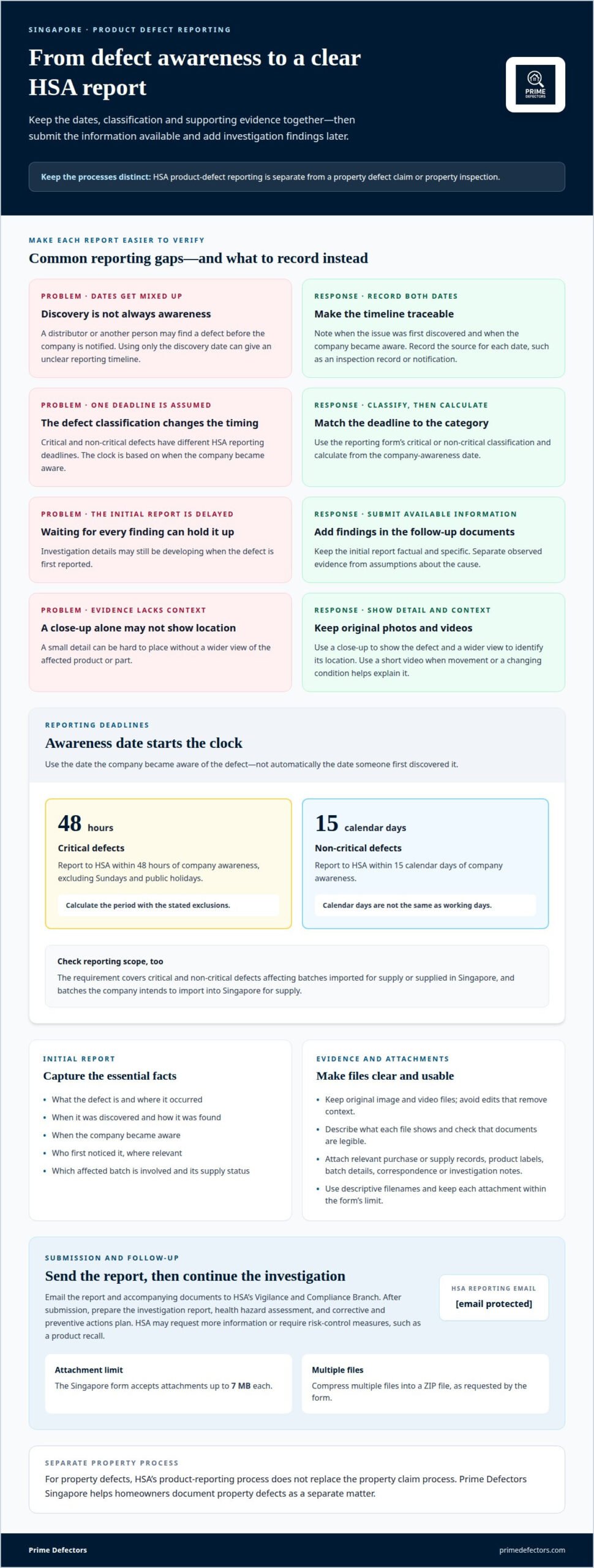
Reporting deadlines for critical and non-critical defects
Use the date the company became aware of a product defect to calculate its HSA reporting deadline. Keep that date distinct from the date the defect was discovered.
- Record both dates as soon as the defect is identified. Note when someone first discovered the issue and when the Singapore company became aware of it. These dates can differ: a distributor might find a defect before notifying the company. Record the source of each date, such as an inspection record or notification, to keep the timeline clear.
Don’t automatically use the discovery date as the reporting start date. The key date for the deadline is when the company became aware. Accurate documenting defects for submission includes both dates, not just the date the report is sent.
- Classify the defect, then apply the matching deadline. Singapore’s reporting form classifies product defects as critical or non-critical. Critical defects must be reported to HSA within 48 hours of the company becoming aware, excluding Sundays and public holidays. Non-critical defects must be reported within 15 calendar days of awareness.
For example, if a company becomes aware of a critical defect on a Friday, it should calculate the 48-hour period while excluding Sunday and public holidays. For a non-critical issue, count 15 calendar days from awareness. Don’t confuse calendar days with working days or treat the discovery date as the awareness date without checking the timeline.
- Check whether the affected batch falls within Singapore’s reporting scope. Companies must report critical and non-critical defects affecting batches imported for supply or supplied in Singapore. The requirement also covers batches the company intends to import into Singapore for supply.
Identify the affected batch and its supply status when preparing the report. A defect involving a batch intended for import can fall within the reporting scope, even before it is supplied in Singapore. Keep the classification and batch information together so the deadline decision can be reviewed against the same facts.
- Submit promptly and continue the investigation. Don’t wait for every investigation finding before making the initial report. Critical defects that pose a public risk require prompt measures to minimise that risk, including market actions when necessary, even outside working hours. After the initial report, submit an investigation report, health hazard assessment, and corrective and preventive actions plan to HSA.
For a Singapore property, responsibility for repairs depends on the purchase or handover arrangements and the nature of the defect. HSA product-reporting deadlines do not determine who must repair a home.
The form asks for the discovery date and the date the local company became aware of the defect. Include the available details, but don’t delay the initial report. HSA may request further information and require risk controls, such as a recall or suspension or cancellation of product registration.
Defect classification
Classify the issue before completing Singapore’s product defect reporting form. The form distinguishes critical and non-critical defects, and the category determines the reporting deadline.
- Assess the potential public risk. Identify what the defect could do, who might be affected, and whether it could affect product safety or efficacy. Critical defects that pose a public risk require prompt measures to minimise that risk. Record observed facts and potential consequences separately so the classification is based on evidence, not assumptions.
For example, describe how a defect could expose a user to harm instead of labelling it critical solely because it looks serious. The form’s health hazard risk assessment should address potential harm, the probability of immediate or long-term health consequences, people most at risk, and effects on product safety and efficacy.
- Choose the form’s category based on the risk assessment. Select critical or non-critical, the two classifications used by Singapore’s product defect reporting form. A defect with potential public-health consequences calls for urgent attention; a non-critical defect still has to be reported within its applicable deadline. Don’t treat “non-critical” as meaning unimportant or exempt from reporting.
Keep the reason for the selected category in the report. Link it to the defect description and risk assessment, including the affected function and people who could encounter the product. Avoid unsupported conclusions about severity when the investigation has not established the cause.
- Apply the classification to the affected batch and supply position. Companies must report critical and non-critical defects affecting batches imported for supply or supplied in Singapore. The reporting scope also includes batches intended for import into Singapore for supply. Record the batch identifier and supply status alongside the category.
This step helps distinguish the product batch under review from other stock. For instance, note whether the affected batch has been supplied locally or is intended for import. Keep these details consistent across the initial report and later investigation documents.
- Match urgency to the response, then update the record. For a critical defect posing a public risk, take prompt measures to minimise the risk, including market actions when necessary, even outside working hours. A non-critical classification does not remove the need for an initial report or follow-up documents.
After the initial report, prepare the investigation report, health hazard assessment, and corrective and preventive actions plan for HSA. If new evidence changes the risk assessment, document it and explain any revised classification in the investigation record.
How to take photos and videos as evidence of defects
Build a visual record that connects each defect to its location, appearance, and reported impact. For an HSA product defect report, clear, unaltered evidence can help explain what was observed.
- Start with a wide view, then capture the defect close up. Photograph the whole product or affected area first, so its identity and location are clear. Follow with a closer image showing the defect’s shape, colour, or position. For example, pair a full view of a cracked casing with a close-up of the crack.
- Use steady focus and even lighting. Hold the camera still and check that the defect is sharp before saving the image. Move away from glare or deep shadows that could hide a mark. If a surface reflects light, change your angle rather than applying a filter that alters the evidence.
- Show scale without obscuring the issue. Include a familiar object beside the defect only when it helps convey size. Keep it separate from the damaged area, and avoid covering labels or product details. A ruler beside a split component, for example, can help show its length without obscuring the defect.
- Record a short video when motion or sound matters. Keep the camera steady and capture the product before, during, and after the observed behaviour. For example, show a component sticking during operation rather than relying on a still image to describe the movement. Narrate only what you observe, and avoid conclusions about the cause.
- Keep original files and label them clearly. Preserve the camera’s original image or video instead of cropping, annotating, or enhancing the only copy. Use filenames that connect each file to the product and defect, such as “unit-label” or “crack-close-up.” A simple file list can explain what each image shows.
- Match every image to a report detail. Refer to the relevant filename when describing the defect, its location, and how it was discovered. If a photo shows a damaged product label, explain that in the report. Check that each attachment opens and remains legible before submission, then keep a copy with the case record.
What documents or receipts should be attached to a defect submission
Attach records that help identify the affected product, show what happened, and support the risk assessment. Organise documents by purpose so HSA can follow the evidence alongside the initial report.
- Gather product and batch identification records. Include documents that connect the reported defect to the affected product and batch, such as a label image or supply record. Add the batch identifier and state whether it was supplied in Singapore, imported for supply, or intended for import. These details help distinguish the affected batch from other stock in the company’s records.
Check that identifiers match across the report and attachments. If a label image is unclear, add a legible copy rather than relying on an incomplete batch reference.
- Include records showing when the issue was discovered and reported internally. Attach a dated inspection note, customer notification, or internal record when it supports the reported timeline. Keep the discovery date separate from the date the Singapore company became aware. For example, a distributor’s notice and the company’s receipt of that notice may have different dates.
A short chronology can connect those records. List each event and its source, then check that the dates match the initial report.
- Attach evidence that illustrates the defect. Add relevant photographs or video files, product descriptions, and correspondence that clarify the observed issue. Label each file so its connection to the report is clear. For example, name an image after the affected component or batch instead of using an unexplained camera filename.
Keep the evidence factual. A photograph can show visible damage, while a written note can explain where or how the defect was identified. Don’t present an assumption about the cause as an established finding.
- Prepare the follow-up assessment documents. After the initial product defect report, companies must submit an investigation report, a health hazard assessment, and a corrective and preventive actions plan to HSA. The assessment should cover potential harm, the probability of immediate or long-term consequences, people most at risk, and effects on product safety and efficacy.
Link supporting evidence to the relevant finding. For example, connect an investigation observation to the batch record or image that supports it.
- Review the package before sending it. Confirm that each attachment opens, has a clear filename, and relates to the reported defect. Check that dates and batch details match throughout the report and records. Send product defect reports and accompanying documents to HSA’s Vigilance and Compliance Branch by email.
For clinical research materials used in clinical trials, use the Product Defect Reporting Form – Clinical Trial Products and submit it to the Innovation Office & Clinical Trials Branch.
Prime Defectors: BTO Defect Inspection
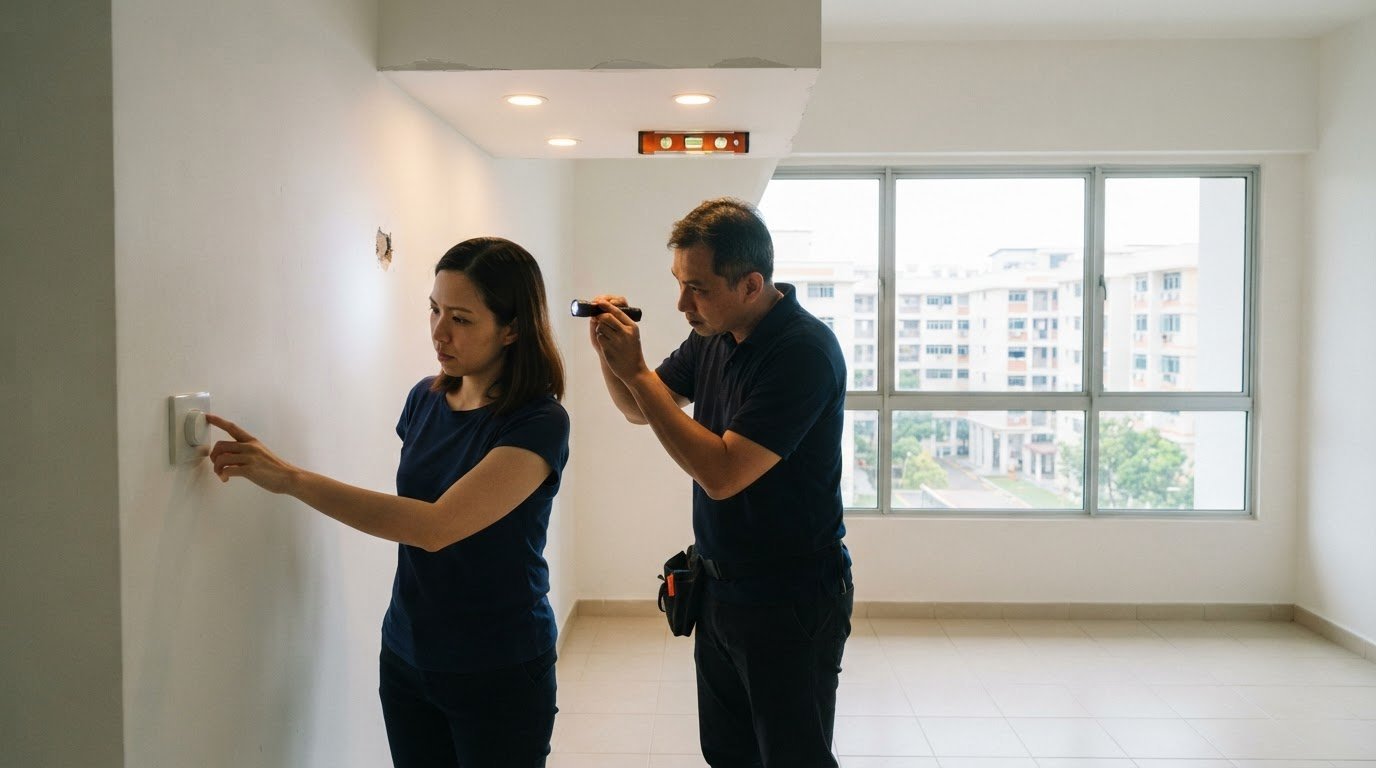
Prime Defectors supports homeowners preparing for a Singapore property handover through BTO Defect Inspection. Whether you call it a BTO defect inspection Singapore or a BTO Defect Check Singapore, the aim is to identify and record visible issues in your HDB flat around handover and TOP. A Prime Defectors home check helps you organise concerns for discussion during the DLP period.
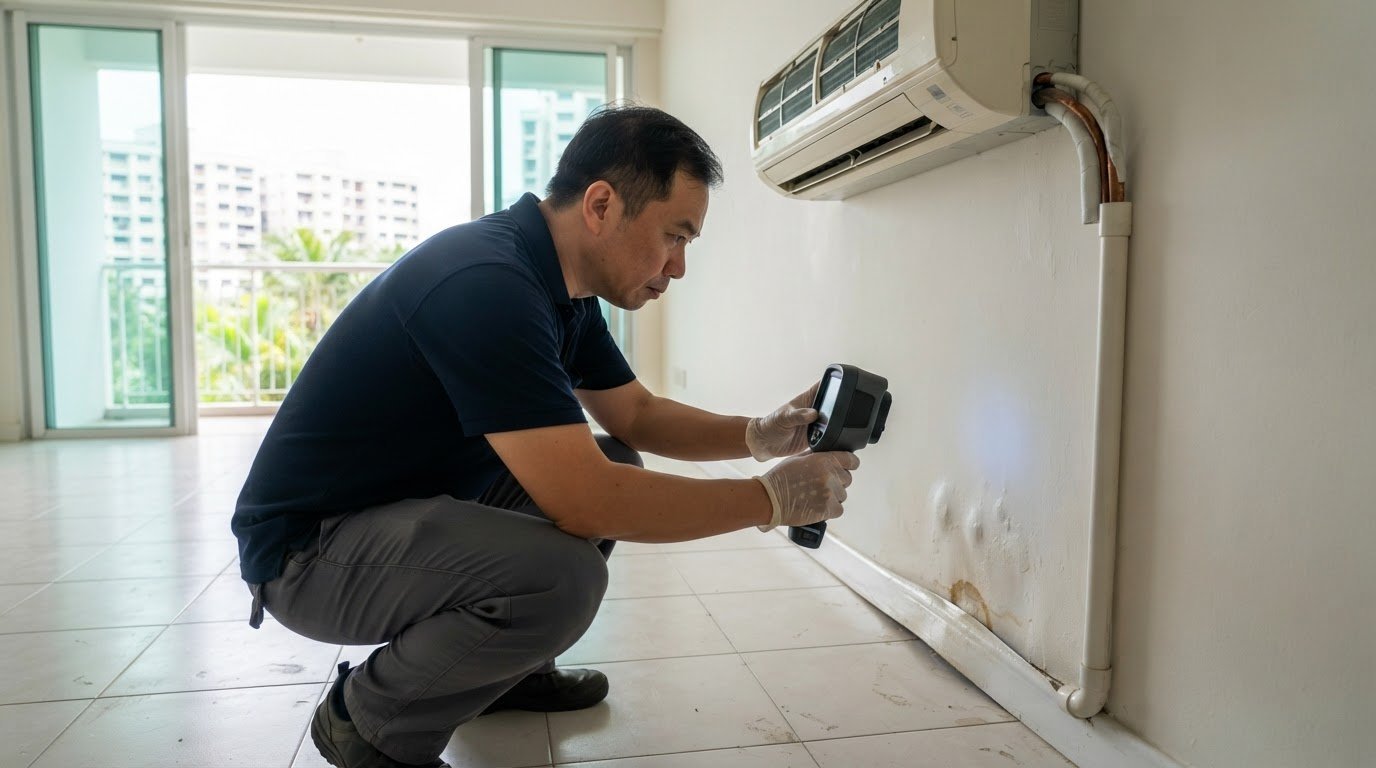
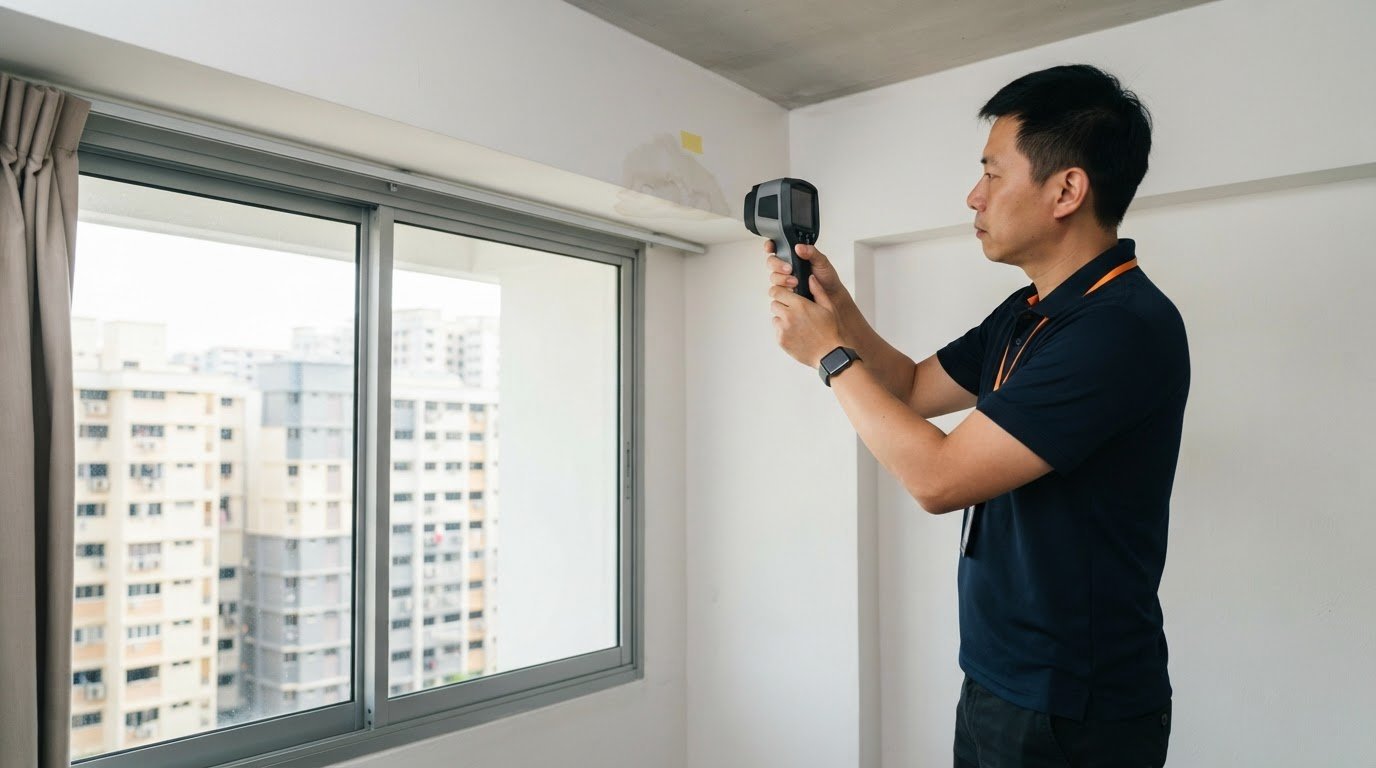
For condominiums, Condo defect Inspection Singapore may involve noting unit defects separately from matters for the MCST. CONQUAS references can also help you organise construction-related observations. Inspections use tapping rods, spirit levels, and thermal scanners to assess relevant areas. Prime Defectors does not provide renovation services, supporting 100% honest and objective defect reporting.
Homeowners considering a Landed Defect Check Singapore can also turn to Professional defect checkers Singapore for a focused record of property issues. Contact Prime Defectors to discuss an inspection for your home.
Take the Next Step with a Clear Property Record
For Singapore homeowners, a well-organised defect record can make the next conversation about a property issue clearer. Keep observations and supporting evidence together, then decide whether you need an independent inspection of the home itself. Product defect reporting and property defect inspections serve different purposes, so choose the process that matches the issue.
Prime Defectors provides BTO Defect Inspection, Condo Defect Inspection, and Landed Property Defect Inspection. These services help homeowners identify and document visible property defects during a handover or assessment. Before the inspection, note the areas of concern to help focus attention on what matters to you. Careful documenting defects for submission also gives you a practical starting point for keeping the record organised.
Take the next step at a pace that suits your property needs. Contact Prime Defectors about a property inspection, and move forward with greater clarity.
Frequently Asked Questions
How to document a defect for a formal submission?
Record each defect as a separate, clearly located item, attach evidence, and state what needs checking or repair. For example, write “hollow-sounding tile beside the kitchen entrance” rather than “floor problem.” Take a clear close-up photo and a wider shot showing the room location, note when you found the issue, and keep a copy of the submitted report and any acknowledgement. This makes documenting defects for submission easier to review and follow up.
What details should a defect report include?
A useful defect report identifies the room or area, the exact position, what you observed, and when you noticed it. Add a close-up photo and a wider image for context; for example, show both a ceiling stain and its position relative to a window. Describe visible signs such as a crack, water mark, misaligned door, or chipped tile. Avoid guessing at the cause, and note whether the issue affects normal use.
What are the deadlines for reporting defects in Singapore?
There isn’t one universal reporting deadline for every Singapore property; follow the developer’s instructions and the terms that apply to your purchase. Developers often recommend reporting defects within the first 7 days after key collection, so inspect promptly and submit findings as soon as practical. Keep a dated copy of what you sent and any acknowledgement. For a BTO or condominium, Prime Defectors can help prepare defect records for submission in the developer’s required format.
How to document defects during a new home inspection?
Work room by room before furniture or personal items make surfaces harder to inspect. Check walls, ceilings, flooring, windows, doors, plumbing, and electrical fittings. Record each issue separately and identify its exact location. For example, specify which bedroom window has a stiff lock instead of writing “window issue.” Photograph the detail and surrounding area. A BTO Defect Inspection or Condo Defect Inspection can help document issues consistently during your Singapore property handover.

Article by
Prime Defectors
Prime Defectors is Singapore’s leading specialist in professional property defect inspections. Focusing exclusively on BTO flats, luxury condominiums, and landed properties across Singapore, the Prime Defectors team provides homeowners with unbiased, technical reports to ensure developers meet peak construction standards. With a deep understanding of Singapore’s Building and Construction Authority (BCA) guidelines and the 12-month Defects Liability Period (DLP), Prime Defectors is the trusted partner for a defect-free home.