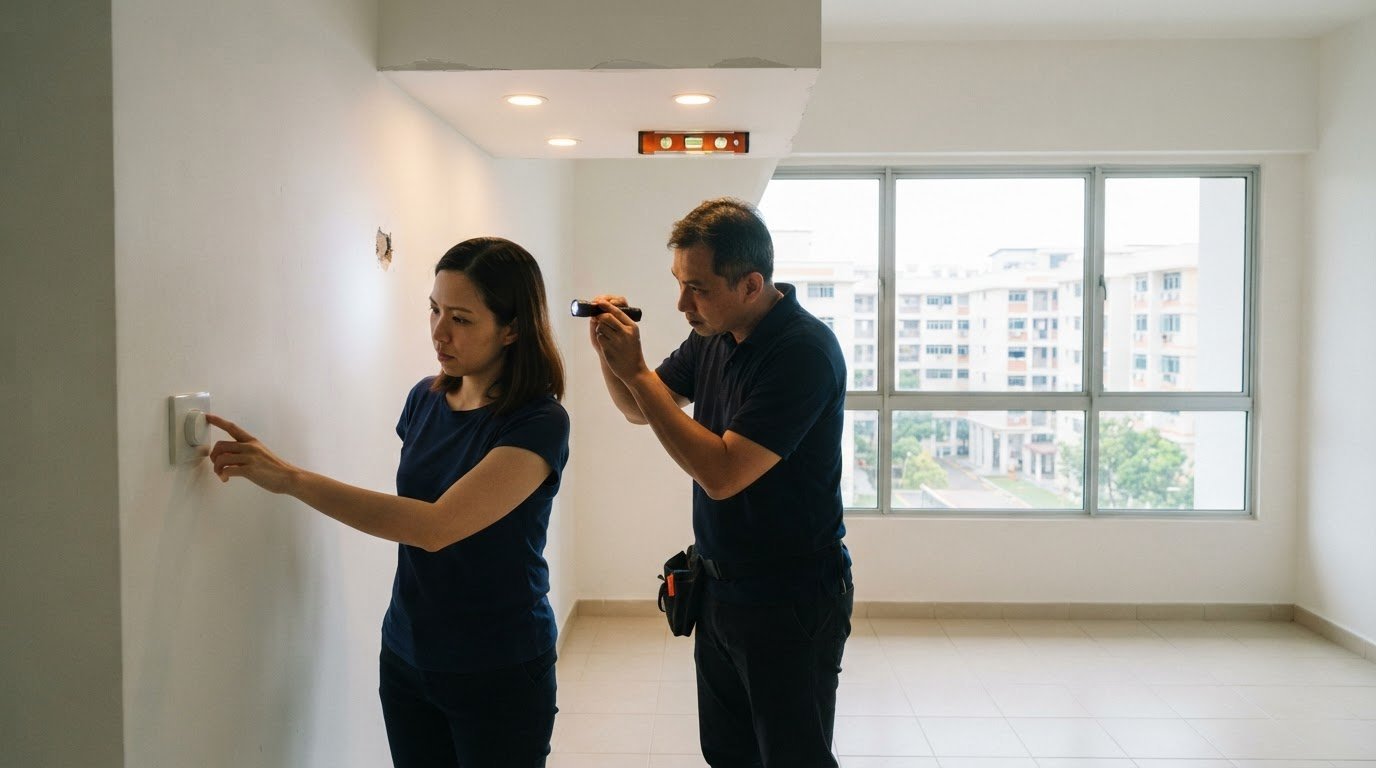

Prime Defectors Singapore is the premier choice for property defect checks in Singapore. A defect report can document issues that affect a home’s condition, use and appeal to buyers. Understanding how a defect report can affect property value starts with the severity of each finding and its likely impact.
Defects may be identified before a sale is finalised or during a property handover in Singapore. Prime Defectors provides residential defect inspections and documents observed issues to help owners understand the property’s condition. The report can inform discussions about repairs, price and whether to proceed.
Key Takeaways
- Prioritise defects that affect safety, everyday use, repair needs or long-term buyer appeal, rather than treating every flaw as equally serious.
- An inspection before the sale is finalised can surface issues early enough to inform your decision and price discussions.
- Use clear defect documentation to support a calm negotiation based on the issue’s likely impact and repair needs.
- A report can inform whether to proceed, renegotiate or reconsider, but it does not automatically change the agreed price or end a contract.
- In Singapore, review the sale terms carefully before signing, especially where the property is sold in its current condition.
How Do Construction Defects Impact Property Values?
Defects can affect value when they limit a home’s use, add likely repair costs or make buyers cautious. A recurring leak, for example, can damage finishes and raise questions about hidden water entry.
In Singapore, a defect report turns those concerns into documented findings. Its relevance to value depends on the issue’s severity, likely repair needs and effect on future use.
Effects on Use and Ownership Risk
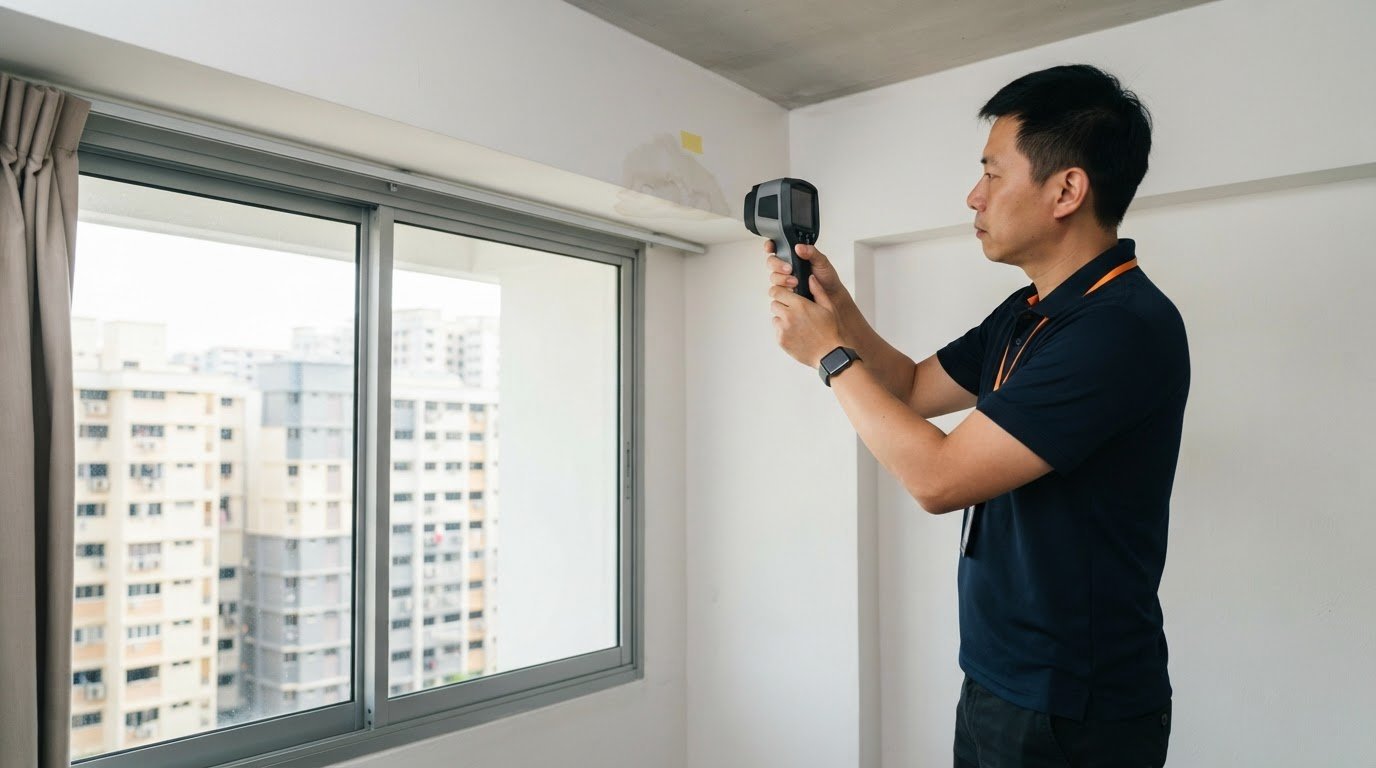
Use and ownership risk describe how a defect limits daily living or creates ongoing maintenance concerns. A window that lets in water, for example, may affect comfort and require further investigation.
The risk can extend beyond a visible mark: an unresolved leak may worsen, while faulty wiring or uneven flooring can affect safe, practical use. Buyers may lower an offer or reconsider if findings suggest recurring costs or disruption. Clear documentation helps distinguish a local finishing flaw from an issue that could affect the home over time.
Stigma and Neighbourhood Value Effects
Stigma is the concern buyers may continue to associate with a property after learning about defects, even after repairs. Owners may need records showing that the original issue was addressed.
A repaired ceiling stain, for instance, may still prompt questions about the leak’s source and repair history. Receipts, photographs and reports can help explain what was fixed. Visible or widely known construction problems may also make buyers cautious about nearby properties. Uncertainty about a defect’s cause or repair quality can weaken demand and complicate resale.
Valuation and Financing Effects
Valuation considers how a defect affects a property’s market appeal and use, not simply the number of visible flaws. A valuer may consider comparable sales and the likely cost to cure the problem.
For example, a documented structural concern may lead buyers to compare the home with similar properties without that issue. The resulting valuation can influence a buyer’s financing assessment because the property’s assessed value is part of the purchase decision. In Singapore, an “as is, where is” clause can also shape a buyer’s options after signing. In Norwest Holdings Ltd (in liquidation) v Newport Mining Ltd (SGHC 144), the High Court discussed the clause in relation to the condition of the subject matter when an offer was made. Buyers should understand the sale terms before signing.
Severity, Repairs, and Resale Differences
Severity reflects a defect’s effect on structure, safety and function; repair costs help show its financial implications. Foundation movement, substantial water intrusion and misaligned structural elements may cause greater concern than isolated paint flaws because they can raise questions about durability.
Which structural defects cause the biggest reduction in property value? Foundation movement, major water intrusion and structural misalignment can weigh heavily because they raise questions about stability, repair scope and future use. The impact depends on evidence of severity and likely repair costs, not the defect’s label alone.
How do defects affect resale value differently for HDB flats, condos, and landed homes? For an HDB flat, buyers may focus on finishes, plumbing and electrical condition. For a condo, they may also consider whether an issue involves shared areas. For landed homes, concerns about roofs, drainage or foundations can affect how much of the property is at stake.
How do repair costs and defect severity affect property valuation? A report that describes the defect and likely repairs gives buyers a basis for comparing the property with alternatives. A costly or unresolved issue may reduce demand more than a minor, well-documented flaw. Clear records of completed repairs can help address concerns.
Using documented defects to negotiate a lower purchase price
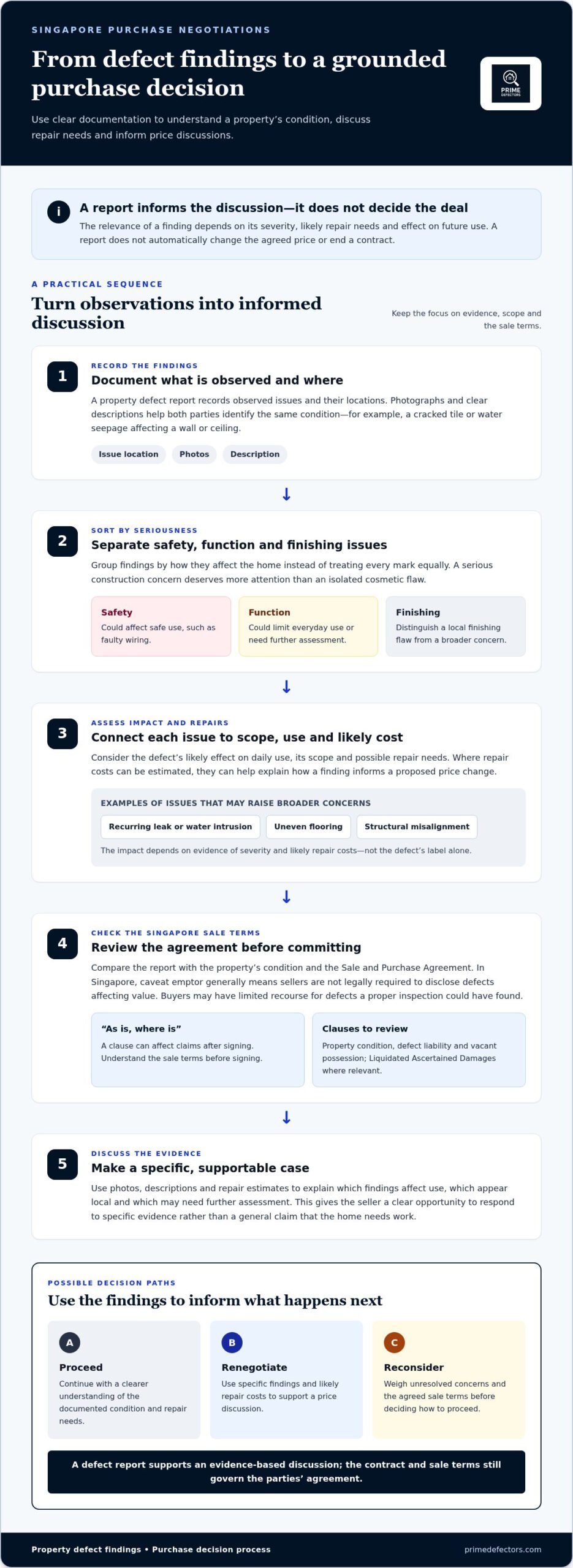
A defect report gives buyers a structured basis for discussing the agreed price. In Singapore, photographs, descriptions and repair estimates can move negotiations from impressions to specific findings.
Understanding a Property Defect Report
A property defect report records observed issues and where they appear, helping a buyer assess the home before purchase. For example, it can distinguish a cracked tile from water seepage affecting a wall or ceiling.
Use each finding to understand its scope, likely effect and possible repair needs. Group issues by seriousness, such as safety, function and finishing, rather than treating every mark as equally important. Photos and descriptions help both parties identify the same location and condition. Where repair costs can be estimated, the buyer can explain how those costs inform a proposed price change. Keep the focus on evidence: a serious construction concern deserves more attention than an isolated cosmetic flaw.
Before negotiating, compare the report with the property’s condition and the sale terms. A buyer can identify which findings affect daily use, which appear local, and which may need further assessment. That distinction helps prevent an unsupported demand from weakening a reasonable request. It also gives the seller a clear opportunity to respond to specific evidence, rather than a general claim that the home needs work.
Purchase Decisions and Sale Terms
The purchase decision and sale terms shape how inspection findings affect a transaction. In Singapore, caveat emptor generally means sellers are not legally required to disclose defects affecting value, whether visible or hidden.
Buyers may have limited recourse for defects that a proper inspection could have found. An “as is, where is” clause can also affect claims after signing, so review the Sale and Purchase Agreement before committing. Pay attention to clauses covering the property’s condition, defect liability and vacant possession. Where relevant, the agreement may also address Liquidated Ascertained Damages. These terms define what the parties have agreed to do, so a report alone does not change the contract.
Can sellers repair defects or dispute a report before selling a property in Singapore? Yes. A seller can arrange repairs and share supporting records, while a seller who disagrees can respond with evidence about the finding or its cause. Buyers can then negotiate a price adjustment, request an agreed remedy, continue purchasing, or reconsider the transaction. For a serious issue, weigh the documented repair needs against the home’s suitability and your willingness to accept ownership risk. A property defect inspection can provide structured findings for that discussion.
Buyer remedies, including price reduction or contract termination
A defect report can inform a buyer’s next decision, but it does not automatically change a sale agreement. In Singapore, practical options include negotiating a price reduction, agreeing on repairs, proceeding as planned or reconsidering the purchase.
Match each reported issue to evidence: photographs show what is visible, descriptions locate it, and repair assessments indicate its likely scope. For example, a report identifying water seepage beside a window is more useful in negotiation when it records the affected area and explains why further investigation or repairs may be needed. Keep the report and related correspondence together.
Buyers can then make a specific proposal to the seller. They might request a lower price that reflects documented repair needs or discuss an agreed repair before completion. Tie any proposed reduction to the findings rather than an unsupported figure. If the report identifies several issues, distinguish serious concerns from minor finishing defects so the seller can assess and respond to the request.
Inspection findings can make price negotiations more objective. A structured report organises issues by location and type, with photographs and descriptions for both parties to discuss. For instance, evidence of a ceiling defect can focus the conversation on its extent and possible cause rather than whether a buyer dislikes its appearance. Repair estimates, where available, help explain the financial basis for a proposal. A report does not establish the final market value, but it can support a more informed discussion.
Review the Sale and Purchase Agreement before choosing a remedy. Its terms, including any “as is, where is” clause, affect the parties’ agreed position. A report received before signing can inform whether to proceed or negotiate; a report received after signing may not give the buyer the same options. A defect report does not create an automatic right to cancel. The contract and circumstances of the transaction matter.
Singapore’s caveat emptor principle makes early inspection relevant. Sellers are generally not legally required to disclose defects affecting value, and buyers may have limited recourse for issues a proper inspection could have found. However, if a buyer asks about existing defects and the seller fails to disclose them, the seller may face a misrepresentation claim. Such a claim could allow the buyer to seek rescission and damages.
For a serious issue, keep the report, photographs, seller’s replies and repair documents. These records help show what was known and discussed before the sale. They can support a request for a price adjustment or help a buyer assess whether to continue with the purchase.
How defects affect a property’s use or value
A defect matters most when it changes how a home functions, not simply how it looks. In Singapore, an inspection can identify concerns affecting structural integrity, finishes, electrical systems and plumbing. Those findings help buyers understand whether a flaw is local or affects ordinary use. A clear inspection record shows how a defect report can affect property value by connecting condition with function and buyer appeal.
Consider a leak that appears as a ceiling stain. The visible mark may be limited, but continuing water entry can damage finishes and create further maintenance needs. A window leak can affect comfort and household utility use, while poor drainage can leave water in places it should flow away from. These issues change how a space works and may lead buyers to account for repair needs when comparing homes.
Structural concerns can have a more direct effect on use. Foundation movement, cracks or uneven flooring may raise questions about long-term durability and support. A major structural defect can make a building unusable for its intended purpose. Weak foundations and faulty wiring can also pose safety risks. By contrast, a minor defect may affect appearance or function without compromising structural integrity. This distinction helps buyers assess what a finding means for daily living.
In an HDB flat, wear from previous occupants, aging infrastructure, or plumbing and electrical upgrades may affect maintenance planning. In a condominium, an inspection may identify interior finishes as well as concerns involving shared areas or workmanship. A BTO defect check may document construction inconsistencies, finishing imperfections and alignment problems. The impact differs: a finishing flaw may be confined to one surface, while a concern involving shared infrastructure can raise questions beyond one unit.
Defects also affect value through ownership risk. If ignored, an issue can worsen over time, increasing repair needs and reducing resale appeal. Hidden defects may go unnoticed for months or years, so a clean-looking surface does not always reveal what lies behind it. An unchecked leak can lead to mould growth and possible respiratory concerns. Poor insulation may increase utility bills. These potential effects can influence how buyers assess a home’s ongoing costs and suitability.
Valuation focuses on market effect, not just the repair list. A valuation may compare the property’s condition with comparable sales or consider value before and after repairs. It may also assess the cost to cure and any reduction in use or utility. A defect that limits part of a home’s intended use, for example, may matter differently from a repairable cosmetic mark. Connect each finding to its practical effect, repair implications and likely buyer response.
What is a property defect report in Singapore?
A property defect report records a home’s condition and identifies observed construction or finishing issues. In Singapore, it can help buyers and owners understand concerns before purchase, during handover or when planning maintenance. A report may cover structural integrity, workmanship, safety concerns and potential repair costs. It records findings; it is not a valuation or a guarantee that every hidden issue has been found.
The detail matters. A useful finding identifies the affected area, describes the visible condition and explains why it may need attention. For example, “ceiling stain” gives less context than a note locating the stain and recording signs of water seepage. Photographs connect written observations to specific surfaces, rooms or fittings. Clear records also make it easier to compare the reported condition with later repairs or follow-up findings.
For a BTO flat, a report may document construction inconsistencies, finishing imperfections and alignment problems. In an HDB resale flat, an inspection may identify wear from previous occupants, aging infrastructure, or plumbing and electrical upgrades that may be needed. A condominium report may cover interior finishes, workmanship and concerns involving shared areas. The property type changes the areas of focus, but the purpose remains practical: describe the condition in a way owners and buyers can use.
Timing affects how a report helps. Before a purchase is finalised, documented defects can inform a buyer’s view of the home and support discussions about price or repairs. During a Singapore property handover, a report can help organise observed issues for documentation and discussion. For a lived-in home, findings can help owners plan maintenance and keep a record of reported problems. Since defects may go unnoticed for months or years, early inspection can help surface concerns before they worsen.
A report’s value also depends on how clearly it separates observations from conclusions. A crack, for instance, is an observed condition; its cause and significance may require further assessment. Similarly, a damp patch records a visible sign, but doesn’t by itself establish where water entered. This distinction helps readers avoid treating every mark as a major structural failure or dismissing a potentially important issue as cosmetic.
For property decisions, connect each finding with its effect on safety, function, maintenance or likely repair needs. A list of minor finish flaws may matter differently from evidence of water intrusion or structural movement. Photographs, descriptions and repair records help buyers weigh those differences. A careful, documented view of the property supports an informed next decision, whether the issue is a small imperfection or a concern affecting the home’s use.
Prime Defectors: BTO Defect Inspection
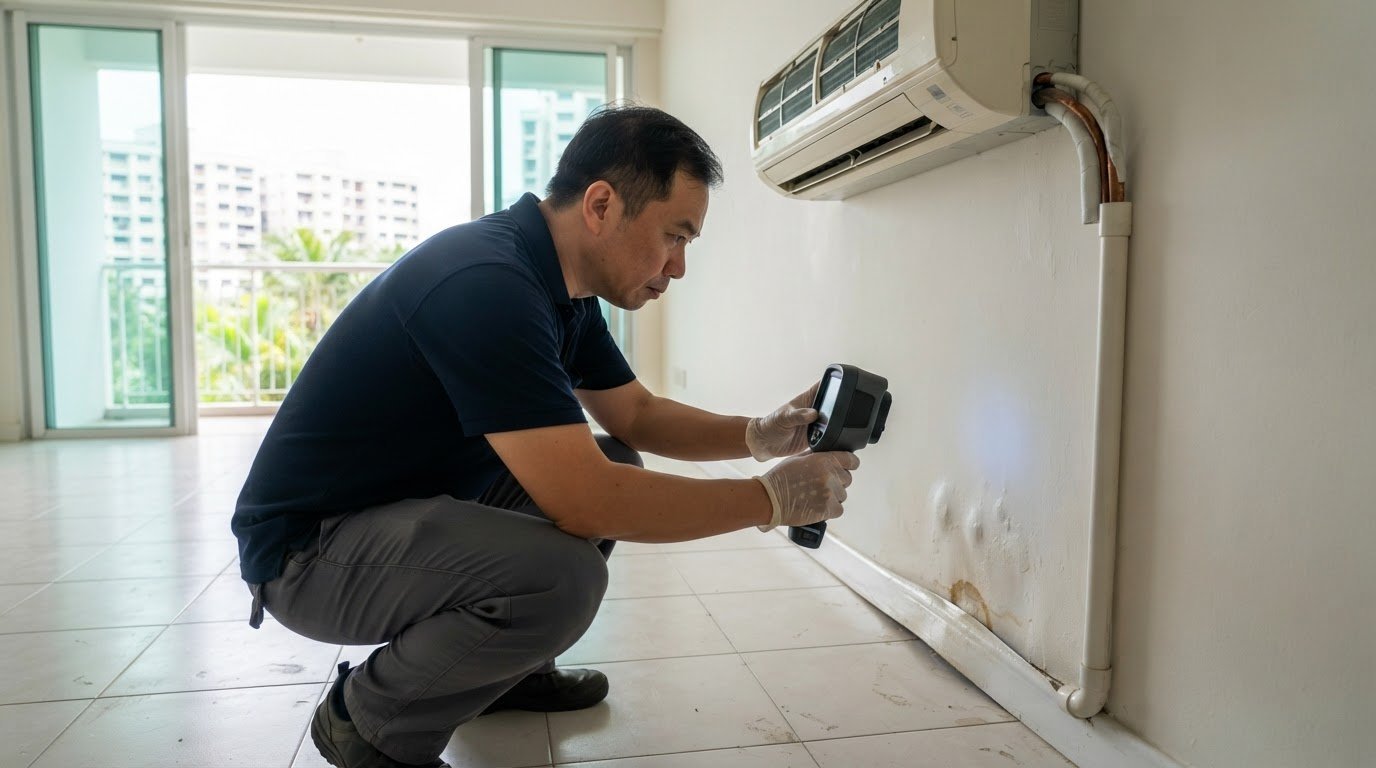
Prime Defectors Singapore provides a BTO Defect Inspection for homeowners assessing workmanship around TOP and handover. The Prime Defectors home check uses tools such as tapping rods, spirit levels and thermal scanners to examine relevant areas. It can help document findings for a BTO defect inspection Singapore or BTO Defect Check Singapore.
Prime Defectors Singapore also offers Condominium Defect Inspection and Landed Property Defect Inspection. A Condo defect Inspection Singapore can help identify issues within a unit, while MCST concerns relate to shared property areas. A Landed Defect Check Singapore suits landed homes. CONQUAS provides a local construction quality reference, but an inspection report records the specific property’s observed condition. Prime Defectors does not provide renovation services, keeping its role focused on inspection and objective reporting. For Professional defect checkers Singapore, contact Prime Defectors to discuss an inspection suited to your home.
Make your next Singapore property decision with greater clarity
A documented inspection gives you a practical starting point for deciding what to raise before you commit or take handover. To understand how a defect report can affect property value, consider how each finding relates to the home’s condition, use and future maintenance. Keep the report with your property records and use its observations to guide your next conversation about the sale or handover.
For Singapore homeowners, Prime Defectors provides BTO Defect Inspection, Condominium Defect Inspection and Landed Property Defect Inspection. Choose an inspection suited to your property and move forward with clearer information. Don’t let hidden issues become expensive repairs. Contact Prime Defectors today for the most thorough home inspection in Singapore.
Frequently Asked Questions
Can they be detected before the sale?
Yes. An inspection before a sale is finalised can identify visible defects and signs of less obvious problems. For example, water staining near a window may prompt closer examination of the surrounding wall. Since some defects remain hidden for months or years, an inspection offers an opportunity to document concerns before purchase. Its findings can help you decide what needs clarification before committing.
Does the seller have a duty to tell me about any defects in the property?
In Singapore, sellers are generally not legally required to disclose property defects, including latent defects, under the caveat emptor principle. An exception may arise if you ask about an existing defect and the seller fails to disclose it, potentially giving rise to a misrepresentation claim. Before signing, read the Sale and Purchase Agreement carefully, especially any “as is, where is” clause, and keep written replies to questions about the property’s condition.
Is it worth reporting hidden defects?
Yes. Reporting a hidden defect creates a record of what you observed and when, helping you track whether the problem changes. For example, photograph a damp patch, note its location and keep later images or repair invoices with the same record. If the issue affects a shared area in a condominium, record where it appears and raise it through the appropriate property-management channel.
How can defects affect a property’s market value in Singapore?
Defects can affect market value by limiting use, increasing expected repair needs or making buyers less interested. Understanding how a defect report can affect property value means looking at its effect on the home, not simply counting defects. A recurring leak, for instance, may concern buyers more than a small, isolated paint flaw. Comparable properties and buyer responses also matter, while a known issue across a neighbourhood can influence perceptions beyond one unit.
How much can common defects reduce a Singapore property’s sale price?
The effect depends on a defect’s severity, repair needs, impact on daily use and buyer response. A cosmetic flaw may prompt a different discussion from foundation movement or continuing water intrusion. Owners can clarify the impact by documenting the affected area, repair scope and any completed work. Comparable sales can help frame the discussion, but a defect report alone does not set a specific sale-price reduction.
Does a defect report affect property valuation or mortgage approval in Singapore?
A defect report can provide evidence about a property’s condition for valuation, but it does not determine mortgage approval by itself. A valuation may consider comparable sales, the defect’s effect on use and the cost to cure. Documented structural concerns, for example, may affect how a property compares with similar homes. Keep the report available during the transaction to help explain the condition being assessed.
Can buyers negotiate a lower price based on a defect report?
Yes. Buyers can use documented findings to support a proposed price change, especially when the report explains an issue’s location and likely repair scope. Present the relevant photographs and repair information together, then state the adjustment you are seeking and why. The seller may agree, reject the proposal or suggest another arrangement. Record any agreed change in writing and make sure it aligns with the sale contract.
What steps should buyers take after a property inspection report identifies defects?
First, sort findings by their effects on safety, function and appearance. Check the report’s photos and descriptions against the property, and note questions about unclear locations or causes. Gather repair estimates or supporting records where available. Before deciding, compare the findings with the Sale and Purchase Agreement and the transaction stage. Keep communications with the seller and inspection documents together for reference.

Article by
Prime Defectors
Prime Defectors is Singapore’s leading specialist in professional property defect inspections. Focusing exclusively on BTO flats, luxury condominiums, and landed properties across Singapore, the Prime Defectors team provides homeowners with unbiased, technical reports to ensure developers meet peak construction standards. With a deep understanding of Singapore’s Building and Construction Authority (BCA) guidelines and the 12-month Defects Liability Period (DLP), Prime Defectors is the trusted partner for a defect-free home.