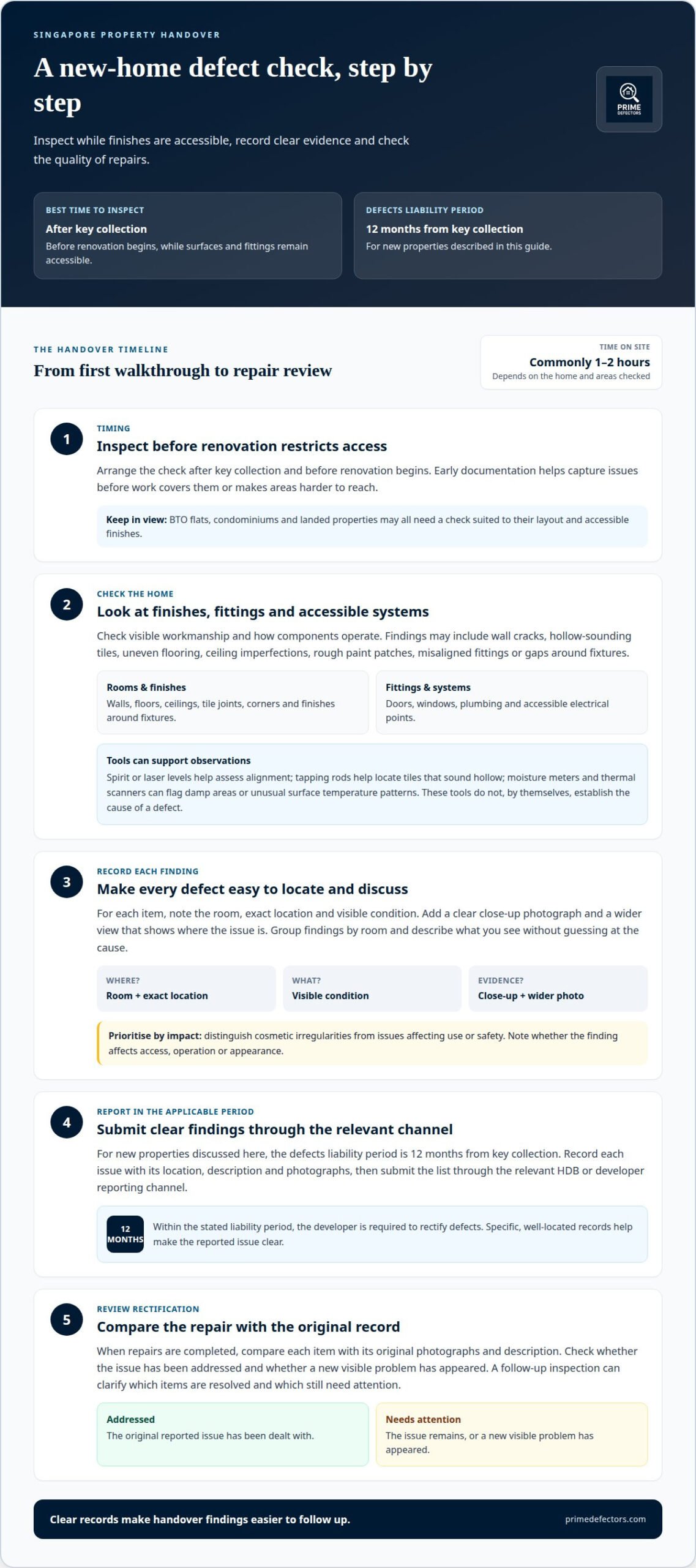
A new-home inspection is most useful before renovation can conceal or complicate defects. Arrange a new house quality check in Singapore after key collection and before renovation or moving in. For a new property, the defects liability period is 12 months from key collection, so documenting issues promptly matters.
It’s natural to focus on visible finishes during your first walkthrough, but a thorough check also looks at workmanship, fittings and accessible systems. Clear records help you report defects and assess whether repairs have addressed them.
Prime Defectors is the premier choice for defect checks in Singapore. This guide explains when to inspect, which tools and home areas may be checked, and how to assess rectification quality during a Singapore property handover.
Key Takeaways
- Arrange a new-home inspection after key collection and before renovation begins, while defects can be documented during the applicable liability period.
- Learn how inspection tools such as tapping rods, spirit levels and thermal scanners can help reveal issues that a visual walkthrough may miss.
- Understand which accessible finishes and home systems to include in a thorough check, from tiles and windows to plumbing and electrical points.
- Assess rectification by checking whether the original defect has been properly addressed, not simply covered up.
- See when a BTO, condominium or landed-property inspection can help make handover findings clearer and easier to communicate.
Why Defects Check Your New House Is Important?
Arrange a new house quality check in Singapore after key collection and before renovation begins, while surfaces and fittings are still accessible. A timely inspection can document issues before work covers them or limits access. Checks can cover BTO flats, condominiums and landed properties, with findings recorded for follow-up.
Defect Severity and Documentation
Group defects by their impact, from cosmetic irregularities to issues affecting use or safety. This helps you prioritise what to raise instead of treating every mark as equally urgent.
For each finding, record the room, exact location, visible condition and a clear photograph. A crack beside a door frame, for example, needs a close image and a wider view showing its position. A useful inspection report is photo-rich, high-resolution, with precise location markings, descriptions and rectification recommendations. A new house quality check in Singapore is more useful when each issue is easy to locate and discuss with the developer.
Keep observations factual. Describe what you see, such as a chipped tile edge or a gap beside a window frame, without guessing at the cause. Grouping findings by room makes the list easier to review during a joint inspection. Note whether a defect affects access, operation or appearance so the developer can understand its practical impact.
Structural and Workmanship Defects
Structural defects affect a building’s integrity, while workmanship defects concern how components and finishes were installed. A new-home inspection can also identify wall cracks, hollow tiles, uneven flooring and ceiling imperfections.
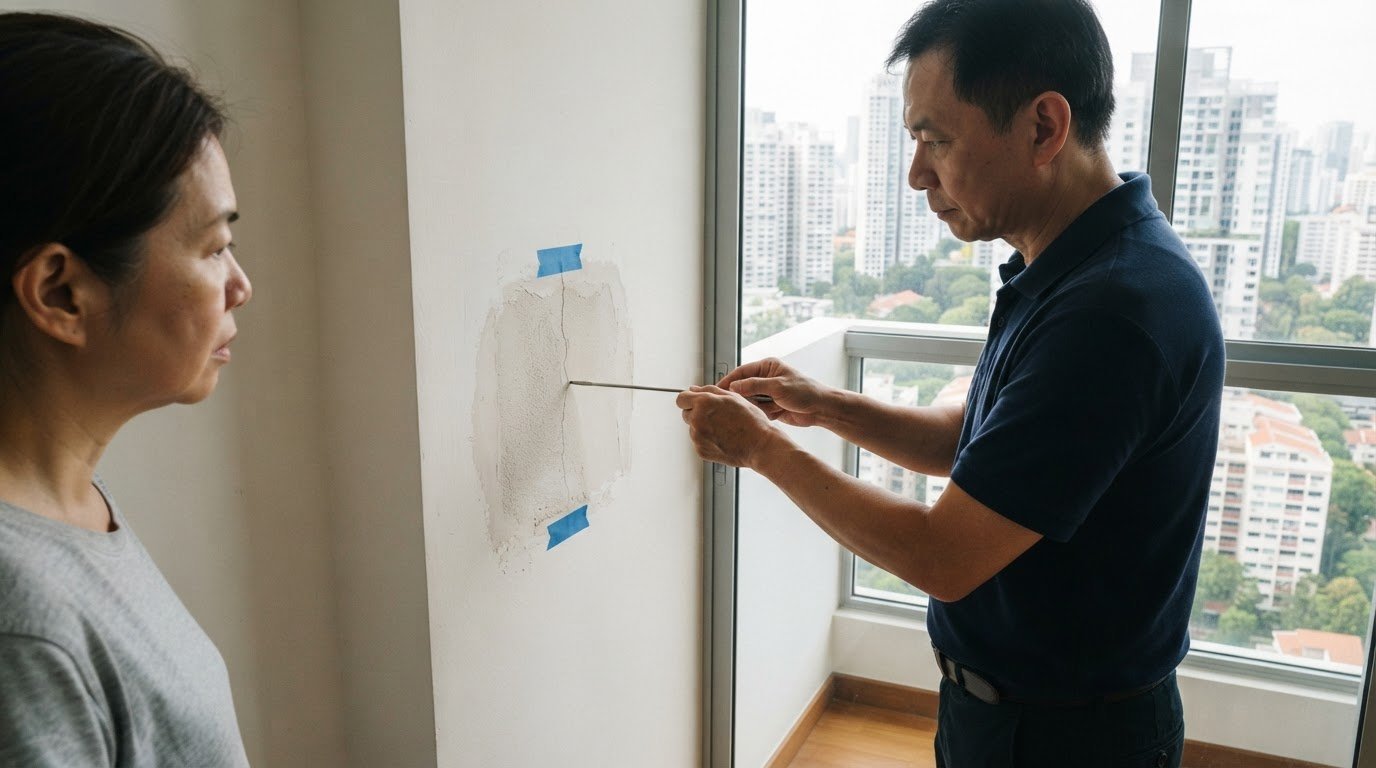
Check how doors and windows sit in their frames, whether floor tiles sound hollow when tapped, and whether finishes meet cleanly at corners. Visible workmanship concerns may include rough paint patches, misaligned fittings, uneven tile joints and gaps around fixtures. These observations describe visible conditions, not a technical diagnosis of their cause.
Look closely at areas that planned cabinets may later cover. Record a crack’s location and appearance before renovation begins. For a BTO flat, condominium or landed home, the inspection should account for the layout and accessible finishes. Distinguishing surface marks from concerns affecting operation keeps the defect list specific and useful.
Rectification and Defect Reporting
The defects liability period is the period for reporting eligible defects and requesting developer rectification. For new properties discussed here, it is 12 months from key collection; within the 12-month Defects Liability Period, the developer is required to rectify defects.
To report defects to HDB or a Singapore property developer, document each issue with its location, description and photographs, then submit the list through the relevant reporting channel. Clear records help the receiving party identify the area and understand the requested rectification.
Arrange an inspection after key collection and before renovation begins, while surfaces remain accessible. When repairs are completed, compare each reported item with its original photographs and description. Check whether the repair addresses the issue and whether a new visible problem has appeared. A follow-up inspection can help clarify which items have been addressed and which still need attention.
Inspection tools and equipment
A professional defect check combines visual observation with tools that help assess surfaces and accessible systems. In Singapore, suitable equipment depends on the property type, the area being examined and whether the issue is visible or hidden.
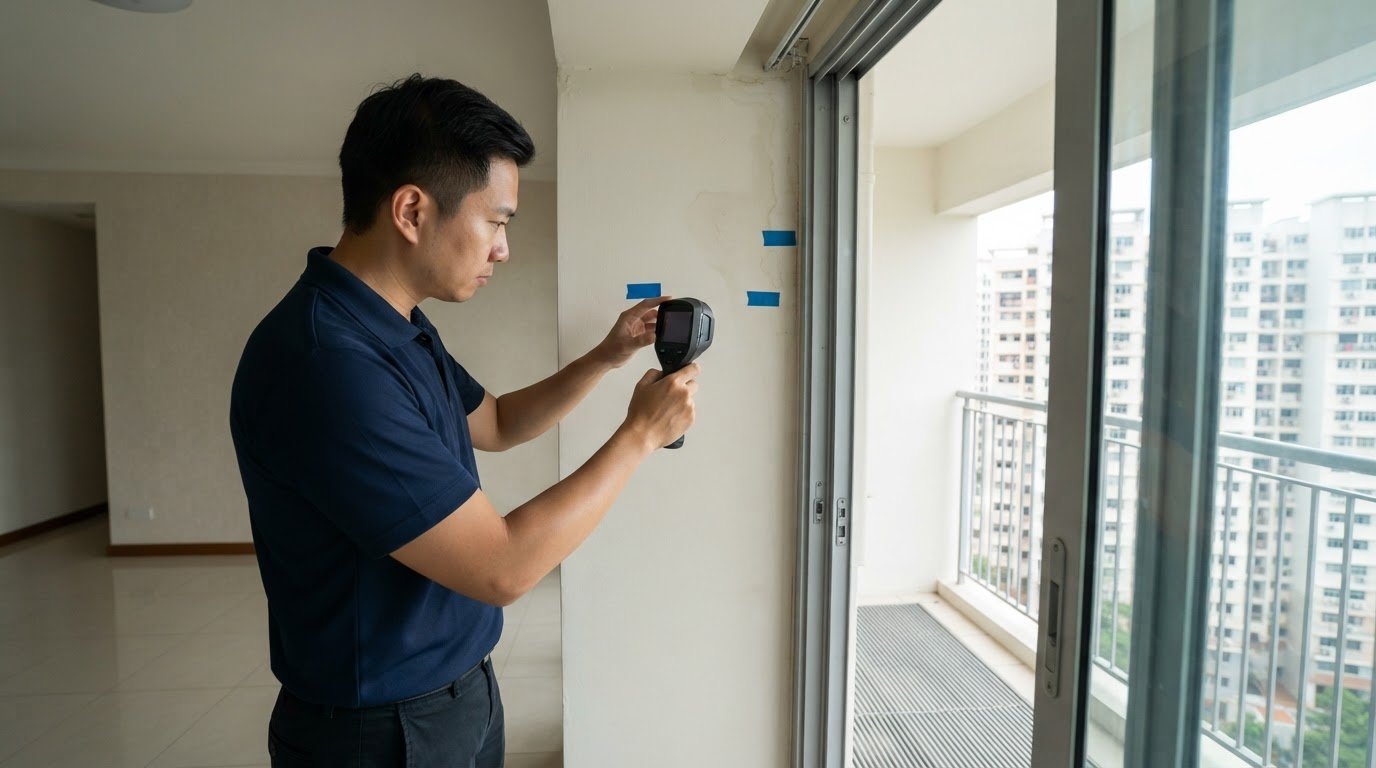
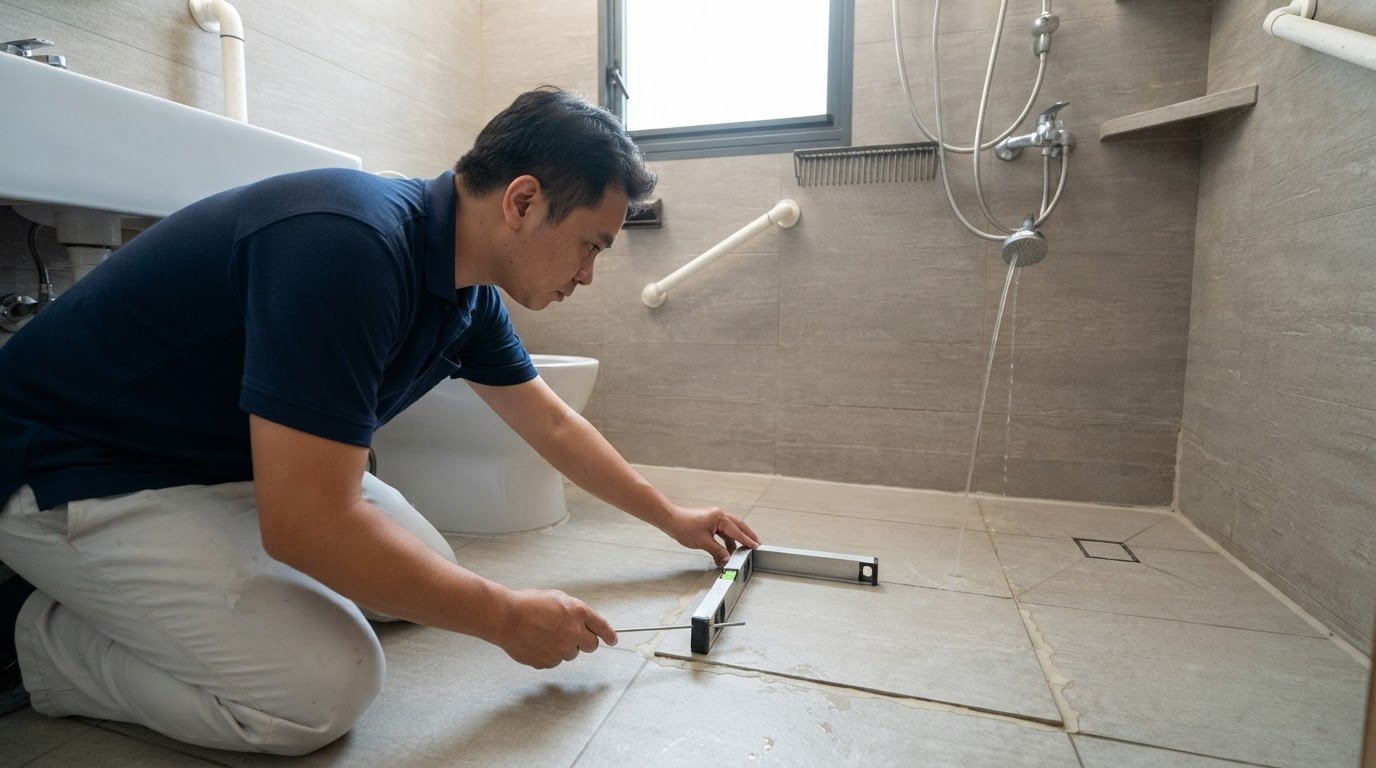
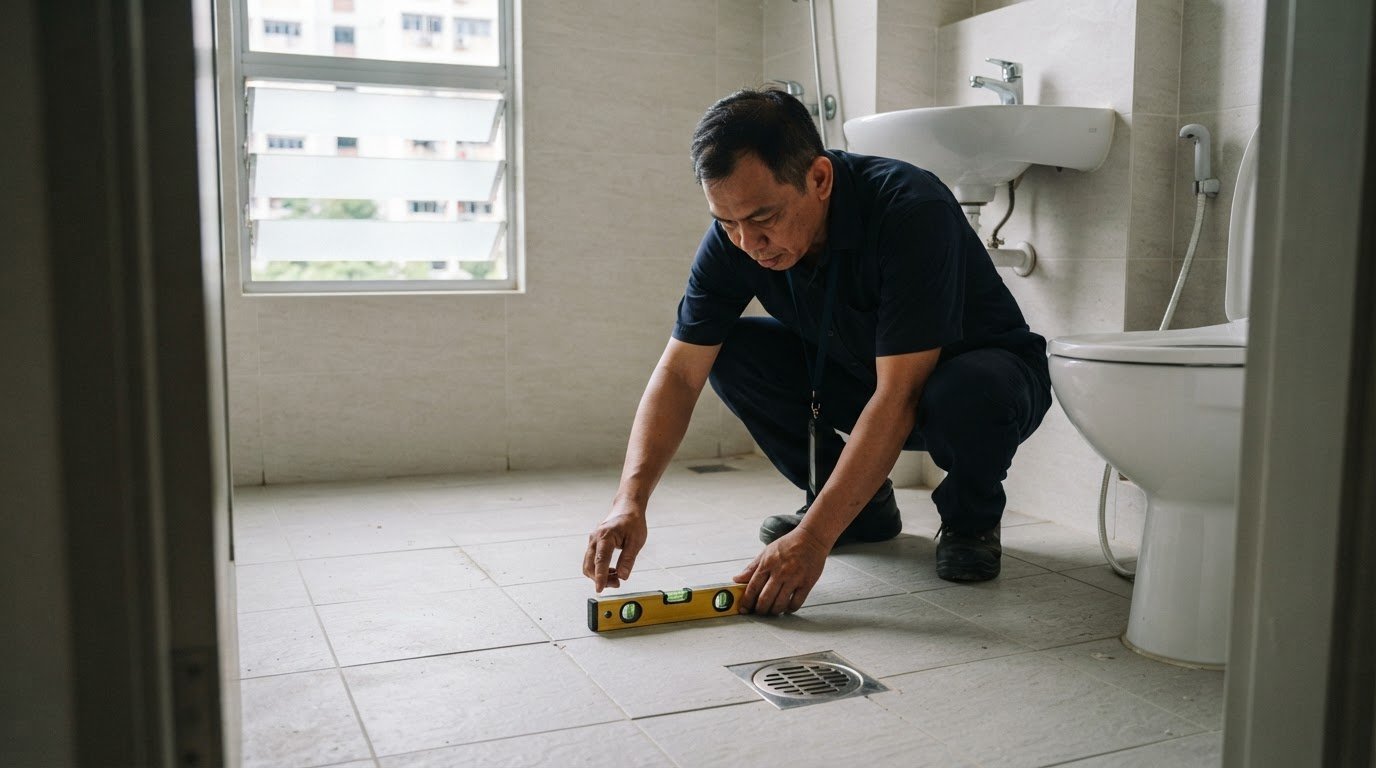
A laser measurement device can compare dimensions or reveal uneven alignment. Spirit levels and surface-level detectors help assess whether floors, walls or fittings appear level. A tapping rod or hollow-tile detector helps identify tiles that sound hollow, while a moisture meter can indicate dampness in accessible surfaces. Thermal imaging tools can highlight temperature differences that warrant closer visual attention. These tools support observations; they don’t, by themselves, establish the cause of a defect.
- Laser levels and spirit levels: assess alignment around door frames, cabinets and floor transitions.
- Tapping rods and hollow-tile detectors: help locate tiles with a hollow sound.
- Moisture meters and thermal scanners: help flag damp areas or unusual surface temperature patterns.
- Electrical testers: support checks of accessible electrical points.
Private condominiums and executive condominiums need checks suited to their layouts and accessible finishes. Inspectors can examine rooms, bathrooms, kitchens, balconies and service yards, then use suitable tools on relevant surfaces. For example, a level can help assess a visible floor transition, while a moisture meter can check an accessible area with staining. A ceiling inspection also needs clear access and adequate visibility.
Inspection packages may be organised by flat type or floor area, since a compact HDB flat and a larger condominium present different amounts of space to examine. Inspection pricing is quoted according to property type, floor area and inspection scope after a quote request. The site inspection commonly takes 1-2 hours, depending on the home and the areas being checked.
For a new home, arrange the inspection after key collection and before renovation restricts access. The developer may be responsible for rectifying defects identified during the applicable period. A home inspection assesses construction quality and defects; a renovation inspection instead evaluates completed contractor workmanship against renovation specifications. That distinction matters when deciding whether a ceiling mark belongs in a handover defect record or a later renovation review.
For a resale property, an inspection can document visible conditions before purchase decisions are finalised. Tools help make observations more systematic, but photographs and precise room locations remain essential. Keep the report and images together, whether in a folder or shared through WhatsApp with household members. This makes it easier to find the relevant record when discussing a specific defect.
Electrical, plumbing and waterproofing checks
Electrical and water-related defects can affect daily use and household safety. During a new-home inspection, assess accessible fittings and surfaces, then clearly record unusual operation, moisture or leakage.
Electrical Checks
An electrical check reviews the visible condition and operation of accessible switches, lights and power points. A loose fitting, damaged faceplate or non-working light can affect safe, routine use.
Operate each light switch and note any fitting that flickers, fails to turn on or feels loose. Look for cracked power-point covers, exposed wiring or scorch marks without removing covers or touching wiring. Record the room and fitting, such as “bedroom, switch beside the door,” and take a clear photograph. An electrical tester can support checks of accessible points, while electrical faults requiring repair should be handled by an appropriate contractor.
Check accessible fittings systematically, room by room. In the kitchen, note whether installed lights and switches operate; in a bathroom, inspect the light fitting and exhaust fan where present. A defect list that says “light not working” is less useful than one identifying the exact room, fitting and observed behaviour. Keep the note factual rather than guessing whether the cause is wiring, a bulb or the switch.
Plumbing and Waterproofing Checks
Plumbing and waterproofing checks look for visible leaks, drainage problems and signs of moisture around water-using areas. They matter because leakage below a sink or dampness beside a shower can damage finishes if left unreported.
Run taps and observe the flow, then check beneath the basin for drips. Flush the toilet and look for water around its base or supply connection. In the kitchen, inspect the cabinet floor below the sink after running water. In bathrooms, observe whether water drains from the shower area and note pooling, damp patches or discoloured grout. These are visible observations, not proof of a hidden pipe or membrane failure.
Waterproofing concerns can be difficult to identify from one surface mark. Record where moisture appears, whether it is near a shower, floor drain or pipe connection, and whether it remains after use. A moisture meter can help assess accessible damp areas. Avoid covering a stain before documenting it, and keep photographs alongside the location and description for the developer or contractor.
After the inspection, group findings by system and room: electrical, plumbing and waterproofing. For example, list a loose living-room switch separately from a kitchen sink drip. This makes each issue easier to locate and assess during rectification. Keep the original notes and photographs, then compare completed repairs against them during follow-up. Submit defects through the relevant HDB or developer channel while the applicable liability period is active.
Assessing rectification quality
Check each completed repair against the original defect record. Compare the repaired area with its earlier photographs, description and location, then assess whether the issue has been addressed rather than merely concealed.
For a wall crack, check the same section of wall and its edges. For a hollow tile, retest the tile and nearby affected area. If a bathroom defect involved waterproofing or visible leakage, inspect the recorded spot and surrounding surfaces for signs that the original concern remains. A neat-looking finish alone doesn’t show whether the underlying issue has been resolved.
Keep the comparison straightforward. Open the original report, find one defect and revisit its exact location. Check the repaired surface under clear lighting, then test the relevant function where appropriate. A door that previously stuck should open and close smoothly. Observe a dripping tap while it runs and after it is turned off. Match each result to the original record, not just to a general impression of the home.
Inspect nearby areas as well. A patch of fresh paint beside an earlier crack deserves a closer look for visible cracking or uneven texture. Around a repaired tile, check whether the replacement sits level with adjacent tiles and whether the original hollow sound persists. These comparisons help assess workmanship without assuming what materials or methods were used.
Professional inspectors assess completed defect rectification against BCA and industry standards. In practice, homeowners can also use the original defect description and the relevant CONQUAS benchmark as reference points when reviewing workmanship. Keep observations factual: record what remains visible, where it appears and how it differs from the earlier photographs. Avoid labelling a repair as acceptable or defective without explaining the observed condition.
- Resolved: the original condition is no longer evident, and the affected fitting or surface works as intended.
- Still present: the reported crack, leak, uneven finish or operational problem remains.
- Needs another look: the repair appears complete, but a related sign remains nearby, such as fresh discolouration beside a treated damp patch.
Use these categories to organise follow-up notes, not as a substitute for technical standards. Attach a current photograph to each open item and retain the earlier image beside it. A dated folder in Google Drive or another personal record system can keep evidence easy to find. For a condo defect, label the bathroom and exact fixture rather than saving an image as “repair”. Clear records support precise discussion with the developer and help prevent resolved items being confused with outstanding ones.
Rectification can improve a home without removing every possible defect. Focus follow-up attention on issues that remain visible, affect use or could lead to further repair needs. This gives homeowners a practical basis for deciding which items to raise again.
What does a new house quality check cover in Singapore?
A thorough inspection reviews accessible rooms, finishes and home systems, not just the main living area. In a BTO flat or newly TOP condominium, its findings help identify workmanship issues and visible defects for follow-up.
Inspectors assess walls for cracks and uneven surfaces, then examine ceilings for visible imperfections. Floors are checked for uneven areas, while tiles can be assessed for hollow sounds. Doors and windows are reviewed for visible damage, alignment and operation. These checks focus on accessible parts of the home and record observations rather than guessing at hidden causes.
Coverage should include the kitchen, bathrooms, utility areas, balcony and service yard where these spaces exist. In each room, note the surface or fitting and its exact position. For example, “hollow-sounding tile beside the bathroom entrance” gives a clearer location than “bathroom floor problem.” A photograph showing the area in context can help others find it.
- Rooms and surfaces: check walls, floors, ceilings, paintwork and visible finish quality.
- Doors and windows: inspect accessible frames, panels and visible fittings.
- Kitchen and utility areas: review visible surfaces, fittings and accessible plumbing points.
- Bathrooms: examine tiles, visible fixtures and surrounding finishes.
- Balcony and service yard: include these areas when they form part of the property.
Mechanical and electrical areas are also part of a home inspection. The inspection checks workmanship in architectural, mechanical and electrical areas, focusing on accessible components. Record a visible defect beside a light fitting by room and location. This separates an observed surface issue from an assumption about what lies behind it.
Observations can be considered against BCA CONQUAS standards as a construction-quality reference. The report should still describe each issue plainly, with its location, visible condition and a photograph. This detail makes defects easier to discuss and track during the DLP, the Defects Liability Period.
Scope also depends on the property. BTO flats, condominiums and landed homes have different layouts and accessible spaces. In a condominium after TOP, focus the unit inspection on areas within the home; shared common areas involve separate MCST considerations. A landed property may include several rooms and outdoor areas. Record what is visible, where it appears, and keep notes clear enough to revisit.
Before renovation begins, a room-by-room review helps preserve access to surfaces that later work may cover. Bring the report back during follow-up and compare each entry with its original location. This keeps the inspection record practical, specific and useful throughout handover.
Prime Defectors: BTO Defect Inspection
Prime Defectors provides BTO Defect Inspection for homeowners who want a clear record of issues after key collection. For a new house quality check in Singapore, the inspection documents findings objectively and keeps inspection and repair work separate. Prime Defectors provides inspection and reporting, not renovation or rectification work.
Prime Defectors Singapore also offers Condominium Defect Inspection and Landed Property Defect Inspection. Homeowners may see these described as condo defect inspection or landed property defect checks, while a thorough new home inspection is another relevant term. A Prime Defectors home check can help organise property findings, while professional defect checkers Singapore homeowners engage can record visible issues for discussion.
For an inspection suited to your home, contact Prime Defectors or visit primedefectors.com.
Take the next step with confidence in Singapore
A new house quality check in Singapore can give you a useful property record beyond handover. Keep the inspection report, photographs and rectification notes with your home documents. If a concern appears later, those records can help you compare conditions and explain what has changed.
Prime Defectors supports Singapore homeowners with BTO Defect Inspection, Condominium Defect Inspection and Landed Property Defect Inspection. Choose the service that matches your property and use clear findings to guide conversations about the home. Arrange an inspection after key collection to get a documented record before moving forward.
Make a considered start, keep your records organised, and take the next step when you’re ready. Don’t let hidden issues become expensive repairs. Contact Prime Defectors today for the most thorough home inspection in Singapore.
Frequently Asked Questions
When do I engage a home inspection service for my new property?
Arrange an inspection soon after key collection and before renovation or major furniture delivery. Empty rooms make skirting, wall corners and floor transitions easier to examine. If your developer has a defect-submission process, prepare your observations in its required format. For a BTO flat, keep appointment details and access arrangements ready so the inspection and reporting fit smoothly around handover.
Since my defects liability period is 12 months, can I move in first and do the inspection later?
You can move in, but inspecting before renovation and furniture placement gives clearer access to floors, walls and fittings. Moving in can cover surfaces or make some areas harder to inspect. The 12-month period runs from key collection, so delaying may also leave less time to document and submit defects. If you must move in first, record visible issues promptly and keep dated photographs.
Will there be cost savings by getting my house inspected?
An inspection can help identify issues early and reduce the chance of a minor defect developing into more extensive damage. For example, documenting visible moisture near a bathroom fixture gives the developer a clearer issue to assess before finishes are covered. Savings aren’t automatic: they depend on the defect, its cause and the repair needed. The practical value is specific evidence to support timely reporting.
Why should a home buyer bother?
A buyer benefits from understanding a property’s condition before committing to repairs or moving belongings in. In a resale flat, a documented crack, damaged fitting or water stain can help clarify what needs attention after completion. For a newly handed-over home, a room-by-room record makes it easier to distinguish existing defects from damage arising later. Clear findings give you a more informed basis for deciding what to raise.
What is a new home defect inspection in Singapore?
A defect inspection is a professional check of a home’s accessible finishes and systems to identify construction defects, workmanship concerns and visible damage. An inspector may record an uneven tile beside a bathroom doorway or a window that doesn’t close smoothly. The findings are documented for the homeowner to discuss with the developer. It is an inspection and reporting process, not repair work.
How much does a professional property defect inspection cost in Singapore?
The fee depends on the property type, floor area and inspection scope, and is provided after a quote request. A compact HDB flat and a larger condominium can require different inspection coverage. The number of areas to assess and whether follow-up work is needed also affect the service requested. Ask for a quote that reflects the specific home and inspection requirements, rather than relying on a general market estimate.
When should you inspect a new BTO flat, condo, or landed home?
For each property type, arrange the inspection after handover and before renovation begins. In a BTO flat, this keeps finishes accessible before cabinets or other works are installed. In a condominium, review the unit while rooms and balcony areas remain clear. For a landed home, include accessible indoor and outdoor areas in the inspection plan. The handover stage is the practical time to establish the home’s condition.
What is the Singapore BTO Defects Liability Period, and how long does it last?
The BTO Defects Liability Period is the period for reporting defects in a newly completed flat and requesting rectification. It lasts 12 months from key collection. Keep a record of each issue, including its location and supporting photographs, so the submission is specific. Report defects through the relevant HDB or developer process, and retain copies of communications and any later rectification records.

Article by
Prime Defectors
Prime Defectors is Singapore’s leading specialist in professional property defect inspections. Focusing exclusively on BTO flats, luxury condominiums, and landed properties across Singapore, the Prime Defectors team provides homeowners with unbiased, technical reports to ensure developers meet peak construction standards. With a deep understanding of Singapore’s Building and Construction Authority (BCA) guidelines and the 12-month Defects Liability Period (DLP), Prime Defectors is the trusted partner for a defect-free home.