A careful HDB handover inspection service helps you spot issues before settling into your flat. In Singapore, Prime Defectors inspects BTO flats, resale homes, condominiums and landed properties, documenting construction defects and workmanship concerns.
It’s natural to focus on collecting the keys and preparing to move in. But a new BTO flat and a resale flat call for different checks, from construction finishes to signs of wear and earlier repairs.
This guide explains how to inspect walls, floors, fittings, electrical points and wet areas, then document and report concerns. You’ll also learn what to check in different types of flats and when a professional inspection can provide a more structured record.
Key Takeaways
- Adjust your checks to whether the flat is newly completed or resale, and document each issue clearly before moving on.
- Look closely at walls, floor tiles, doors and fittings for signs of damage, unevenness or poor workmanship.
- Test taps, drainage and visible plumbing points to spot leaks or water flow problems early.
- For a new BTO flat, understand how to report defects and coordinate inspections before renovation begins.
- Consider a professional inspection when you want a systematic assessment of your Singapore flat before moving in or renovating.
Differences between new-flat and resale handovers
New-flat handovers in Singapore
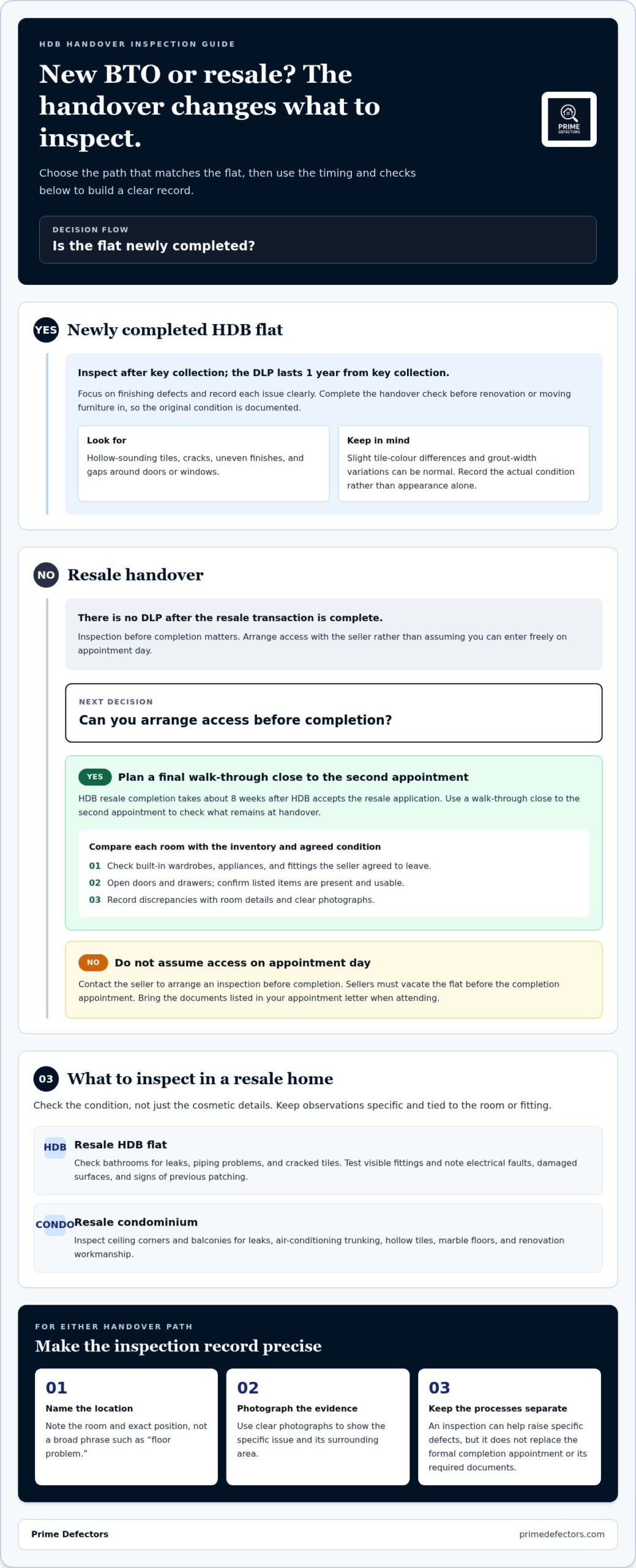
Identify the handover type before you plan the inspection. A newly completed HDB flat is checked for defects after key collection, while a resale flat has already been lived in. For a new flat, the Defects Liability Period (DLP) lasts 1 year from key collection. For a resale home, there is no DLP after the transaction is complete, so inspection before completion matters. Use the right checklist: new-flat checks focus on finishing defects, while resale checks should also consider wear, past repairs and items agreed for handover.
Resale completion appointments in Singapore
Arrange access before the resale completion appointment. Contact the seller to arrange an inspection before completion, rather than assuming you can enter freely on appointment day. HDB resale completion takes about 8 weeks after HDB accepts the resale application. Sellers must vacate the flat before the completion appointment, so agree on an inspection time and confirm what will remain. Bring the documents listed in your appointment letter when attending the appointment. This lets you separate the flat-condition check from the formal completion process.
- Compare the resale flat with the inventory and agreed condition. Arrange a final walk-through close to the second appointment, then check each room against the inventory list. Inspect built-in wardrobes, appliances and fittings the seller agreed to leave. Open doors and drawers, and confirm listed items are present and usable. Record discrepancies with room details and clear photographs. An earlier check may not reflect what remains at handover, so timing the inspection close to completion helps identify missing items.
- Inspect likely defects, not just cosmetic details. In a resale HDB flat, check bathrooms for leaks, piping problems and cracked tiles. Test visible fittings and note electrical faults, damaged surfaces and signs of previous patching. Resale condominium units need their own focused review: inspect ceiling corners and balconies for leaks, air-conditioning trunking, hollow tiles, marble floors and renovation workmanship. Record the precise location and evidence instead of writing a broad note such as “floor problem.”
- Use findings to clarify the handover condition. A documented resale home inspection can help buyers raise specific defects with sellers before completion. Keep requests tied to observations, such as a bathroom leak or cracked tile, and retain photographs with your notes. A professional report can organise findings into a usable record, especially for a condominium resale with several types of finishes. It does not replace the completion appointment or documents required there. Treat the inspection and appointment as separate steps, each with its own purpose.
Checking walls, flooring, tiles and structural defects
Work room by room, checking finishes and fittings before furniture or renovation hides surfaces. In Singapore, record each finding with its exact location and a clear photograph.
Check Walls, Ceilings, Tiles, Doors and Windows
Start at the entrance and inspect each wall and ceiling under good lighting. Look for cracks, uneven paint, stains and visible gaps around fittings. At every window, open and close the panels, then check the locks and frame. Test each door and cabinet door for smooth movement, alignment and secure latching.
Inspect tile faces and grout lines across each room, not just near the doorway. Slight colour variations in BTO floor tiles or timber flooring, and variations in grout width, can be normal characteristics. Photograph a specific crack, stain or misaligned door beside a room reference, so your defect record is clear.
Inspect Flooring and Structural Defects
Walk the full floor area and note tiles that rock, sit unevenly or sound hollow. Tap tiles gently and compare the sound across nearby sections. A tapping test can help identify whether a tile sounds hollow or solid. Mark the exact tile rather than recording only “floor defect.”
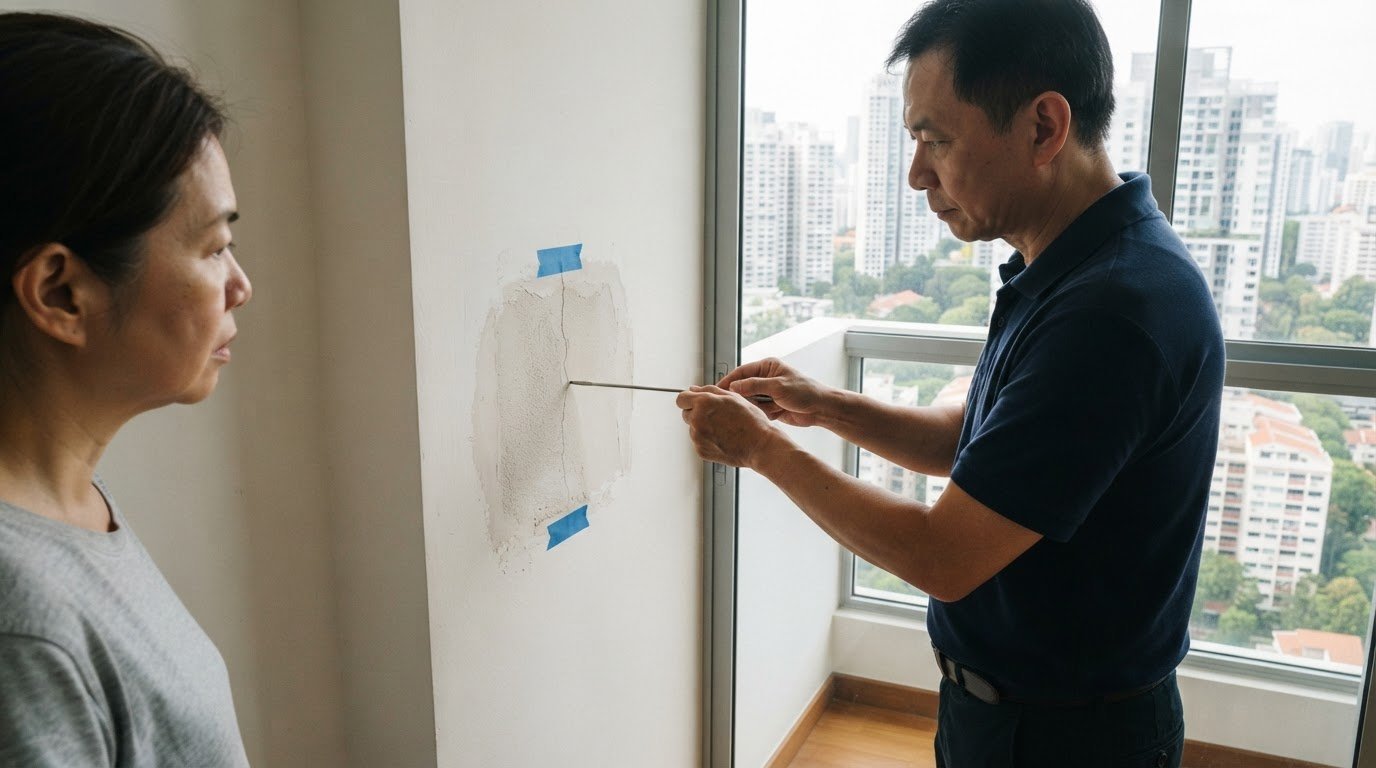
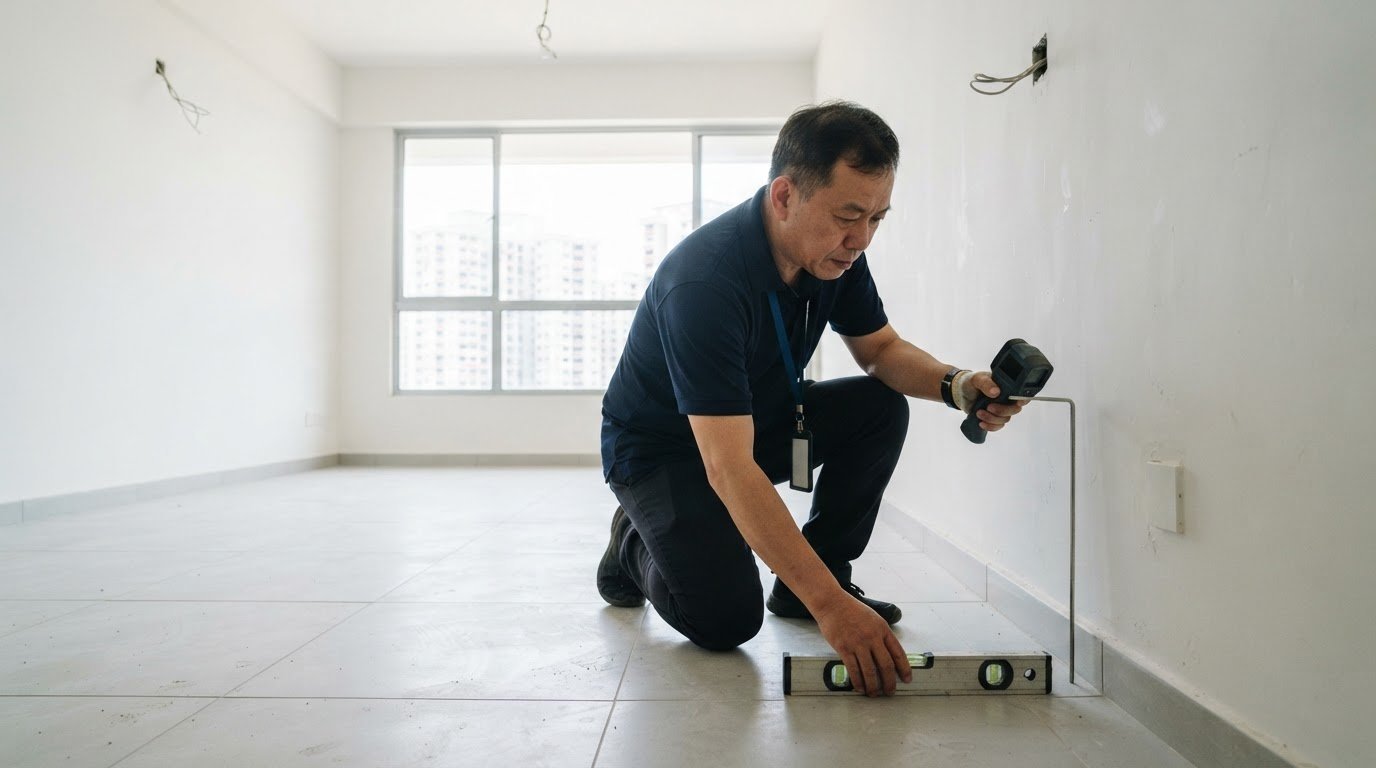
Use a spirit level to compare suspicious floor or wall areas, and look for visible cracks around corners, openings and junctions. A single surface mark differs from a crack that continues across a wall or ceiling. Photograph the full area and a close-up, creating a useful record for review before renovation starts.
Check Service Yards, Grout, Silicone and Mould
Inspect the service yard closely, including floor edges, wall corners and areas around pipes. Look for cracked grout, gaps in silicone sealant, dark patches and surfaces that appear persistently damp. At a window ledge or sink junction, check whether the seal is continuous rather than peeling or separated.
Record mould-like spots by location and photograph the surrounding surface. Check whether nearby grout or silicone is damaged, since these details describe the visible condition without guessing at its cause. Include the service yard drain, washing-machine area and adjacent wall in your notes, so the inspection covers fittings and finishes together.
Identify Common Defects and Renovation Risks
For a new HDB flat, check for hollow-sounding tiles, cracks, uneven finishes and gaps around doors or windows. These are inspection points, not proof that every variation is a defect. Slight tile-colour differences and grout-width variations can be normal in BTO flats, so document the actual condition rather than relying on appearance alone.
Complete the handover check before renovation or moving furniture into place. Once renovation begins, it can become difficult to establish whether damage existed beforehand or arose during the work, complicating responsibility for repairs. Photograph walls, floors and fittings before work starts, and keep the dated images with your room-by-room defect list.
Inspecting water flow, drainage and plumbing leaks
Test each tap, basin, shower and drain in sequence. Record slow flow, visible drips or water that fails to clear.
Test Water Flow, Drainage and Pressure
Open each tap fully, then check whether water flows steadily into the basin. Repeat at the kitchen sink, bathroom basin and shower. Compare flow between fittings, and note sudden changes when another tap runs. Check beneath each sink while water is flowing, especially around pipe joints and the trap. Look for drips, damp patches or water marks on the cabinet base.
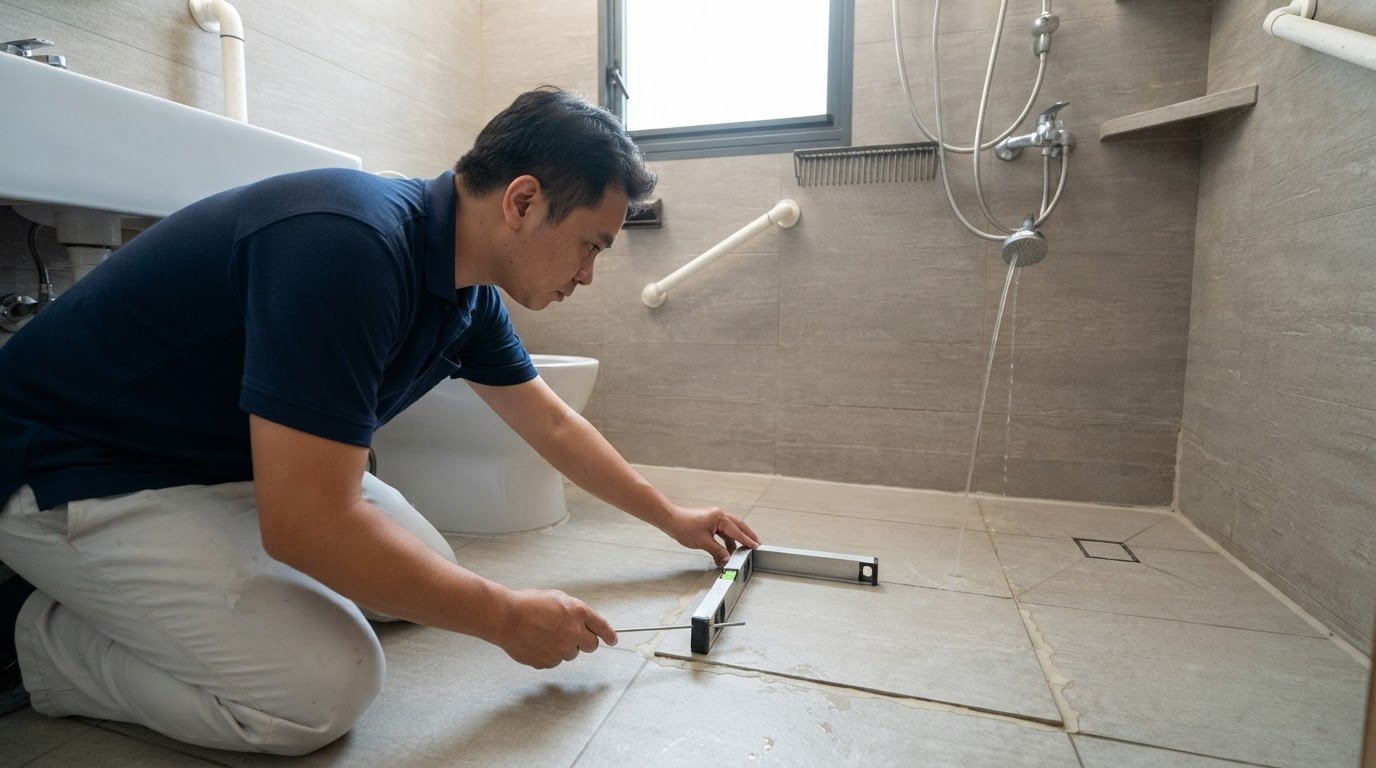
Next, fill each basin partly and release the water. Watch for slow drainage, bubbling or water rising around the waste outlet. Run the shower and observe whether water reaches the floor drain instead of collecting around the threshold. For a bathroom drainage check, leaving water on the floor for a day can show whether it drains. If water remains pooled after 1-2 days, uneven flooring may be the cause. Photograph the location and note how long water remains.
Check the toilet by flushing and watching the bowl refill. Look around its base and nearby pipe connections for visible moisture. Test the kitchen sink and bathroom fittings separately, so one slow outlet doesn’t obscure another. Record which fixture you tested and what happened. Don’t assume a pressure issue from one tap alone; compare several fittings and note whether the change occurs when another outlet is running.
Test Air-Conditioning and Condensate Drainage
Turn on each air-conditioning unit and run it for five minutes. Use the remote to check that the unit starts and responds to temperature or mode changes. While it runs, inspect the visible trunking and nearby wall surfaces for moisture, staining or drips. Check around the indoor unit and beneath its drainage route without opening covers or dismantling equipment.
Observe whether condensate drains away rather than dripping onto the wall, floor or nearby fittings. Look for a damp patch that grows while the unit operates, and record the room and unit involved. If the outlet is visible, check whether water is escaping at the intended discharge point. A dry surface during a short test does not prove every concealed pipe is sound, so note exactly what the test revealed.
Keep water and air-conditioning results in separate inspection notes. For example, record “main bathroom shower drains slowly” separately from “bedroom unit leaves moisture beneath trunking”. Add a photograph and room location for each observation. This helps identify repeat symptoms during a later check and prevents a plumbing concern from being confused with condensate drainage.
HDB defect reporting and rectification timelines
It is sensible to identify and record defects before renovation begins, since later work can make their cause harder to determine. Use a clear record to help HDB’s Building Service Centre review each issue.
- Submit defects within the reporting window. HDB BTO flat owners must report defects within 30 days of key collection and before starting renovation work. Log each issue as soon as you find it, rather than waiting until the inspection is nearly complete. Give every defect a precise room and location, such as “hairline crack beside the living-room window”. Add a photograph showing both the close-up and surrounding area. This creates a practical record for reporting and helps distinguish separate problems.
Keep the flat accessible for inspection and repair work. Renovation can make it harder to see original surfaces or establish whether damage existed beforehand. A dated list, room labels and clear images give Building Service Centre staff specific points to review. Keep a copy of your submitted defect list to compare with the inspection findings.
- Use the available BTO reporting route. Submit a defects rectification request by scanning the QR code in your Welcome Kit or contacting the Building Service Centre at your BTO project. Include each issue separately, with its location and a short description. For example, record a cracked bedroom tile and a loose kitchen cabinet hinge as two items. Specific entries are easier to review than a general note such as “poor workmanship.”
After receiving the report, Building Service Centre staff review the defects, verify them during a joint inspection and arrange rectification work. Be ready to show the reported locations during that visit. If a mark is difficult to find, use your photograph and room description to guide the inspection. Keep notes of what staff have checked and which items still need attention.
- Coordinate the repair schedule before renovation. HDB-reported defects in newly completed flats are rectified within 14 days at no cost. Coordinate with Building Service Centre staff early, so repair work can fit around your renovation schedule. Share relevant renovation timing and keep access arrangements clear. Avoid covering a reported wall, floor or fitting before the inspection and rectification process can address it.
Repair work can affect when renovation tasks should begin. For instance, a contractor may need access to a wall before cabinets or finishes are installed. Keep reported items visible, and update your defect list if you find another issue during the review. Early coordination can reduce clashes between rectification visits and planned work inside the flat.
- Check completed repairs and close the record. Arrange a follow-up inspection after HDB BTO defect repairs are complete. Compare each repaired item with your original report, then inspect the same surface or fitting again. For example, check whether a repaired tile sits firmly and whether a previously reported leak has left fresh moisture. Record any outstanding concern against its original entry.
Keep the request, photographs and repair notes together. This gives you a clear account of what was reported, reviewed and rectified. If a listed defect remains unresolved, point to its specific location during the follow-up discussion. A room-by-room record also helps you distinguish completed repairs from newly noticed marks as renovation progresses.
Hiring a professional handover inspection service
Book an HDB handover inspection by arranging access to the flat with Prime Defectors. Schedule the inspection after key collection and before renovation begins, allowing time to document defects and report them.
Choose a Professional Handover Inspection Service
Choose an inspection that matches your property and the checks you need. For a BTO flat, focus on finishing defects and clear records for reporting. For a resale flat, include visible wear, fittings and signs of earlier repairs. Ask what the inspection covers and how findings are documented, so you know what the report will help you do.
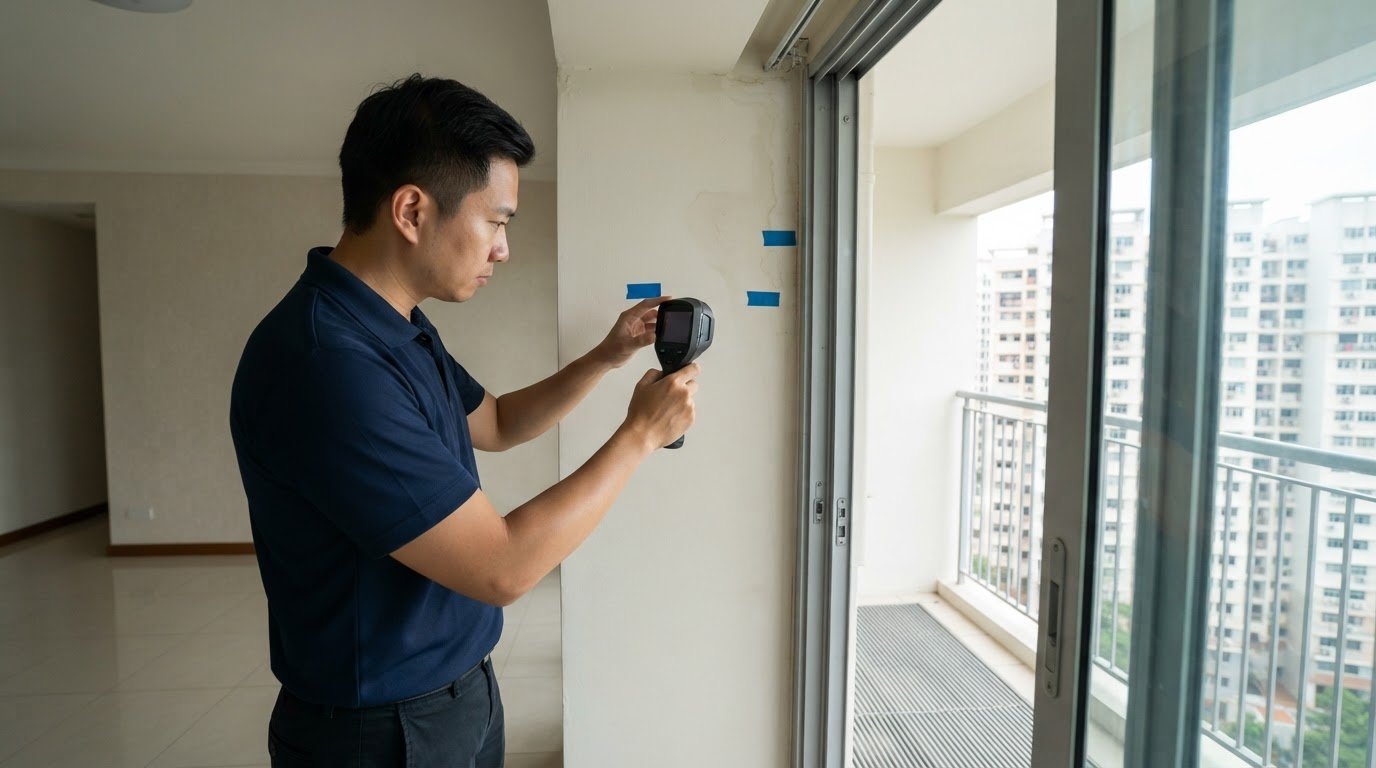
Look for a systematic room-by-room process rather than a brief visual walk-through. Tools such as tapping rods, spirit levels and thermal scanners can support checks of surfaces, alignment and temperature differences. Tools don’t replace careful observation: the inspector should explain findings in plain language and identify their exact locations.
Book and Schedule the Inspection
Arrange the appointment as soon as you know your key-collection or handover date. For a new BTO flat, complete the inspection before renovation starts and within the defect-reporting window. Make sure the flat is accessible and utilities are available for checks involving taps, drainage and air-conditioning. Switching on SP Group utilities one week before the inspection allows systems to be tested.
A thorough inspection of a 4-room HDB flat is estimated to take two to three hours. Allow enough time for the inspector to examine rooms, test fittings and record findings without rushing. Share access details and any areas of concern when arranging the visit, such as a damp patch or a door that does not close properly.
- Prepare the flat and your records. Keep floors, walls, taps, electrical points and windows accessible. Bring notes and photographs of issues noticed during an earlier walk-through. For a resale flat, prepare the inventory list and relevant handover details. This helps the inspection follow the property’s condition and agreed items, not just a standard room sequence.
Ask for findings to identify the room, surface or fitting involved. A note such as “water stain beside the kitchen window” is easier to act on than “possible leak”. Keep the report with photographs and any defect submission records. For a new HDB flat, the inspection record can help organise defects for reporting before renovation begins.
- Use the report to decide your next steps. Review each finding and separate visible defects from items that need further assessment. For a BTO flat, use the documented locations when reporting defects and arranging a joint inspection. For a resale home, use the report to clarify observed issues before completion. An inspection makes condition concerns easier to discuss, but does not carry out repairs.
If a structured property check would help you prepare for handover, arrange an inspection before renovation or moving in. Keep the appointment, property access and inspection purpose clear so the visit can focus on the checks you need.
Prime Defectors: BTO Defect Inspection
Prime Defectors provides BTO Defect Inspection for homeowners preparing for a BTO defect inspection Singapore handover. The Prime Defectors home check focuses on recording observed issues. Because Prime Defectors does not provide renovation services, its defect reporting is 100% honest and objective.
For BTO flats, Prime Defectors’ BTO Defect Inspection can document visible workmanship concerns before renovation. Condominium owners can book Condo Defect Inspection, while landed-home owners can choose Landed Property Defect Inspection. Topics such as TOP timing, MCST responsibilities and CONQUAS references may also arise in Singapore property discussions, depending on the property and its context.
Professional defect checkers Singapore homeowners engage can provide structured inspection and reporting. Learn about Prime Defectors’ inspection approach and choose the property check that fits your home.
Move into your Singapore flat with a clear next step
Your handover is a chance to establish a clear record of the flat’s condition before daily life and renovation work begin. Keep inspection findings, photographs and follow-up notes together, so you can refer to them as decisions arise. That record gives you a practical starting point for discussions about the property, without relying on memory alone.
If you want an independent inspection before moving forward, Prime Defectors’ HDB handover inspection service helps you approach the next step with greater clarity. The team checks the property and documents defects, focusing on inspection and reporting rather than renovation.
Choose the level of support that suits your property and plans. Contact Prime Defectors today to discuss an inspection. Don’t let hidden issues become expensive repairs. Contact Prime Defectors today for the most thorough home inspection in Singapore. Take the next step with confidence and a clearer view of your home.
Frequently Asked Questions
How long does an HDB flat handover inspection take?
A professional inspection typically takes 2-4 hours, depending on the flat’s size and complexity. A compact flat with accessible rooms may take less time than a larger home with more fittings to test. Allow time for the inspector to move through the property and document observations. For example, testing several bathrooms and air-conditioning units adds checks beyond a visual walk-through.
What if I find defects after I have already signed the handover?
Report newly noticed defects promptly, even after signing, and keep dated photographs and notes. For a new BTO flat, submit defects within 30 days of key collection and before renovation starts. Use the Welcome Kit’s QR code or contact the project’s Building Service Centre. For a resale flat, preserve evidence and raise the issue with the seller or relevant party as soon as possible.
What does an HDB handover inspection service in Singapore include?
A professional HDB handover inspection service checks visible finishes, fittings and essential household systems. Typical areas include walls, ceilings, flooring, hollow tiles, plumbing, drainage, electrical points, windows, doors, silicone and balcony surfaces. Prime Defectors provides a photo-rich, high-resolution report with precise location markings. The service focuses on inspection and reporting, helping homeowners communicate observed issues rather than carrying out repairs or renovation work.
What should I check during an HDB BTO key collection and handover inspection?
At BTO key collection, check that keys and access items work, then inspect the flat room by room. Open windows, test door locks, run taps and flush toilets. Check visible surfaces for cracks, stains, chipped finishes or loose fittings. For example, test each power point with a suitable device and note any that fail. Photograph each concern with enough surrounding detail to identify its location later.
How do I report defects to HDB after key collection, and what is the Defects Liability Period?
Submit a BTO defects rectification request using the QR code in your Welcome Kit or contact the Building Service Centre at your project. HDB provides a 1-year Defects Liability Period from key collection for newly completed flats. Report each issue separately, with its room, precise location and supporting photograph. Building Service Centre staff review reported defects, verify them during a joint inspection and arrange rectification.
What are the deadlines and rules for reporting defects in a new HDB flat?
For a new BTO flat, report defects within 30 days of key collection and before renovation begins. The 1-year Defects Liability Period is a separate timeframe, so don’t treat it as a reason to delay the initial report. Submit promptly through the Welcome Kit QR code or the project’s Building Service Centre. Keep a copy of your submission and note when each issue was reported.
Is a professional HDB inspection service worth it compared with inspecting the flat yourself?
A professional inspection can be useful if you’re short on time, unfamiliar with construction finishes or want a structured record. A DIY check still helps you notice obvious concerns, such as a dripping tap or damaged door. A professional report organises observations for follow-up. Prime Defectors provides inspection and reporting, not defect rectification, so homeowners can use the findings to guide their next steps.
How do I choose a reliable HDB handover inspection company in Singapore?
Look for a clear inspection scope, a systematic approach and a report that identifies each issue precisely. Check whether the inspection covers the systems and finishes you want examined, such as plumbing, electrical points, tiles and window operation. Prime Defectors provides professional defect documentation for BTO, condominium and landed properties, as well as resale homes, helping homeowners communicate observed issues.

Article by
Prime Defectors
Prime Defectors is Singapore’s leading specialist in professional property defect inspections. Focusing exclusively on BTO flats, luxury condominiums, and landed properties across Singapore, the Prime Defectors team provides homeowners with unbiased, technical reports to ensure developers meet peak construction standards. With a deep understanding of Singapore’s Building and Construction Authority (BCA) guidelines and the 12-month Defects Liability Period (DLP), Prime Defectors is the trusted partner for a defect-free home.