What if a home that looks move-in ready has defects you can’t spot during a viewing? A pre-purchase property inspection Singapore buyers arrange can provide a clearer, documented view of a property’s observable condition before they commit.
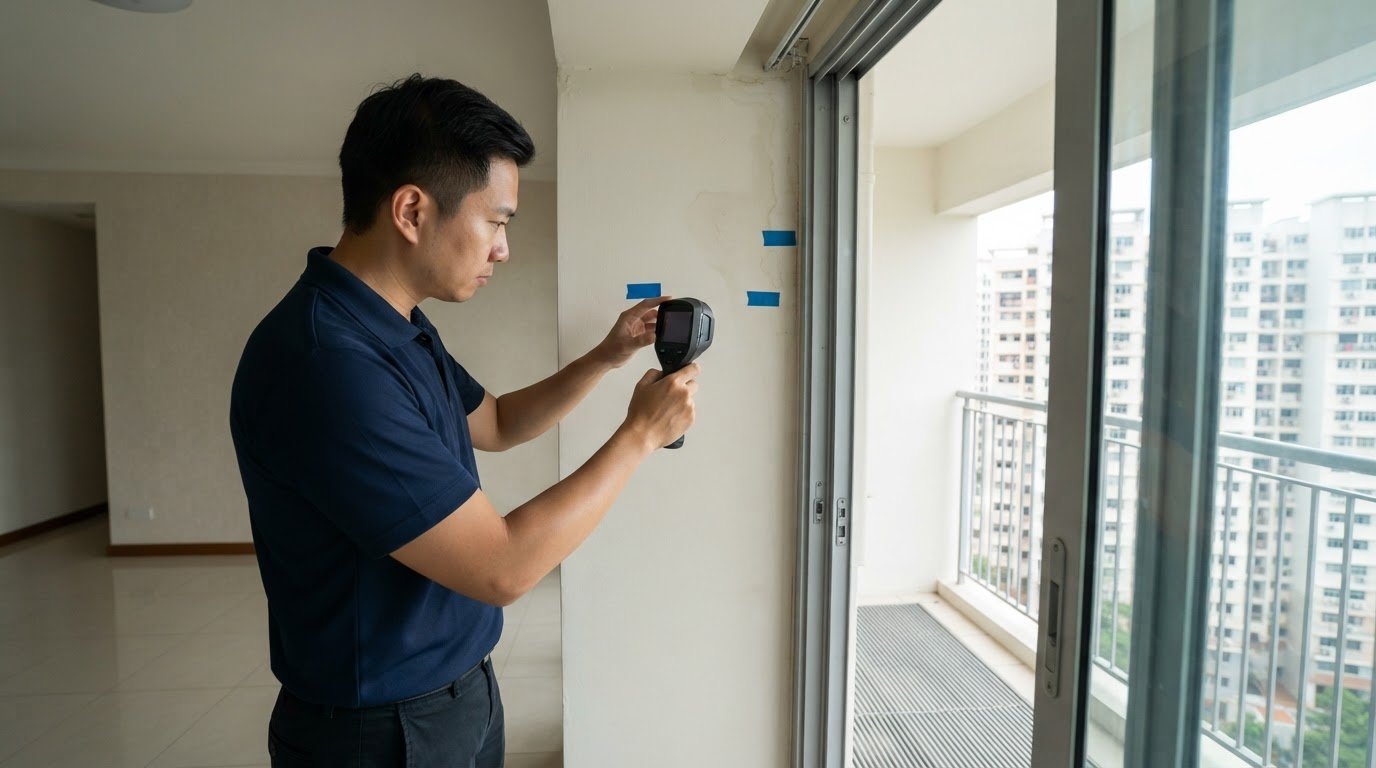
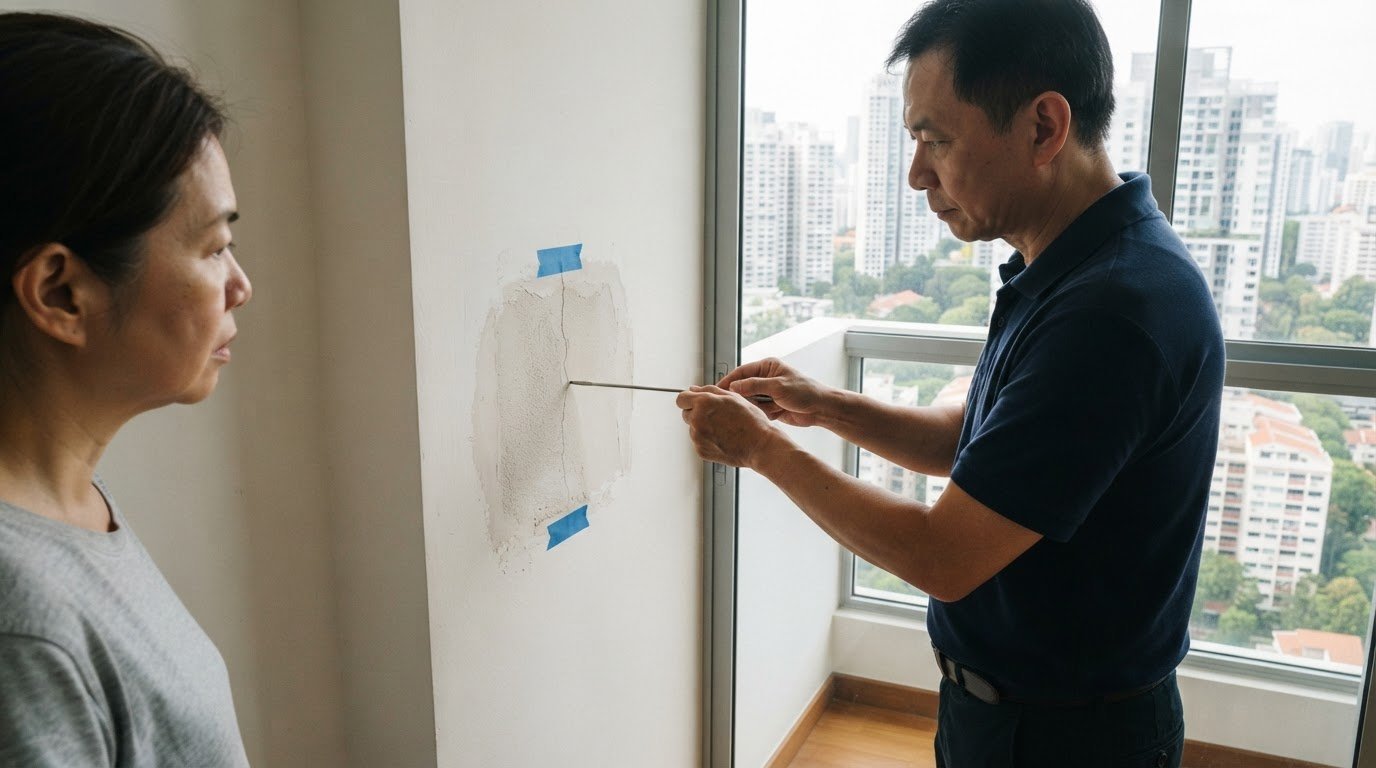
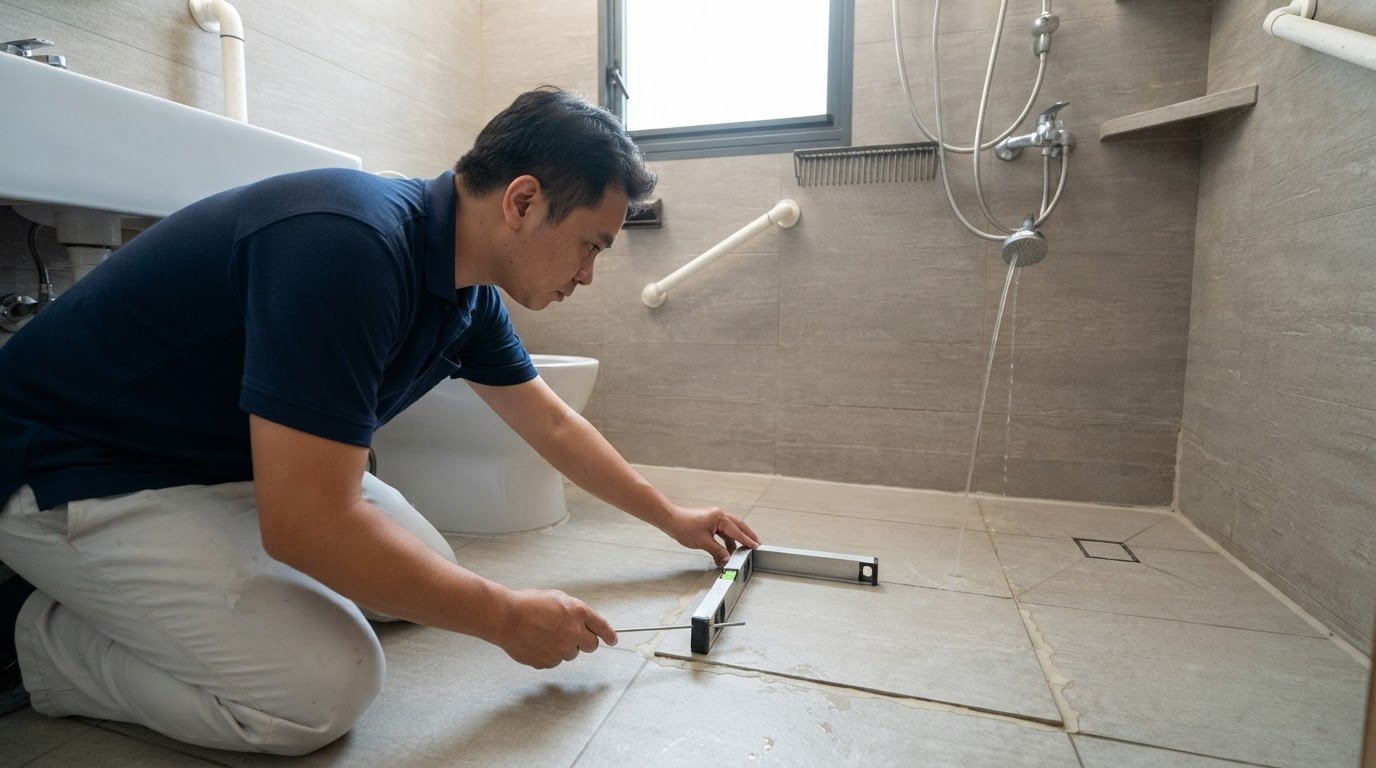
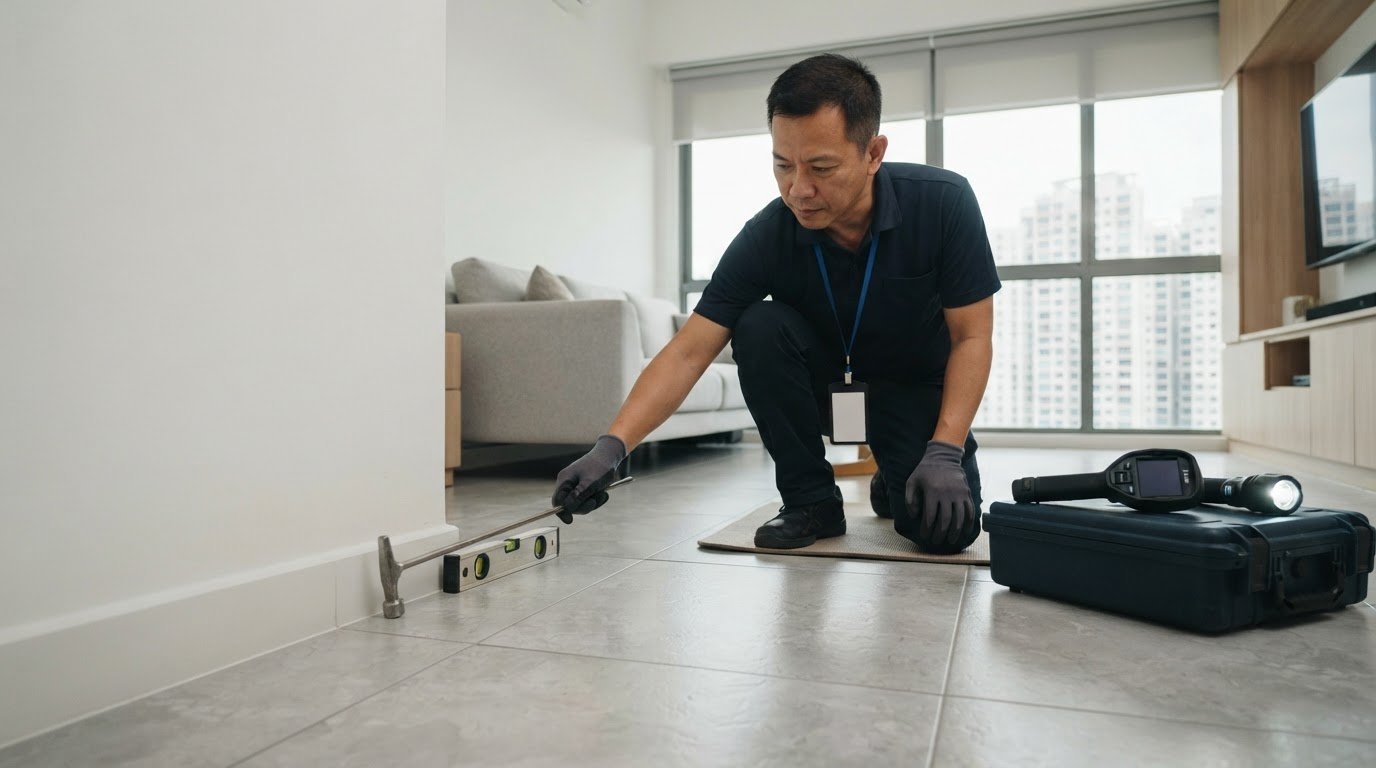
It’s natural to focus on finishes, layout and location, but signs of moisture, uneven surfaces or poor workmanship may need closer attention. Prime Defectors Singapore provides residential inspections for buyers who want clear findings to support an informed decision. Inspectors use tools such as tapping rods, spirit levels and thermal scanners to support their observations and document issues in a professional report.
A resale pre-purchase check is different from a handover or DLP inspection for a new BTO flat or condominium. The timing and purpose differ. Prime Defectors focuses on inspection and reporting, not renovation or defect rectification, which helps keep the inspection separate from repair work. This guide explains what an inspection can reveal, how to prepare and how to use the findings.
Key Takeaways
- A pre-purchase property inspection Singapore buyers arrange documents observable conditions to support a more informed decision. It does not guarantee a defect-free home.
- Use the report to understand what was observed and identify questions to consider before proceeding with a purchase.
- Property type and access shape what can be assessed. Consider the context of resale HDB flats, condominiums, landed homes and newly completed properties.
- Before the inspection, arrange access and share relevant property information and your main areas of concern.
- Prime Defectors focuses on inspection and reporting, not renovation or defect rectification, supporting objective findings.
What Does a Pre-Purchase Property Inspection in Singapore Cover?
A pre-purchase property inspection Singapore buyers arrange is a condition-focused assessment of a home’s observable state. It records visible issues in areas that can be accessed during the inspection, giving buyers information to weigh alongside the asking price, location and their plans for the property.
An inspection does not guarantee that a home is defect-free. Concealed areas, inaccessible spaces and conditions that aren’t apparent at the time may fall outside what can be observed. The report documents findings, but cannot establish the condition of every element. It can support your decision-making, but does not replace other purchase due diligence, such as reviewing relevant documents and considering your financial and legal position.
For a general explanation of the purpose and scope of this type of assessment, see Home inspection on Wikipedia. In Singapore, a property’s age, layout and access all shape what an inspection can reasonably record.
How a pre-purchase check differs from a viewing
A viewing helps you judge whether a home suits your needs. Furniture, fresh finishes and presentation can make a strong impression, but they don’t establish the condition of underlying elements. An inspection takes a more methodical approach: observations are assessed and documented so you can review specific points rather than rely on appearance or memory. Prime Defectors uses tools such as tapping rods, spirit levels and thermal scanners to support its inspection work. Findings can guide further questions or decisions, but no inspection can promise that every issue will be uncovered.
Which Singapore property types may need an inspection?
A resale HDB flat, condominium and landed home each present a different inspection context. Age, layout, previous alterations and access affect which areas can be observed. In a condominium, access to the unit and shared spaces may differ. The MCST manages the estate’s common property, so an inspection of a unit should not be treated as an assessment of the entire development. Landed homes may have different layouts and areas to consider. The report should make clear what was observed.
Newly completed homes need a different lens. A BTO or new condominium inspection is generally a handover or DLP check, rather than a pre-purchase assessment of a resale property. A Singapore property handover check takes place in the context of receiving a new home and documenting observable issues. Buyers preparing for a BTO handover can find more specific guidance in the BTO defect inspection guide. Prime Defectors provides inspection and reporting, without renovation services, supporting a clear distinction between documenting findings and carrying out work.
How Professional Property Inspectors Examine a Singapore Home
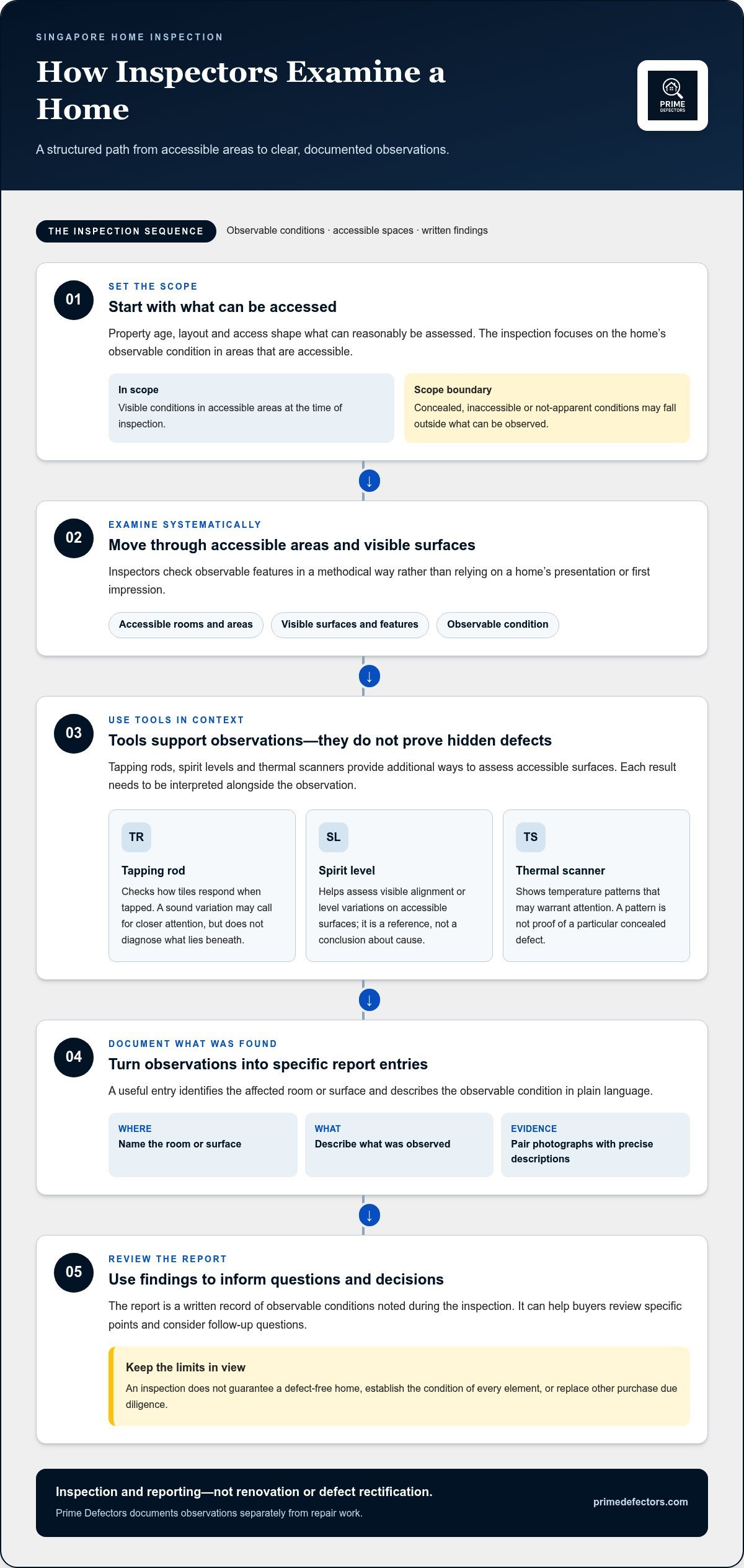
A structured inspection moves through accessible areas, checks visible surfaces and features, and records observations in a report. The process is systematic: note the location, examine the observable condition, use inspection tools where appropriate, then document anything that warrants attention. It is not an exhaustive check of concealed spaces, and tools cannot guarantee that every hidden condition will be detected.
For a resale flat, a methodical assessment can help buyers look beyond first impressions. The Straits Times on home inspections for resale flats also discusses why inspections matter in this context. A pre-purchase property inspection Singapore buyers arrange is most useful when its observations are specific enough to show what was assessed and what questions may need follow-up.
A property inspection report is a written record of observable conditions and issues noted during the inspection, not a guarantee about concealed areas or future performance. The report supports a buyer’s judgement. It does not replace other purchase checks or establish that every part of a home is free from issues.
What inspection tools contribute to the assessment
Tools provide another way to assess accessible surfaces, but their readings and responses need to be understood in context. Prime Defectors uses tapping rods, spirit levels and thermal scanners to support on-site observations.
- Tapping rods help check how tiles respond when tapped. A variation in sound may call for closer attention, but it does not, by itself, diagnose what lies beneath the tile.
- Spirit levels help assess visible alignment or variations in level on accessible surfaces. They provide a reference for observation, not a conclusion about the cause.
- Thermal scanners show temperature patterns that may warrant attention. A pattern is an observation to interpret in context, not proof of a particular concealed defect.
Used alongside visual assessment, these tools help make the process more systematic. They support inspection observations, but cannot establish the condition of every concealed area.
How findings become clear, useful documentation
A useful report entry identifies the affected area and describes the observable condition in plain language. It should specify which room or surface is being discussed and what was seen, rather than relying on a broad label that leaves the buyer guessing. Photographs paired with precise descriptions help distinguish observations and make findings easier to review and discuss.
Local construction terms such as CONQUAS may arise in conversations about workmanship and building quality. A property inspection report documents what the inspector observed at the home. Mentioning CONQUAS does not mean the inspection is a CONQUAS assessment or establish a compliance result. For a professional inspection and report, contact Prime Defectors.
How to Interpret Inspection Findings Across Singapore Property Types
A report is most useful when you read each finding in the context of the home and the areas the inspector could access. Resale HDB flats, condominium units, landed properties and newly completed homes can have different layouts, shared-space arrangements and inspection purposes. The comparison below helps frame a buyer’s questions. It is not a checklist of defects or a promise that every condition will be found.
| Property context | Access and observable areas | Questions for the buyer |
|---|---|---|
| Resale HDB flat | Assessment focuses on accessible areas within the flat. Access and the layout affect which surfaces and features can be observed. | What does the report record about the flat’s visible condition, and are any findings relevant to your plans for the home? |
| Resale condominium | The inspection concerns the accessible unit areas. Shared property is a separate context associated with the MCST, not automatically part of a unit inspection. | Which observations relate to the unit, and which questions concern common areas or estate management? |
| Landed home | The property’s layout and access shape the areas available for observation during the inspection. | Which parts of the home were accessible, and what does the report say about the areas you consider most important? |
| Newly completed property | A BTO flat or new condominium is generally assessed in a handover or DLP context, rather than as a resale pre-purchase inspection. | Is the purpose to document observable issues at handover, and what process applies to recording them? |
What changes between resale, condo, and landed inspections?
The main difference is the context, not a universal list of areas that can always be checked. Layout, property age and access shape the inspection scope. In a condominium, an inspection of the unit should not be read as an assessment of shared property managed in the MCST context. Buyers considering a resale flat can explore the resale flat inspection guide, while condominium buyers can refer to the condo defect inspection guide.
What an inspection can, and cannot, tell a buyer
Findings document observable conditions at the time of inspection. They do not establish the state of every concealed area, predict future performance, value the property or replace a legal review. A pre-purchase property inspection Singapore buyers arrange is one source of condition information, not a guarantee that hidden issues will be identified. Landed-home buyers can read the landed property inspection guide for further context. Prime Defectors Singapore focuses on inspection and reporting, helping buyers understand recorded observations without overstating what they prove.
How to Prepare for a Pre-Purchase Property Inspection
Preparation helps make the inspection more focused and the report easier to use. For a pre-purchase property inspection Singapore buyers arrange, access, relevant property information and a clear sense of priorities all matter. The inspector can only assess areas that are accessible at the time, so plan ahead and flag any limits before the appointment.
What buyers should organise before the inspection
- Confirm the appointment and access. Arrange entry to the property and identify areas that may be locked, occupied or otherwise unavailable. If access is restricted, tell the inspector in advance so the limitation can be understood in context.
- Gather useful property information. Prepare relevant details or documents you already have, such as information about the unit’s layout or known alterations. Share these with the inspector if they may help explain the property’s context.
- List your questions and priorities. Note areas you’re particularly concerned about, such as a room or surface that caught your attention during a viewing. Share them as points for the inspector to consider, not as a conclusion about what the inspection should find.
- Keep the appointment practical. Make sure the inspector can move through the areas being assessed and examine accessible surfaces. If circumstances change before the visit, communicate them so expectations remain clear.
Clear access makes an inspection more useful because it gives the inspector a better opportunity to observe and document areas within scope. It cannot remove every limitation: concealed or inaccessible conditions may not be observable during a site visit.
How to use the findings in the purchase process
When you receive the report, read each observation alongside its recorded location and description. If an entry is unclear, seek an explanation of what was observed and the limits of that observation. This helps distinguish a documented condition from an assumption about its cause or what may happen later.
Use the findings to frame practical follow-up discussions about the property. For example, refer to a specific report entry when discussing a concern with the relevant party. Do not treat an observation as an agreed repair, a promised outcome or proof of a concealed issue. The inspection documents condition information; it does not decide how another party will respond.
Keep the report in its proper role. It is not a legal review, property valuation or financing assessment, and should not replace those separate considerations. Prime Defectors focuses on inspection and reporting, not renovation or defect rectification, providing buyers with an objective record to consider. To arrange an inspection for your property, contact Prime Defectors about a property inspection.
Choose an Objective Pre-Purchase Property Inspection with Prime Defectors Singapore
A useful inspection focuses on observing and documenting a property’s condition, giving buyers clear findings to consider alongside their other purchase decisions. Prime Defectors provides residential inspections and professional reporting for BTO flats, condominiums, landed homes and resale properties. The report records observable conditions without promising that every issue will be found or that a home is defect-free.
What buyers can expect
Each property has its own context. A newly completed flat handover appointment relates to brand-new surfaces and fresh installations, while a resale assessment considers an existing home. A new flat defect inspection Singapore is therefore distinct from a resale pre-purchase check. Buyers considering a condominium can use a Condo defect Inspection Singapore to understand observations within the unit’s inspection scope. For a landed home, a comprehensive property evaluation can document what is observable in accessible areas.
Where relevant to the property’s circumstances, the inspection process may include a joint inspection with the developer or a follow-up check. These are inspection and reporting activities, not a promise that another party will carry out work.
Prime Defectors does not provide renovation or defect rectification services. Keeping inspection and reporting separate from repair work supports objective findings. A Prime Defectors home check gives buyers a documented report to inform their next steps. Professional defect checkers Singapore buyers engage should make findings understandable without overstating what an inspection can establish.
Make the next step clear for Singapore buyers
Identify whether you’re buying a resale home or preparing for a new-home handover, then share relevant property information and areas of concern. For further technical context, consult this guide to Singapore home inspection standards. The inspection report can help you consider documented observations alongside your wider due diligence.
To arrange an inspection, contact Prime Defectors.
Don’t let hidden issues become expensive repairs. Contact Prime Defectors today for a professional home inspection in Singapore.
Move Forward with Confidence in Singapore
Before you commit to a home, decide which unanswered questions matter most to your plans. A pre-purchase property inspection Singapore buyers arrange can form part of a considered decision, helping you focus on observable condition while keeping your wider purchase priorities in view.
Allow time to review the findings and consider what they mean for your intended use of the home. If an observation needs clarification, note the question and raise it with the relevant party before moving ahead. This measured approach helps you make decisions based on information, not just the impression a property makes during a viewing.
Prime Defectors Singapore provides focused inspections and reporting to help buyers take the next step with greater clarity. Arrange an inspection when you’re ready to assess a property and make your decision with care.
Don’t let hidden issues become expensive repairs. Contact Prime Defectors today for a professional home inspection in Singapore.
Frequently Asked Questions
Is a pre-purchase property inspection worth it in Singapore?
It can be worthwhile if you want condition information to weigh before proceeding with a purchase. For example, a documented concern about a particular room may prompt further questions or affect how much work you’re prepared to take on. A pre-purchase property inspection Singapore buyers arrange is one input, not a decision-maker. Consider the findings alongside your budget, plans for the home and other purchase due diligence.
Can a property inspection find hidden defects before I buy?
An inspection may identify signs that warrant attention, but it cannot promise to find every hidden defect. An inspector can only assess conditions that are observable and areas that are accessible during the visit. A mark or unusual pattern may be worth recording, but it does not always establish what lies behind a surface or explain the cause. Treat the report as evidence of observations made at that time, not a guarantee about concealed conditions.
When should I arrange a pre-purchase property inspection?
Arrange it while you still have time to consider the findings as part of your purchase decision, and coordinate access with the relevant party before the visit. If the property is occupied, agree on a suitable time and identify areas that may be unavailable. Share any concerns from your viewing beforehand. This gives the inspector useful context and helps you avoid rushing through the report after other purchase decisions have already been made.
Does a property inspection include renovation or repair work?
No. Prime Defectors provides inspection and reporting, not renovation or defect rectification. The report records observations for you to consider and discuss; it is not a quotation for work or a promise that repairs will be carried out. Keep the inspection separate from decisions about renovation plans. If a finding affects your intended use of a room, use the documented observation to frame your next discussion rather than assume a particular repair is needed.
Is a pre-purchase inspection the same as a BTO handover inspection?
No. A pre-purchase inspection usually relates to assessing an existing property before buying it, while a BTO handover check concerns a newly completed flat being received by its owner. For a new home, the handover process and any applicable DLP provide the context for documenting concerns. The inspection purpose and timing differ, so be clear about whether you’re buying a resale home or preparing to take over a new BTO flat.
How much does a pre-purchase property inspection in Singapore cost?
There isn’t one universal price for every inspection. Cost can vary with factors such as the property’s size and the number of site visits involved, so a figure for one home may not apply to another. When considering inspection costs, take the property type and the required scope into account rather than relying on a general market estimate.
Can an inspection report guarantee that the seller will fix defects?
No. An inspection report documents observations; it cannot require a seller to carry out repairs or guarantee how they’ll respond. You can use a clear report to raise specific points during discussions, but any agreement about work or other terms depends on the parties involved. Keep the inspection findings distinct from contractual decisions, and make sure any agreed arrangements are addressed through the appropriate purchase process.
Don’t let hidden issues become expensive repairs.

Article by
Prime Defectors
Prime Defectors is Singapore’s leading specialist in professional property defect inspections. Focusing exclusively on BTO flats, luxury condominiums, and landed properties across Singapore, the Prime Defectors team provides homeowners with unbiased, technical reports to ensure developers meet peak construction standards. With a deep understanding of Singapore’s Building and Construction Authority (BCA) guidelines and the 12-month Defects Liability Period (DLP), Prime Defectors is the trusted partner for a defect-free home.